Domestic Abuse therapists in Ipswich, England
Browse Domestic Abuse therapists in Ipswich, England, United Kingdom. Compare credentials, specialties and therapeutic approach. Contact a therapist to learn more.

Domestic Abuse
Empowered Wellbeing, Decolonizing Intersectional and Integrative Complex Trauma & Dissociation Recovery Support
Life Coach, view my credentials online at: www.recoveringfromwithin.com/credentialslongform
In situations where someone is recovering from DV, there may need to be toggling between assessing first things first proactive steps to get out of or mitigate a dangerous situation. From there, the approach may be building practice with polyvagal and other stabilizing nervous system support. Then when there is more spaciousness deeper trauma work may be helpful. We've weaved with clients between these different needs organically, as the process is not always linear. We also support folks seeking ***safe*** peer group support as a helpful adjunct once they and their dependents, if any, are out of immediate danger.
15 Years Experience
Online in Ipswich, England (Online Only)

Domestic Abuse
Sudeva Hawkes
Registered Psychotherapist, Registered Clinical Counsellor, B.Couns., MNCPS Accred. , PACFA Reg.
My approach is gentle, and combines trauma healing with mindfulness to help you regain a sense of safety and empowerment; this in a supportive environment where you can process the impact of all you have experienced. I have worked withthis issue for many years. We'll work together to find ways offor healing and moving forward, honouring your strength and resilience. My goal is to empower you to reclaim your life, shedding fear while cultivating confidence and autonomy.
29 Years Experience
Online in Ipswich, England (Online Only)

Domestic Abuse
Marianna Trezza -The Growing mindset
Counsellor/Therapist, MA (Hons), Adv Dip. Counsel. & Psychoth.,Dip. Hypnoth., X-Cultural Adaptation Coun. Reg. BACP 572613
Living far from home can make it harder to leave a relationship that has become controlling or unsafe, and harder to name it as what it is, especially when a partner is also your main connection to the country you live in: sometimes your visa, your social life, your only sense of familiarity. I've worked with women navigating exactly that kind of dependency, both in my private practice and earlier in my career supporting families through domestic violence and safeguarding work. If any part of this feels close to where you are, you don't need the words for it yet to reach out.
23 Years Experience
Online in Ipswich, England
Domestic Abuse
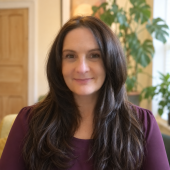
Samantha Coleman
Therapist, MBACP Prof Dip
Experiences of domestic abuse or violence can leave deep emotional and psychological effects, including fear, shame, confusion, self-doubt, hypervigilance, and difficulty trusting yourself or others. Abuse often distorts your sense of reality, safety, and self-worth. My approach is gentle, validating, and trauma-informed. I aim to help you make sense of what you have lived through, reconnect with yourself, and regain a greater sense of stability, agency, and trust in your own perceptions.
13 Years Experience
Online in Ipswich, England

Domestic Abuse
Nadia Zamzul
Registered Psychotherapist, R.P., LL.M
I support individuals who have experienced domestic abuse in rebuilding safety, autonomy, and self-trust. Therapy focuses on processing the impact of abuse, strengthening boundaries, and helping you move forward with clarity and support.
5 Years Experience
Online in Ipswich, England (Online Only)
Domestic Abuse therapists in Ipswich, England Statistics
Domestic Abuse therapists in Ipswich, England average 16 years of experience and charge around ¤136 per session. 100% offer online sessions. The top treatment approaches are Cognitive Behavioral Therapy (CBT) (59%), Person-Centered Therapy (Rogerian) (59%), and Integrative Therapy (49%).
Average years in practice
16 Years Experience
Average cost per session
¤136
Accept insurance
43%
Offer sliding scale
65%
Gender ID
| 68% |
Female |
|
| 26% |
Male |
|
| 3% |
Gender Fluid |
|
| 3% |
Non-Binary |
|
Session Type
| 65% |
In Person and Online |
|
| 35% |
Online Only |
|
Top Treatment Approaches
| 59% | Cognitive Behavioral Therapy (CBT) |
| 59% | Person-Centered Therapy (Rogerian) |
| 49% | Integrative Therapy |
| 41% | Psychodynamic Therapy |
| 35% | Existential / Humanistic Therapy |
| 30% | Interpersonal Therapy (IPT) |
| 30% | Multicultural Therapy |
Ages Served
| 100% | Adult |
| 76% | Young Adult |
| 68% | Senior |
| 59% | Teen |
| 27% | Children |
Client Focus
| 76% | Women |
| 59% | LGBTQ+ |
| 51% | Men |
| 46% | Persons with Disabilities |
| 38% | Black / African American |