Suicidal Thoughts therapists in Selkirk, MB
Browse Suicidal Thoughts therapists in Selkirk, Manitoba, Canada. Compare credentials, specialties and therapeutic approach. Contact a therapist to learn more.
View nearby cities

Suicidal
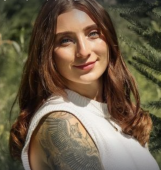
Kayla Schofield
Registered Psychotherapist, RP
Suicidal thought (SI) is a broad term relating to people wishing, wanting to end their life. Life events, trauma, heavy emoitons can be too painful leading to solutions to fix this.
6 Years Experience
Online in Selkirk, MB
Suicidal
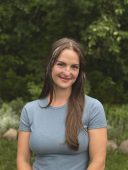
Havenwood Psychotherapy
Registered Psychotherapist, Registered Psychotherapist
If you're experiencing suicidal thoughts, you don't have to carry them alone. Therapy can provide a compassionate, non-judgmental space to talk honestly about what you're experiencing and develop support and strategies for getting through moments when things feel overwhelming.
Taylor offers a warm, trauma-informed space where difficult emotions can be explored without shame or judgment. Taylor's full bio: https://www.havenwoodpsych.com/taylor-davis
5 Years Experience
Online in Selkirk, MB (Online Only)
Suicidal
Halyna Polityka
Registered Psychotherapist, RP, MEd
Suicidal thoughts can be very scary. Therapy is your space to make them less so. Let's understand where they are coming from and what you need for yourself.
10 Years Experience
Online in Selkirk, MB (Online Only)

Suicidal
Barbara (Barchi) Fojkar
Counsellor/Therapist, Registered Clinical Counsellor, Clinical Hypnotherapist, CCC
When life feels unbearable, suicidal thoughts can sometimes emerge as a response to overwhelming emotional pain. I offer a compassionate, non-judgmental space where these experiences can be spoken about openly and taken seriously. My background includes suicide intervention and prevention training and experience with Crisis Centre BC. Together, we can focus on safety, support, and understanding what you need to move through this difficult time.
3 Years Experience
Online in Selkirk, MB

Suicidal
Sanofer Ansari
Licensed Mental Health Counsellor, MACP
Approach: Trauma-informed, collaborative, safety-focused and emotion-focused therapy.
I provide a non-judgmental space for clients to talk openly about suicidal thoughts while prioritizing safety. Assessment, safety planning, strengthening protective factors, coping strategies, and appropriate collaboration with medical or crisis services are central when risk is present.
7 Years Experience
Online in Selkirk, MB
Suicidal Thoughts therapists in Selkirk, MB Statistics
Suicidal Thoughts therapists in Selkirk, MB average 11 years of experience and charge around $161 per session. 100% offer online sessions. The top treatment approaches are Cognitive Behavioral Therapy (CBT) (79%), Internal Family Systems (IFS) (68%), and Narrative Therapy (68%).
Average years in practice
11 Years Experience
Average cost per session
$161
Accept insurance
68%
Offer sliding scale
58%
Gender ID
| 56% |
Female |
|
| 28% |
Male |
|
| 8% |
Gender Fluid |
|
| 8% |
Non-Binary |
|
Session Type
| 68% |
In Person and Online |
|
| 32% |
Online Only |
|
Top Treatment Approaches
| 79% | Cognitive Behavioral Therapy (CBT) |
| 68% | Internal Family Systems (IFS) |
| 68% | Narrative Therapy |
| 68% | Solution-Focused Brief Therapy (SFBT) |
| 63% | Emotionally Focused Therapy (EFT) |
| 58% | Dialectical Behavior Therapy (DBT) |
| 58% | Person-Centered Therapy (Rogerian) |
Ages Served
| 100% | Adult |
| 89% | Senior |
| 84% | Young Adult |
| 79% | Teen |
| 37% | Children |
Client Focus
| 68% | Persons with Disabilities |
| 68% | Women |
| 63% | Men |
| 53% | LGBTQ+ |
| 53% | Military / Veterans |