Stopping Smoking therapists in Baltimore, MD
Browse Stopping Smoking therapists in Baltimore, Maryland. Compare credentials, specialties and therapeutic approach. Contact a therapist to learn more.
Smoking
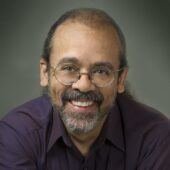
Eric Weinstein
Life Coach, Hypnosis and NLP, shamanic healing, Energy Psychology (including "tapping"), Voice Dialogue
Smoking is personal to me. I grew up with a father who smoked until he had a triple bypass. And even then, I had to hold up a mirror so he could see where his chest had been sawed open before he stopped asking for cigarettes.
I offer a money-back stop-smoking program based on hypnosis and energy psychology. It’s $599 for four sessions – paid up front (unless you can’t afford that). If you smoke a pack a day, you’ll break even in four months. By the end of a year, you’ll be up $1200. More importantly, you’ll be a different person.
This might be a bold statement, but my program is not just about stopping a bad habit – it’s about replacing it with a good one. For most smokers, smoking is not “just” a habit or an addiction, it’s an emotional coping mechanism. You’re anxious, you need a smoke. You’re angry, you need a smoke. You’re bored, you need a smoke. Those emotions and triggers don’t go away when you stop smoking.
But when you replace a cigarette with a short walk or a 5-minute meditation or a 3-minute energy psychology “tapping sequence” that addresses the emotional need, you diminish the emotional need. You learn new and healthy ways to cope. You actually become less anxious or angry and more aware of what you really need to do to have a better life.
So I invite you to call me and get started. You’ll breathe easier, and so will the people around you.
19 Years Experience
In-Person Near Baltimore, MD
Online in Baltimore, MD
Smoking
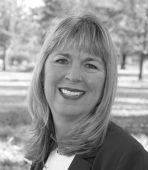
Jennifer L Abel
Psychologist, Ph.D.
I do not do hypnosis. It's popular, but only about 15% of people quit this way. What I do is right around 50% effective: Stimulus control plus the patch. This combination helps with the both the habit and the nicotine addiction. Stimulus control involves assessing which stimuli trigger a smoke (alcohol, coffee, after dinner, in your car) and using that information to break the connection. Plus there's a few other tricks up my sleeve including, but not limited to, relaxation and acceptance strategies.
30 Years Experience
Online in Baltimore, MD (Online Only)

Smoking
Kimberlee Zetocha Halverson
Psychologist, Ph.D, LP
I have extensive training and experience with behavior modification therapy. I start with learning what purpose or function the behaviors serve. Next, we explore if there is a healthier alternative, discover the root cause of the behavior, and/or focus on habit reduction and eventually elimination. I studied and researched self-control across my graduate training for children and adults.
17 Years Experience
Online in Baltimore, MD (Online Only)
Smoking
Siddharth Arora
Psychiatrist, DO, MS
Quitting smoking is difficult, especially when paired with conditions like anxiety or depression. We provide medication-assisted support for smoking cessation, including nicotine replacement strategies, bupropion, and varenicline, tailored to each patient’s psychiatric profile. Our approach integrates mental health care and addiction treatment to improve long-term success and reduce relapse risk.
10 Years Experience
Online in Baltimore, MD

Smoking
Center for Cognitive Behavioral Therapy and Mindfulness
Psychologist, PhD, JD
Not all therapists provide evidence-based therapies, and not all therapists who claim to provide CBT are specially trained in this approach. The Center for Cognitive Behavioral Therapy and Mindfulness team consists of doctoral-level clinicians who are highly trained experts in cognitive behavioral therapies.
We are also trained in tailoring your treatment to your individual needs, so you can be sure you are receiving highly individualized care while also benefiting from the techniques that are proven to work.
5 Years Experience
Online in Baltimore, MD (Online Only)
Stopping Smoking therapists in Baltimore, MD Statistics
Stopping Smoking therapists in Baltimore, MD average 16 years of experience and charge around $225 per session. 100% offer online sessions. The top treatment approaches are Cognitive Behavioral Therapy (CBT) (50%), Behavioral Therapy (38%), and Hypnotherapy (38%).
Average years in practice
16 Years Experience
Average cost per session
$225
Accept insurance
29%
Offer sliding scale
38%
Gender ID
| 64% |
Female |
|
| 33% |
Male |
|
| 3% |
Non-Binary |
|
Session Type
| 62% |
Online Only |
|
| 38% |
In Person and Online |
|
Top Treatment Approaches
| 50% | Cognitive Behavioral Therapy (CBT) |
| 38% | Behavioral Therapy |
| 38% | Hypnotherapy |
| 29% | Biopsychosocial Therapy |
| 29% | Solution-Focused Brief Therapy (SFBT) |
| 25% | Compassion-Focused Therapy (CFT) |
| 25% | Emotionally Focused Therapy (EFT) |
Ages Served
| 96% | Adult |
| 83% | Young Adult |
| 71% | Senior |
| 46% | Teen |
| 33% | Children |
Client Focus
| 46% | Military / Veterans |
| 46% | Persons with Disabilities |
| 46% | Women |
| 42% | LGBTQ+ |
| 38% | Christian |