Loss or Grief therapists in East Lismore, NSW
Browse Loss or Grief therapists in East Lismore, New South Wales, Australia. Compare credentials, specialties and therapeutic approach. Contact a therapist to learn more.
Grief
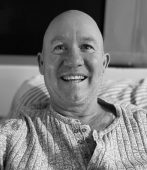
Scott Stalley Realistic Counselling
Counsellor/Therapist, GradDipBA, GradDipMgmt(Learning), AdvDipOHS, DipCouns, DipQA, CertIV TAE
Grief is deeply personal and doesn’t follow a timeline. I offer a compassionate space where you can express your emotions freely and make sense of your loss.
Together, we explore your grief, honour your connection, and help you find a way forward that feels gentle and meaningful.
5 Years Experience
Online in East Lismore, NSW
Grief
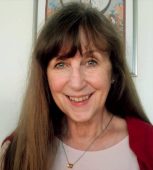
Adima Hawkes
Counsellor/Therapist, Psychotherapist, Spiritual Teacher, Gene Keys Guide, Trainer Tibetan Acupressure & Iridology
With a background of profound studies in the Tibetan BARDO, and quite a few experiences of accompanying the dying since my childhood and youth, I am experienced in holding space for people during times of grief. I offer both: company during the dying process to the dying person and company to the people remaining. Loss and grief are radical and deeply revealing teachers. Being in touch with the wounding and finding gentle and patient ways to breathe through this will open the door. There are in fact infinite doors into the light.
30 Years Experience
Online in East Lismore, NSW
Grief
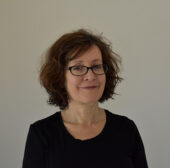
Ms Charlie Stansfield
Licensed Psychoanalyst, Psychotherapist, Psychoanalyst.
Loss or grief is the kind of universal experience that can be helped by empathic understanding from another. Psychotherapy and of course, other close, intimate connections, can provide that place of understanding.
28 Years Experience
Online in East Lismore, NSW

Grief
Mind Health
Psychologist, Psychologists & Allied Health Experts
Grieving the loss of a loved one is an intensely personal journey, often accompanied by a complex array of emotions. At Mind Health, our compassionate clinicians provide tailored support to help individuals navigate the bereavement and grieving process. Utilising evidence-based therapies, we assist clients in processing their loss, developing coping strategies, and finding a path toward healing and renewed purpose. Our goal is to create a safe and supportive environment where individuals can explore their feelings and work toward emotional well-being.
22 Years Experience
Online in East Lismore, NSW

Grief
Michael Elwan
Registered Social Worker, PhD Candidate (Mental Health), MSW, GradCertMH, DipPsych, MBA
Loss takes many forms: death, suicide bereavement, the loss of a parent or sibling, caregiver grief, and the quieter losses of health, identity, and direction. I work with both recent and long-held grief, including losses that were never fully acknowledged. The work is unhurried. It does not move you through stages; it makes room for the loss to sit alongside the rest of your life without overwhelming it.
6 Years Experience
Online in East Lismore, NSW (Online Only)
Loss or Grief therapists in East Lismore, NSW Statistics
Loss or Grief therapists in East Lismore, NSW average 14 years of experience and charge around $175 per session. 100% offer online sessions. The top treatment approaches are Cognitive Behavioral Therapy (CBT) (61%), Person-Centered Therapy (Rogerian) (57%), and Interpersonal Therapy (IPT) (43%).
Average years in practice
14 Years Experience
Average cost per session
$175
Accept insurance
49%
Offer sliding scale
57%
Gender ID
| 59% |
Female |
|
| 37% |
Male |
|
| 3% |
Gender Fluid |
|
| 1% |
Non-Binary |
|
Session Type
| 75% |
In Person and Online |
|
| 25% |
Online Only |
|
Top Treatment Approaches
| 61% | Cognitive Behavioral Therapy (CBT) |
| 57% | Person-Centered Therapy (Rogerian) |
| 43% | Interpersonal Therapy (IPT) |
| 43% | Solution-Focused Brief Therapy (SFBT) |
| 41% | Acceptance & Commitment Therapy (ACT) |
| 39% | Emotionally Focused Therapy (EFT) |
| 38% | Existential / Humanistic Therapy |
Ages Served
| 95% | Adult |
| 70% | Senior |
| 69% | Young Adult |
| 43% | Teen |
| 25% | Children |
Client Focus
| 62% | Women |
| 56% | Men |
| 51% | LGBTQ+ |
| 43% | Persons with Disabilities |
| 34% | Middle Eastern |