Addictions therapists in Lambton Shores, ON
Browse Addictions therapists in Lambton Shores, Ontario, Canada. Compare credentials, specialties and therapeutic approach. Contact a therapist to learn more.
Substance Abuse
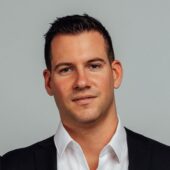
Steve Rose
Counsellor/Therapist, PhD, MA, BA, CGC (CCPC Global)
As an addiction counsellor, I help persons struggling with alcohol, substances, gambling, and internet addiction. By delving into the underlying causes driving the addiction, we explore ways to regain a sense of control, build self-esteem, repair relationships, and gain a sense of meaning and purpose.
7 Years Experience
Online in Lambton Shores, ON (Online Only)
Substance Abuse
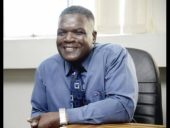
Dr Calvin Young
Counsellor/Therapist, PhD, LCPC
I hold graduate-level credentials in addiction. My work with substance use and addiction disorders has been shaped by experiences as an inpatient clinician, and as a lecturer in substance abuse counseling.
30 Years Experience
Online in Lambton Shores, ON (Online Only)
Substance Abuse
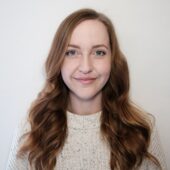
Melissa Letourneau
Registered Psychotherapist, RP
Addiction is a multifaceted challenge, and understanding its roots is key to recovery. While I do not offer therapy sessions for addiction, we have several addiction specialists at Psychotherapy Collective who are available to schedule a free 15-minute consultation with you to ensure they are the proper fit for your journey. Visit our profiles at https://www.psychotherapycollective.ca/our-team
9 Years Experience
Online in Lambton Shores, ON
Substance Abuse
Mind By Design®
Registered Psychotherapist, Psychology and Coaching Clinics
The constant use of some sort of “intervention” (be it drugs, alcohol, gambling, etc.) to look outside of oneself or feel better when life gets out of control. The problem is that even though these “interventions” might work in the short-term they do not help in the long-term, and usually make life spin further out of control. Psychotherapy and rehabilitation are used to help a person wine off of the aforementioned “interventions.”
17 Years Experience
Online in Lambton Shores, ON

Substance Abuse
Corrine Wilde, Wilde Psychotherapy
Registered Psychotherapist, RP
I can support you in your endeavours to deal with your alcohol, drug or gambling addiction. Sometimes the harm reduction approach is possible, abstinence may be your goal. I work with either approach. No matter what stage of change you are at, support and psychotherapy to maintain your commitment and move forward in your life is possible. Don't let relapse stop you in your determination to have a fuller and more joyous life.
23 Years Experience
Online in Lambton Shores, ON
Addictions therapists in Lambton Shores, ON Statistics
Addictions therapists in Lambton Shores, ON average 12 years of experience and charge around $179 per session. 100% offer online sessions. The top treatment approaches are Cognitive Behavioral Therapy (CBT) (80%), Emotionally Focused Therapy (EFT) (65%), and Solution-Focused Brief Therapy (SFBT) (60%).
Average years in practice
12 Years Experience
Average cost per session
$179
Accept insurance
83%
Offer sliding scale
72%
Gender ID
| 63% |
Female |
|
| 34% |
Male |
|
| 2% |
Non-Binary |
|
| 1% |
Gender Fluid |
|
Session Type
| 68% |
In Person and Online |
|
| 32% |
Online Only |
|
Top Treatment Approaches
| 80% | Cognitive Behavioral Therapy (CBT) |
| 65% | Emotionally Focused Therapy (EFT) |
| 60% | Solution-Focused Brief Therapy (SFBT) |
| 58% | Dialectical Behavior Therapy (DBT) |
| 51% | Person-Centered Therapy (Rogerian) |
| 46% | Narrative Therapy |
| 39% | Compassion-Focused Therapy (CFT) |
Ages Served
| 100% | Adult |
| 74% | Young Adult |
| 71% | Teen |
| 69% | Senior |
| 30% | Children |
Client Focus
| 58% | Men |
| 56% | Women |
| 44% | LGBTQ+ |
| 35% | Christian |
| 35% | Military / Veterans |