Trauma and PTSD therapists in Hood River, OR
Find experienced trauma and PTSD therapists in Hood River, Oregon who provide testing, evidence-based treatment for trauma, post-traumatic stress disorder, and related challenges such as anxiety, depression, and stress. Compare detailed therapist profiles and connect with a provider that’s right for you.
View nearby cities
PTSD/Trauma
Mountain Crest Counseling Services, LLC
Counselor/Therapist, LPC, LCSW, and Register Associates
Traumatic experiences can continue to affect you long after the event itself has passed. You may experience anxiety, intrusive memories, emotional numbness, difficulty trusting others, sleep challenges, heightened alertness, or a sense that you’re always waiting for something to go wrong. You don’t have to navigate these experiences alone. Therapy can provide a safe, supportive, and nonjudgmental space to begin understanding what you’ve been through.
Outpatient therapy can help you process the impact of trauma, recognize triggers and patterns, develop grounding and coping skills, and work toward greater emotional safety and stability. Whether you are coping with PTSD, a recent traumatic experience, or the lasting effects of past trauma, therapy can support you at a pace that respects your experiences and your readiness. Healing doesn’t mean forgetting what happened—it means building a life in which the past has less power over your present.
12 Years Experience
Online in Hood River, OR

PTSD/Trauma
Will Howell
Counselor/Therapist, MA, LPC, CCTP
C-PTSD, also known as complex trauma, stems from deep childhood wounds or circumstances that build up over time. Examples are: Parental neglect, bullying, emotional, physical or sexual abuse, highly critical parents, abusive relationships, environments that are unhealthy (ACEs) that lead to some of the following when we become adults: negative concept of self, emotional dysregulation, interpersonal disturbances, issues with trust, dissociation, avoidance, frequent perceptions of being under threat, re-experiencing of symptoms such as often feeling overwhelmed or shut down. We might cope with these traumas by numbing, suppressing, lashing out, isolating, over-functioning, avoiding, fawning (people pleasing, masking or being like a Chameleon) and our sense of secure attachment and safety can feel fleeting.
My approach to trauma is to create conditions of safety and trust. Slow is fast, which means patience with the process can be hard but necessary. By healing our nervous system, integrating somatic work with emotional regulation skills, and gaining insight into our wounds and strengths, we can expand what is called our window of tolerance. This means increasing our ability to relate to triggers more mindfully and to have the awareness of what state we are operating from as well as the skills to move into safety in healthy (non destructive/sabotaging) ways. By expanding our window of tolerance (where we feel safe, curious, connected, confident, creative), we can spend less time in fight or flight (anxiety/fear) or shut down (collapse, depressed) and more time feeling present, resilient and authentic.
6 Years Experience
Online in Hood River, OR (Online Only)

PTSD/Trauma
Michael Pollet
Registered Social Worker, CSWA
The way that a person has learned to protect themself self from a traumatic event develops into a part of their character in adult life. I am trained to help you understand all of your parts and show you that the scary experience is over. I will help you truly feel that you got through it and you can protect yourself if you need to!
2 Years Experience
Online in Hood River, OR
PTSD/Trauma
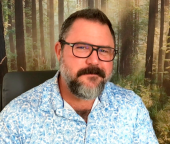
Gary D. Alexander
Marriage and Family Therapist, MS, MFT, NCC
Trauma can leave deep emotional and physiological imprints, often appearing as anxiety, intrusive memories, emotional numbness, or a persistent sense of being on guard. Post-Traumatic Stress Disorder (PTSD) is commonly associated with a single overwhelming event such as an accident, assault, or other life-threatening experience. Complex Post-Traumatic Stress Disorder (CPTSD), by contrast, often develops through repeated or long-term relational trauma—such as chronic emotional abuse, neglect, or unstable early environments—and can profoundly affect a person’s sense of identity, emotional regulation, and ability to feel safe in relationships.
In therapy we explore both the impact of these experiences and the ways the mind and body have learned to adapt in order to survive them. Rather than viewing trauma responses simply as symptoms to eliminate, our work approaches them as meaningful signals about what you have endured and how your nervous system has tried to protect you. As understanding deepens within the safety of the therapeutic relationship, many people begin to experience greater stability, renewed self-trust, and a gradual return of vitality in their lives.
23 Years Experience
Online in Hood River, OR

PTSD/Trauma
Brian Jones
Licensed Mental Health Counselor, MEd, LMHC, LPC
I specifically focus on people with religious trauma. You might not have thought about your trauma as religious. But did you have a tough time growing up in a strict church environment? So did I. Maybe you didn't even realize the effect it had on you until much later in life.
I use Internal Family Systems therapy, which is an approach used specifically for trauma. However, it is not a PTSD approach. If you suffer from severe PTSD symptoms, I'm probably not the right fit for you. If you're not sure, schedule a free consultation. I can provide you with referrals to PTSD specialists if we decide that's appropriate.
9 Years Experience
Online in Hood River, OR
Trauma and PTSD therapists in Hood River, OR Statistics
Trauma and PTSD therapists in Hood River, OR average 14 years of experience and charge around $193 per session. 100% offer online sessions. The top treatment approaches are Cognitive Behavioral Therapy (CBT) (57%), Internal Family Systems (IFS) (41%), and Psychodynamic Therapy (38%).
Average years in practice
14 Years Experience
Average cost per session
$193
Accept insurance
48%
Offer sliding scale
52%
Gender ID
| 61% |
Female |
|
| 27% |
Male |
|
| 7% |
Non-Binary |
|
| 5% |
Gender Fluid |
|
Session Type
| 51% |
In Person and Online |
|
| 49% |
Online Only |
|
Top Treatment Approaches
| 57% | Cognitive Behavioral Therapy (CBT) |
| 41% | Internal Family Systems (IFS) |
| 38% | Psychodynamic Therapy |
| 33% | Somatic Therapy |
| 30% | Eye Movement Desensitization and Reprocessing (EMDR) |
| 29% | Dialectical Behavior Therapy (DBT) |
| 27% | Person-Centered Therapy (Rogerian) |
Ages Served
| 98% | Adult |
| 65% | Young Adult |
| 54% | Senior |
| 38% | Teen |
| 17% | Children |
Client Focus
| 63% | Women |
| 59% | LGBTQ+ |
| 37% | Buddhist |
| 35% | Hispanic / Latino |
| 33% | Christian |