Trauma and PTSD therapists in Isle of Lewis, Scotland
Find experienced trauma and PTSD therapists in Isle of Lewis, Scotland, United Kingdom who provide testing, evidence-based treatment for trauma, post-traumatic stress disorder, and related challenges such as anxiety, depression, and stress. Compare detailed therapist profiles and connect with a provider that’s right for you.

PTSD/Trauma
Dr George Booty. The PsychoTRAUMA Clinic (Convergence College of Psychotherapy)
Registered Psychotherapist, Dr, DPsych, MA Couns, MA Psych, PG Dip Spvn
I am a psychotraumatologist and deal with Many people suffering PTSD C-PTSD, etc and have written extensively on this subject and teach in College too.
31 Years Experience
Online in Isle of Lewis, Scotland

PTSD/Trauma
Kamran Bedi
Therapist, Advanced Anxiety/PTSD treatment and Confidence building. Fast results. IEMT/EMDR, NLP, Hypnotherapy.
I have years of experience working with trauma and PTSD. Utilising IEMT can help change painful feelings and memories and quickly.
13 Years Experience
Online in Isle of Lewis, Scotland

PTSD/Trauma
Kylie Feller
Licensed Professional Counsellor, MA, CCC
I use internal famoky systems therapy to help people heal trauma. This is an empirically validated approach to help not just with trauma but also a number of other mental health struggles such as addiction, anxiety, depression, and self-worth. It helps people heal by connected to and experiencing ones true self. This is a very experiential approach that is provides people with the space to do deep healing work.
10 Years Experience
Online in Isle of Lewis, Scotland (Online Only)

PTSD/Trauma
Alexandra Perry
Counsellor/Therapist, N.C.F.E diploma in Counselling, B.A.C.P. registered, Cruse accredited,
I have much experience with PTSD which can impinge in our lives in not just the obvious ways. Many traumas can remain unprocessed within our subconscious. This can leave us with scary side effects .There are many useful coping strategies, normalizing information which can help.
20 Years Experience
Online in Isle of Lewis, Scotland
PTSD/Trauma
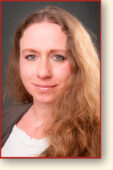
Dr. Birte Nachtwey
Registered Psychotherapist, MD, CORST
Trauma and PTSD are more common than many people think. Terrifying events like accidents or war can cause this. Sexual or emotional abuse are a common causes. It can be a single event or something ongoing over many years to the point that is feels like a normality in which you are trapped. Many victims feel guilt and shame. Some memories are completely blanked out by the brain for many years and come back suddenly, triggered by something, or slowly, sometimes in caareful therapy. Symptoms can be dissociation (part of you goes away), flashbacks (intrusive memories),repeated nightmares, numbness and/or increased anxiety, avoidance (f.ex. of sex, relationships), negative thoughts and moods and altered physical and emotional reactions and behavior..
If you have encountered this and think you may be affected please get help. It is understandable that you don’t feel like dealing with it and want to just push it aside and have nothing to do with it ever again, but if this hasn’t worked too well and it burdens areas of your life like your sex life and your relationship, it is advisable to address this in therapy. You can get help and heal.
19 Years Experience
Online in Isle of Lewis, Scotland
Trauma and PTSD therapists in Isle of Lewis, Scotland Statistics
Trauma and PTSD therapists in Isle of Lewis, Scotland average 15 years of experience and charge around ¤136 per session. 100% offer online sessions. The top treatment approaches are Integrative Therapy (56%), Cognitive Behavioral Therapy (CBT) (51%), and Person-Centered Therapy (Rogerian) (49%).
Average years in practice
15 Years Experience
Average cost per session
¤136
Accept insurance
39%
Offer sliding scale
47%
Gender ID
| 70% |
Female |
|
| 26% |
Male |
|
| 2% |
Gender Fluid |
|
| 2% |
Non-Binary |
|
Session Type
| 66% |
In Person and Online |
|
| 34% |
Online Only |
|
Top Treatment Approaches
| 56% | Integrative Therapy |
| 51% | Cognitive Behavioral Therapy (CBT) |
| 49% | Person-Centered Therapy (Rogerian) |
| 38% | Somatic Therapy |
| 34% | Behavioral Therapy |
| 34% | Existential / Humanistic Therapy |
| 32% | Solution-Focused Brief Therapy (SFBT) |
Ages Served
| 99% | Adult |
| 65% | Young Adult |
| 54% | Teen |
| 52% | Senior |
| 23% | Children |
Client Focus
| 67% | Women |
| 52% | Men |
| 48% | LGBTQ+ |
| 37% | Persons with Disabilities |
| 33% | Christian |