Anxiety therapists in Inverurie, Scotland
Browse Anxiety therapists in Inverurie, Scotland, United Kingdom. Compare credentials, specialties and therapeutic approach. Contact a therapist to learn more.
View nearby cities
Anxiety
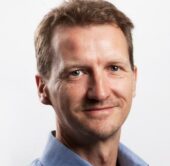
Kyle Davies
Psychologist, BSc MPhil CPsychol AFBPsS
For people who have never suffered from anxiety it is almost impossible to describe how debilitating the symptoms can be. It can seem as if there is no escape from the pain and discomfort; it feels like life will be like this forever and that the symptoms can’t be helped.
Conventional approaches to anxiety seek to medicate. Many physicians may tell you that your anxiety is something you just have to live with. Counseling or mainstream psychological approaches may have you manipulate or change your thought patterns, while alternative practices may seek to have you relax or practice mindfulness. While there is value in some of these approaches, most fail to reach that deeper understanding of the underlying cause of anxiety and panic.
Symptoms of anxiety and panic are not the same as emotions of fear – these include worry, nervous, apprehension, concern, etc.
In everyday life we tend to talk about anxiety symptoms and conditions as being the same as emotions of fear, nervousness and worry. This is confusing for the simple reason that anxiety symptoms are not merely amplified fear, even though this can be what they feel like in many instances.
Anxiety is something of an umbrella term that covers quite a wide range of symptoms and experiences. In some instances this symptoms and conditions might relate to emotions of fear but in other instances they do not.
This is why it is entirely possible to rid ourselves of anxiety symptoms whereas we cannot, and should not try to rid ourselves of healthy emotions, because they play a vital feedback role in our day to day experience of life.
These are the anxiety conditions:
- anxious apprehension (worry, rumination)
- generalised anxiety disorder (free floating anxiety)
- Intense anxiety and panic attacks
- obsessive compulsive disorder (OCD)
- phobias of all kinds including agoraphobia and social phobia
- eating disorders
- derealisation
- depersonalisation
There is an enormous amount of scientific evidence to show that various regions of the brain are either over active or dysfunctional when anxiety symptoms are present. One of the most salient issues pertaining to this kind of scientific research is that different types of anxiety symptoms correspond with different areas of brain dysfunction.The forebrain appears to be the area most affected in most anxiety disorders. This is the largest portion of the brain and includes the cerebral hemispheres, the limbic system, the thalamus and hypothalamus, amygdala and the corpus callosum.
Each of the brain hemispheres is divided into four lobes: frontal, parietal, occipital and temporal. Collectively, the forebrain functions to control cognitive, sensory and motor function, regulate temperature, reproductive functions, eating, sleeping and the display of emotions. When it becomes dysfunctional it is evident that the range of symptoms can be enormous.Recent studies using electroencephalographic (EEG) methods have found that patients diagnosed with generalized anxiety disorder and obsessive-compulsive disorder had heightened activity in the left brain regions, whereas patients with panic disorder, panic symptoms or those subjected to high stress situations exhibited enhanced activity in the right hemisphere.
The important lesson from this type of research is that anxiety conditions are not all the same and therefore each case needs to be approached and treated depending on the needs of the individual and the types of symptoms present. However, we must also be mindful that over activity or dysfunction in brain regions is not the cause of anxiety – rather this activity is caused and supported by the 4 core element model outlined below. It is these 4 Anchors that trigger brain dysfunction, and it is only by fully addressing these that a complete cessation of symptoms is achieved.
The first step is to understand the nature, structure and cause of anxiety, and then we can begin to address the cause of the symptoms. Within our culture we use the words ‘anxious’ and ‘anxiety’ to mean both the emotion of fear and a varied and debilitating set of symptoms. This can be extremely confusing since fear, in the form of worry, nervous, scared, or dread, is often very different from the symptoms of anxiety or a panic disorder. I would argue that even though many anxiety symptoms can feel like fear, it’s also the case that many anxiety and panic symptoms do not feel like fear (see Anxiety Symptoms Checklist below). This means that is possible to experience anxiety symptoms without being afraid of anything.
Even though anxiety can be related to the emotion of fear at a deep unconscious level, there are many instances when symptoms of anxiety are present and there is no evidence of the emotion of fear. Most sufferers of anxiety will experience fear about the symptoms; though fear of symptoms is not the cause of symptoms. Fear can exacerbate symptoms and make sufferers of anxietyfeel significantly worse; however it is rarely, if ever, the underlying cause.
So what causes anxiety symptoms? The first step is to embrace the notion that symptoms are feedback from body and brain. Symptoms are not some nasty evil invader trying to make us suffer, they have reason for existing and that reason is to let us know that something is not right, something is blocked and out of balance.
There are Four Core Elements that lock anxiety symptoms in place. When we address these four core elements, we not only banish anxiety symptoms, we open up to the possibility of experiencing ourselves in a whole new way. The 4 core energy-flow model comprises:
- FEAR & AVOIDANCE OF SYMPTOMS. Anxiety is deeply uncomfortable so it can be a natural reaction to avoid situations and events that seem to cause anxiety. Avoidance can lead to more symptoms, so carefully navigating through this is the first step.
- REWIRING THE EMOTIONAL SYSTEM. Our emotion has a massive impact on body and brain. Blockages and imbalances within the emotional system are significant causes and contributors to anxiety conditions as well as a huge range of other chronic health challenges. Yet, our understanding of the nature of emotion and how to effectively process and regulate it remain poor. This element focuses in revealing the true nature of emotion and critically how to connect with it and facilitate a flow.
- WEARING A MASK: As we move through life and seek to get along, fit in, be accepted and do well, we unconsciously block our true nature and end up being more of who we are not than who we are. Anxiety symptoms often tell us when we are covering up who we are, or are disconnected from our authentic core. Reconnecting with our core and removing the shackles of who we used to be takes us a step closer to being anxiety free.
- CONTROL & CREATION: Whether we like it or not, we play a significant role in the creation of our experience of life and reality. However, when shackled with anxiety we feel out of control, restricted as if we have lost our freedom. Learning how to create inner freedom and design our lives is the final piece of the puzzle.
The four core element model uncovers a different perspective on the cause of anxiety conditions and embraces a full understanding of the nature of the human condition. It puts you back in the driver’s seat to return to your natural healthy self. Your natural state is to be connected and happy; all that’s needed is a little guidance to help you find the way back to your default setting.
27 Years Experience
Online in Inverurie, Scotland
Anxiety
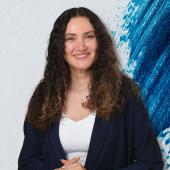
Samira Gholami
Counsellor/Therapist, Registered Therapeutic Counsellor
Does worry seem to follow you everywhere, even when things appear to be going well? Perhaps you find yourself anticipating the worst, second-guessing your decisions, or feeling physically tense and emotionally exhausted. Anxiety and fear can make it difficult to relax, trust yourself, maintain relationships, or fully enjoy the present moment. Sometimes, the pressure to meet family, cultural, or personal expectations can make these feelings even more overwhelming.
As a Registered Therapeutic Counsellor (RTC), I offer compassionate, affordable counselling to help you understand and navigate anxiety in a supportive, non-judgmental environment. Drawing from Cognitive Behavioural Therapy (CBT), person-centred counselling, and trauma-informed principles, I work collaboratively with you to explore the thoughts, experiences, and emotional patterns that may be contributing to your distress.
Together, we can develop practical strategies for managing excessive worry, navigating uncertainty, strengthening emotional regulation, and responding to stressful situations with greater confidence. My culturally responsive approach also recognizes that anxiety can be influenced by family relationships, past experiences, cultural expectations, and the responsibilities we carry.
You don't have to manage everything on your own or wait until anxiety becomes unbearable before seeking support. I offer counselling in English and Farsi and would welcome the opportunity to help you find greater emotional balance, peace of mind, and confidence in navigating life's uncertainties.
8 Years Experience
Online in Inverurie, Scotland

Anxiety
Donna Collins
Registered Psychotherapist, BSc (hons), PGDip, SupervisionDip
I work in a unique way to help people experiencing anxiety and I have helped many people learn the tools and deep exploration to reduce and overcome symptoms.
11 Years Experience
Online in Inverurie, Scotland
Anxiety
Lakis Elezoglou
Counsellor/Therapist, Life Transitions & Feeling Stuck
Anxiety and fears had been a personal issue for many years. Together, we will navigate the associated emotions and find solutions that will work for you, personally.
6 Years Experience
Online in Inverurie, Scotland (Online Only)

Anxiety
Tayo, Owosina
Registered Psychotherapist, Registered Professional Counsellor
What are your fears? What is the core trigger of your anxiety? Let's talk about anything and everything! In this safe, non judgmental place, you wid yoll be fully heard, accepted and respected. We are holding space for you right here. Let's talk about it.
16 Years Experience
Online in Inverurie, Scotland
Anxiety therapists in Inverurie, Scotland Statistics
Anxiety therapists in Inverurie, Scotland average 14 years of experience and charge around ¤128 per session. 100% offer online sessions. The top treatment approaches are Integrative Therapy (57%), Cognitive Behavioral Therapy (CBT) (51%), and Person-Centered Therapy (Rogerian) (44%).
Average years in practice
14 Years Experience
Average cost per session
¤128
Accept insurance
33%
Offer sliding scale
48%
Gender ID
| 66% |
Female |
|
| 30% |
Male |
|
| 2% |
Gender Fluid |
|
| 2% |
Non-Binary |
|
Session Type
| 62% |
In Person and Online |
|
| 38% |
Online Only |
|
Top Treatment Approaches
| 57% | Integrative Therapy |
| 51% | Cognitive Behavioral Therapy (CBT) |
| 44% | Person-Centered Therapy (Rogerian) |
| 30% | Solution-Focused Brief Therapy (SFBT) |
| 29% | Somatic Therapy |
| 28% | Existential / Humanistic Therapy |
| 28% | Psychodynamic Therapy |
Ages Served
| 99% | Adult |
| 58% | Young Adult |
| 54% | Senior |
| 41% | Teen |
| 20% | Children |
Client Focus
| 63% | Women |
| 49% | Men |
| 40% | LGBTQ+ |
| 34% | Persons with Disabilities |
| 33% | Christian |