Trauma and PTSD therapists in Stirling, Scotland
Find experienced trauma and PTSD therapists in Stirling, Scotland, United Kingdom who provide testing, evidence-based treatment for trauma, post-traumatic stress disorder, and related challenges such as anxiety, depression, and stress. Compare detailed therapist profiles and connect with a provider that’s right for you.
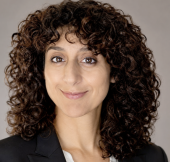
PTSD/Trauma
Claire de la Varre
Therapist, PhD, HGDipP
We all experience trauma of one sort or another, through the experiences of our lives. The effects of trauma may be long-lasting and debilitating, and can include PTSD, depression, anxiety, panic, phobias, difficult personal relationships, poor quality sleep, stress and memory problems. Mind-body therapies help to calm and relax the body, release trauma, and improve sleep. In addition, psychoeducation helps you understand how trauma affects your brain, and get to know yourself, your behaviours, and your motivations better.
18 Years Experience
In-Person Near Stirling, Scotland
Online in Stirling, Scotland

PTSD/Trauma
Birgit Schreiber Dr
Psychologist, PhD and MA in Psychology
Traumatic events can be very difficult to come to terms with, but trying to disentangle and confronting your feelings and getting professional help is often the only way of effectively treating PTSD. Traumata can also be micro-traumata that we need to make sense of.
26 Years Experience
Online in Stirling, Scotland (Online Only)

PTSD/Trauma
Dr. Claire Vines, Psy.D., Psychologist / Licensed /Psychotherapy / Psychoanalytic/
Marriage and Family Therapist, Marriage, Couples, LMFT. Psy.D. Trauma-Focused CBT
Remembering that psychological trauma and secondary trauma are connected to fears, negative attachments of unattended emotional memories of past events, it is important to remind yourself that the trauma is over; you have survived it. Take the time to externalize painful emotions. Re-evaluating and perspective of the past can heal the present, leading to a more positive time for the future.
21 Years Experience
Online in Stirling, Scotland

PTSD/Trauma
Kelly McAleer
Psychologist, Psy.D.
I work with adults experiencing the lasting effects of trauma, including childhood experiences with emotionally immature, unpredictable, or emotionally unavailable caregivers, as well as financial insecurity and instability that shaped an early sense of safety. I also have extensive experience treating PTSD related to specific traumatic events. My approach considers how past experiences continue to influence relationships, self-worth, emotional responses, and a person’s sense of safety in the present.
17 Years Experience
Online in Stirling, Scotland (Online Only)

PTSD/Trauma
Mariana Amat
Psychologist
I work from a trauma-informed and body-centered perspective, helping clients safely process overwhelming experiences while rebuilding a sense of safety and agency. Together, we focus on integration — transforming traumatic memories from sources of pain into part of a coherent and empowered life story.
11 Years Experience
Online in Stirling, Scotland
Trauma and PTSD therapists in Stirling, Scotland Statistics
Trauma and PTSD therapists in Stirling, Scotland average 14 years of experience and charge around ¤135 per session. 100% offer online sessions. The top treatment approaches are Integrative Therapy (55%), Cognitive Behavioral Therapy (CBT) (51%), and Person-Centered Therapy (Rogerian) (49%).
Average years in practice
14 Years Experience
Average cost per session
¤135
Accept insurance
37%
Offer sliding scale
47%
Gender ID
| 68% |
Female |
|
| 28% |
Male |
|
| 2% |
Gender Fluid |
|
| 2% |
Non-Binary |
|
Session Type
| 66% |
In Person and Online |
|
| 34% |
Online Only |
|
Top Treatment Approaches
| 55% | Integrative Therapy |
| 51% | Cognitive Behavioral Therapy (CBT) |
| 49% | Person-Centered Therapy (Rogerian) |
| 39% | Somatic Therapy |
| 31% | Behavioral Therapy |
| 31% | Existential / Humanistic Therapy |
| 30% | Solution-Focused Brief Therapy (SFBT) |
Ages Served
| 99% | Adult |
| 65% | Young Adult |
| 54% | Senior |
| 53% | Teen |
| 22% | Children |
Client Focus
| 66% | Women |
| 51% | Men |
| 48% | LGBTQ+ |
| 35% | Persons with Disabilities |
| 33% | Christian |