Trauma and PTSD therapists in Watertown, South Dakota
Find experienced trauma and PTSD therapists in Watertown, South Dakota who provide testing, evidence-based treatment for trauma, post-traumatic stress disorder, and related challenges such as anxiety, depression, and stress. Compare detailed therapist profiles and connect with a provider that’s right for you.
View nearby cities
PTSD/Trauma
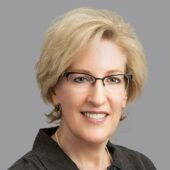
Karen Baumstark, Ph.D.
Psychologist, Ph.D., CMHIMP, CTACC
None of us can escape some level of trauma; inevitably, it will be a part of life. How much it affects us, however, depends on many factors including the nervous system we were born with, our outer resources, and how much relational support we receive to help us recover from the trauma. Many people do not have access to adequate resources to help them recover from trauma (and this is very subjective and personal, varying from person to person), and the trauma continues to affect them in (sometimes subtle, but still) impactful ways. If certain factors come together, PTSD may develop out of trauma. Often clients feel like they have failed because they can't completely "get over" their PTSD reactions. I have often reminded clients that PTSD is "the gift that keeps on giving". It can be very hard, perhaps impossible, to completely eradicate PTSD reactions, because the reaction is not just of the mind, it is of the whole body. My approach to helping clients with trauma and PTSD involves looking at it holistically and working to understand how the trauma changed you, your reaction across many facets of your life (thoughts, feelings, habits, behaviors, self-care or lack thereof, expectations, how you view the world), and then working on replacing what is harmful with what is helpful. The goal isn't to completely get rid of the PTSD symptoms (which is likely impossible) but rather to dramatically reduce its effect on you, so you can live your best life, and so an occasional symptom breaking through will not derail you.
36 Years Experience
Online in Watertown,

PTSD/Trauma
Emily Rowe
Psychologist, Psy.D.
I specialize in working with individuals who have experienced various forms of trauma, including childhood abuse, sexual trauma, religious trauma, and complex PTSD. Trauma can leave you feeling stuck, anxious, or overwhelmed, but healing is possible. Using evidence-based therapies like CBT, DBT, and ACT, I help clients process painful memories, reduce distress, and build resilience. Together, we’ll work on managing the impact of trauma and reclaiming a sense of safety and control in your life.
7 Years Experience
Online in Watertown,

PTSD/Trauma
Gayle MacBride
Psychologist, PhD, LP
Treating trauma has been a specialty of mine for almost 15 years. I mostly use Cognitive Processing Therapy to understand the impact trauma has had on you and your life and then we use skills to address the thoughts that are keeping you stuck in old patterns. We will talk about important themes like safety, trust, power/control, esteem, and intimacy as a part of your trauma patterns. Changing how you think about trauma can help you get unstuck and live in more peaceful ways.
20 Years Experience
Online in Watertown,
PTSD/Trauma
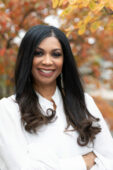
New Leaf Counseling and Wellness
Psychologist
Treating trauma and PTSD requires a comprehensive and compassionate approach that prioritizes safety, trust, and empowerment. Drawing from evidence-based therapies such as cognitive processing therapy, eye movement desensitization and reprocessing (EMDR), and somatic experiencing, I work with clients to process and integrate traumatic memories in a supportive therapeutic environment. Through psychoeducation, skill-building, and experiential techniques, I help clients regain a sense of control over their lives while addressing symptoms such as hypervigilance, flashbacks, and avoidance. My specialized expertise enables me to tailor treatment to each individual's unique needs, fostering healing, resilience, and a renewed sense of hope for the future.
25 Years Experience
Online in Watertown,

PTSD/Trauma
Dr. Jenny Shields
Psychologist
Trauma has a way of rewriting your story without your permission. Even when you tell yourself you’ve moved past it, memories can suddenly feel overwhelming, trust becomes harder, and your mind and body stay on high alert. Dr. Shields understands how exhausting and isolating this experience can be. She provides compassionate, specialized support grounded in highly effective trauma-specific approaches, including Cognitive Processing Therapy (CPT), Prolonged Exposure (PE), and Trauma-Focused Cognitive Behavioral Therapy (TF-CBT). With care, empathy, and patience, she’ll help you rebuild your sense of safety, regain your clarity, and reclaim your story—on your own terms.
12 Years Experience
Online in Watertown,
Trauma and PTSD therapists in Watertown, South Dakota Statistics
Trauma and PTSD therapists in Watertown, South Dakota average 16 years of experience and charge around $217 per session. 100% offer online sessions. The top treatment approaches are Cognitive Behavioral Therapy (CBT) (72%), Acceptance & Commitment Therapy (ACT) (41%), and Psychodynamic Therapy (35%).
Average years in practice
16 Years Experience
Average cost per session
$217
Accept insurance
37%
Offer sliding scale
34%
Gender ID
| 65% |
Female |
|
| 32% |
Male |
|
| 2% |
Non-Binary |
|
| 1% |
Gender Fluid |
|
Session Type
| 54% |
In Person and Online |
|
| 46% |
Online Only |
|
Top Treatment Approaches
| 72% | Cognitive Behavioral Therapy (CBT) |
| 41% | Acceptance & Commitment Therapy (ACT) |
| 35% | Psychodynamic Therapy |
| 28% | Person-Centered Therapy (Rogerian) |
| 28% | Interpersonal Therapy (IPT) |
| 27% | Emotionally Focused Therapy (EFT) |
| 26% | Integrative Therapy |
Ages Served
| 99% | Adult |
| 68% | Young Adult |
| 51% | Senior |
| 37% | Teen |
| 15% | Children |
Client Focus
| 56% | Women |
| 42% | LGBTQ+ |
| 40% | Men |
| 29% | Military / Veterans |
| 24% | Black / African American |