Codependency therapists in Rio Grande City, Texas TX
We are proud to feature top rated Codependency therapists in Rio Grande City. We encourage you to review each profile to find your best match.

Codependency
Heidi Sawyer, LPC & Career Exploration Coach
Licensed Professional Counselor
If you find yourself giving and giving to relationships but not receiving from others or you struggle with boundaries, it may be helpful to discuss in therapy. I work with clients to implement boundaries and self-care to build a healthier foundation for their relationships.
12 Years Experience
Online in Rio Grande City, TX Texas

Codependency
Tracy L. Morris
Marriage and Family Therapist, MS LMFT
My perspective on Codependency is informed by prior years of 12-step recovery work with the addition of more recent advancements in thought around such labels.
11 Years Experience
Online in Rio Grande City, TX Texas

Codependency
Tina Nickels
Licensed Professional Counselor, MS, LPC
Codependency can be a serious problem and a huge distraction. It IS possible to learn to live with another person without controlling or being controlled. We can use CBT, DBT to help you. How free do you want to be?
7 Years Experience
Online in Rio Grande City, TX Texas (Online Only)
Codependency
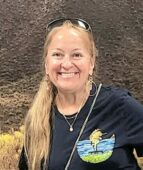
Jamie Heavey
Licensed Professional Counselor, MA, LPC, ATR
As a therapist specializing in codependency, I understand the unique challenges and struggles that can come with this pattern of behavior. Codependency can manifest in many different ways, but it often involves an unhealthy reliance on others for validation and self-worth, a lack of boundaries, and difficulty prioritizing one's own needs and desires.
Through a combination of therapy techniques, I help clients gain a deeper understanding of their codependent patterns and develop new coping skills to break free from these negative patterns. Together, we work to identify the underlying causes of codependency and explore strategies for establishing healthy boundaries, improving self-esteem, and fostering healthy relationships.
Whether you are struggling with codependency in your romantic relationships, family dynamics, or other areas of your life, I provide a safe and non-judgmental space where you can explore your feelings and work towards lasting change. My goal is to help clients build a more fulfilling and authentic life, free from the constraints of codependency.
If you're ready to break free from codependency and build healthy, fulfilling relationships, contact me today to schedule a consultation. Let's work together to help you achieve greater self-awareness, self-compassion, and personal growth.
21 Years Experience
Online in Rio Grande City, TX Texas

Codependency
Dr. Amanda Roberts
Psychologist, PhD Clinical Psychology, Masters in Marriage Family Therapy
Dr Roberts worked in the codependency-family program at Stanford drug and alcohol clinic on an inpatient and outpatient basis through all phases of recovery. She has a thorough understanding of the 12-step program and addictions and has helped hundreds of individuals in early, middle and late stages of recovery stay clean and sober.
41 Years Experience
Online in Rio Grande City, TX Texas (Online Only)
Codependency therapists in Rio Grande City, Texas Statistics
Codependency therapists in Rio Grande City, Texas average 16 years of experience and charge around $179 per session. 100% offer online sessions. The top treatment approaches are Cognitive Behavioral Therapy (CBT) (70%), Person-Centered Therapy (Rogerian) (42%), and Solution-Focused Brief Therapy (SFBT) (41%).
Average years in practice
16 Years Experience
Average cost per session
$179
Accept insurance
47%
Offer sliding scale
47%
Gender ID
| 63% |
Female |
|
| 31% |
Male |
|
| 3% |
Non-Binary |
|
| 3% |
Gender Fluid |
|
Session Type
| 56% |
In Person and Online |
|
| 44% |
Online Only |
|
Top Treatment Approaches
| 70% | Cognitive Behavioral Therapy (CBT) |
| 42% | Person-Centered Therapy (Rogerian) |
| 41% | Solution-Focused Brief Therapy (SFBT) |
| 35% | Behavioral Therapy |
| 34% | Family Systems Therapy |
| 33% | Somatic Therapy |
| 33% | Existential / Humanistic Therapy |
Ages Served
| 98% | Adult |
| 72% | Young Adult |
| 59% | Senior |
| 40% | Teen |
| 20% | Children |
Client Focus
| 60% | Women |
| 46% | LGBTQ+ |
| 44% | Men |
| 32% | Hispanic / Latino |
| 31% | Military / Veterans |