Sleep Disorder therapists in Yorktown, VA
Browse Sleep Disorder therapists in Yorktown, Virginia. Compare credentials, specialties and therapeutic approach. Contact a therapist to learn more.

Sleep Issues
LEGACY MENTAL HEALTH CONSULTING SERVICES
Licensed Clinical Social Worker, LCSW
Legacy Mental Health Consulting Services supports individuals experiencing sleep disorders such as insomnia, disrupted sleep, or anxiety‑related sleep difficulties. We help clients understand underlying patterns, develop healthier routines, and improve sleep quality through evidence‑based strategies.
12 Years Experience
In-Person Near Yorktown, VA
Online in Yorktown, VA
Sleep Issues
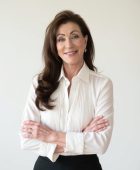
Dr. Linda G. Ritchie, Ph.D.
Psychologist, Ph.D., LPC, LMFT, Certified Hypnotherapist
If you’re struggling with sleep, you may find yourself lying awake at night, watching the clock, and wondering why something that should be natural feels so difficult. You might have trouble falling asleep, staying asleep, or waking up too early and not being able to get back to sleep. Over time, this can leave you feeling exhausted, frustrated, and anxious about bedtime itself.
I help clients change the patterns that keep insomnia going using Cognitive Behavioral Therapy for Insomnia (CBT-I), the most effective first-line treatment for chronic sleep problems. CBT-I is a structured, evidence-based approach that targets the thoughts and behaviors that interfere with sleep. Research shows that CBT-I improves sleep in 75–80% of individuals and is more effective than sleeping pills in multiple major clinical studies, including those published in the Journal of the American Medical Association and the Archives of Internal Medicine. I also integrate clinical hypnosis to help calm the mind and body, making it easier to transition into restful sleep.
What’s often missing isn’t effort—you’ve likely already tried to “force” sleep, change routines, or rely on medications. What’s missing is a structured method that retrains your brain and body to sleep naturally again. Without that, sleep can become something you chase rather than something that happens.
The fact that you’re here suggests you’re ready for a different approach. If you’re willing to learn a proven system for improving sleep, I can help you fall asleep more easily, stay asleep longer, and wake up feeling more rested—without relying on medication.
27 Years Experience
Online in Yorktown, VA

Sleep Issues
Unchained Brain LLC
Psychologist, PsyD
Sleep difficulties can affect mood, concentration, and overall well-being. I work with adults experiencing sleep-related concerns to better understand the factors contributing to disrupted rest and to develop practical strategies that support healthier sleep patterns and daily functioning.
1 Years Experience
Online in Yorktown, VA (Online Only)
Sleep Issues
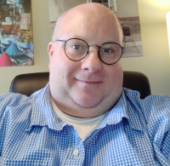
John Burkin
Licensed Professional Counselor, LPC, LMHC, LPCC, LCPC, CPL, Registered Member MBACP
Continuous, restful sleep is an absolute must. We are unable to store sleep, i.e. take power naps thinking we are good to go. Too many of us are sleep deprived. I am pleased to share I have attended a comprehensive training on Cognitive Behavioral Therapy for Insomnia, or CBT-I.
15 Years Experience
Online in Yorktown, VA (Online Only)
Sleep Issues
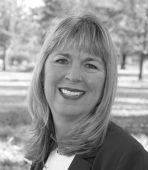
Jennifer L Abel
Psychologist, Ph.D.
Having a specialty focus in grad school in behavioral medicine where I also developed severe insomnia, has left me passionate and compassionate about insomnia in particular. I know way more about treating insomnia than the average therapist and use a variety of techniques in addition to worry management, stimulus control, sleep hygiene, and what I call "the win-win trick." If worries keep you awake, I truly believe that I'm your best but. If you have other forms of insomnia, you might do better with a CBT-I certified therapist.
30 Years Experience
Online in Yorktown, VA (Online Only)
Sleep Disorder therapists in Yorktown, VA Statistics
Sleep Disorder therapists in Yorktown, VA average 15 years of experience and charge around $207 per session. 100% offer online sessions. The top treatment approaches are Cognitive Behavioral Therapy (CBT) (88%), Acceptance & Commitment Therapy (ACT) (57%), and Behavioral Therapy (34%).
Average years in practice
15 Years Experience
Average cost per session
$207
Accept insurance
38%
Offer sliding scale
36%
Gender ID
| 54% |
Female |
|
| 35% |
Male |
|
| 7% |
Non-Binary |
|
| 4% |
Gender Fluid |
|
Session Type
| 57% |
Online Only |
|
| 43% |
In Person and Online |
|
Top Treatment Approaches
| 88% | Cognitive Behavioral Therapy (CBT) |
| 57% | Acceptance & Commitment Therapy (ACT) |
| 34% | Behavioral Therapy |
| 28% | Solution-Focused Brief Therapy (SFBT) |
| 26% | Mindfulness-Based Cognitive Therapy (MBCT) |
| 24% | Interpersonal Therapy (IPT) |
| 22% | Psychodynamic Therapy |
Ages Served
| 100% | Adult |
| 67% | Young Adult |
| 62% | Senior |
| 40% | Teen |
| 24% | Children |
Client Focus
| 48% | Women |
| 40% | Men |
| 34% | LGBTQ+ |
| 34% | Military / Veterans |
| 26% | Jewish |