Psychosis therapists in Birmingham, AL
Browse Psychosis therapists in Birmingham, Alabama. Compare credentials, specialties and therapeutic approach. Contact a therapist to learn more.
Psychosis
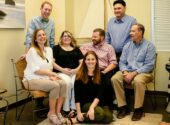
Collins Counseling Associates
Licensed Professional Counselor, LPC, LMFT
Hazel, Paul, Mary, Davey are clinicians worked at the community mental health center and inpatient hospital settings prior to transitioning into private practice. All of these clinicians have experience treating clients with serious mental illness, including schizophrenia, schizoaffective disorder, and other psychosis.
21 Years Experience
Online in Birmingham, AL

Psychosis
Grace in the Shadows
Licensed Professional Counselor, PhD, MDiv, MA, NCMHC, ALMHC, VALMHC, SCMHC, FLMHC, KYMHC, IDMHC
I approach psychosis with a compassionate and faith-based perspective, integrating psychological expertise with Christian principles to provide support and guidance. Recognizing the profound challenges faced by individuals experiencing psychosis, I create a safe and empathetic space that incorporates prayer, scriptural reflection, and discussions on faith. Collaborating with other mental health professionals as needed, I work to help individuals and their families navigate the complexities of psychosis within the context of their Christian beliefs. While respecting the need for psychiatric intervention and medication, I address the spiritual and emotional aspects of the individual's experience. This holistic approach aims to support individuals in finding strength, hope, and a sense of purpose grounded in their Christian faith as they navigate the challenges associated with psychosis.
11 Years Experience
Online in Birmingham, AL (Online Only)

Psychosis
Dr. Adam Shafer (Chicago, IL)
Psychologist, Psy. D., M.A.
Losing touch with reality is more complicated than just trying to realign oneself with the external environment. To understand this experience, one must work to appreciate the subjective realities that illuminate these challenges.
17 Years Experience
Online in Birmingham, AL
Psychosis
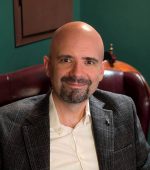
Dr. Brian Sharpless
Psychologist, Ph.D., Clinical Psychology; M.A., Philosophy
Psychotic disorders can have a profound effect on people's lives. However, therapy can be a helpful addition to medication and other treatments. I have experience treating psychotic disorders using Psychodynamically-Oriented Supportive Therapy (POST) and other approaches. I have also published professional works on hallucinations and delusions. Please note that I only do individual therapy (i.e., not couple's or family therapy).
19 Years Experience
Online in Birmingham, AL

Psychosis
Siddharth Arora
Psychiatrist, DO, MS
Experiencing psychosis can be frightening and disorienting, both for the individual and their loved ones. At our practice, we provide expert assessment and treatment for conditions involving hallucinations, delusions, and disorganized thinking. Our compassionate team uses antipsychotic medications, cognitive support, and coordinated care to stabilize symptoms and promote recovery, always with a focus on dignity and respect.
10 Years Experience
Online in Birmingham, AL
Psychosis therapists in Birmingham, AL Statistics
Psychosis therapists in Birmingham, AL average 20 years of experience and charge around $194 per session. 100% offer online sessions. The top treatment approaches are Cognitive Behavioral Therapy (CBT) (63%), Existential / Humanistic Therapy (63%), and Interpersonal Therapy (IPT) (63%).
Average years in practice
20 Years Experience
Average cost per session
$194
Accept insurance
75%
Offer sliding scale
38%
Gender ID
| 70% |
Male |
|
| 20% |
Female |
|
| 10% |
Non-Binary |
|
Session Type
| 87% |
In Person and Online |
|
| 13% |
Online Only |
|
Top Treatment Approaches
| 63% | Cognitive Behavioral Therapy (CBT) |
| 63% | Existential / Humanistic Therapy |
| 63% | Interpersonal Therapy (IPT) |
| 63% | Psychodynamic Therapy |
| 50% | Object Relations Therapy |
| 50% | Relational Psychotherapy |
| 38% | Behavioral Therapy |
Ages Served
| 100% | Adult |
| 63% | Young Adult |
| 50% | Senior |
| 50% | Teen |
| 25% | Children |
Client Focus
| 38% | Christian |
| 38% | Men |
| 38% | Military / Veterans |
| 25% | Persons with Disabilities |
| 25% | Women |