Social Isolation therapists in Decatur, AL
Browse Social Isolation therapists in Decatur, Alabama. Compare credentials, specialties and therapeutic approach. Contact a therapist to learn more.
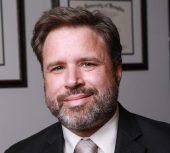
Grace in the Shadows
Licensed Professional Counselor, PhD, MDiv, MA, NCMHC, ALMHC, VALMHC, SCMHC, FLMHC, KYMHC, IDMHC
I address social isolation with a compassionate and faith-centered approach, integrating psychological insights with Christian principles to guide individuals toward connection and community. Recognizing the emotional and spiritual impact of social isolation, I create a supportive environment that incorporates prayer, scriptural reflection, and discussions on the importance of fellowship. Encouraging individuals to draw strength from their faith, I collaborate to explore the root causes of social isolation and develop strategies for building meaningful connections. This may involve integrating into church or faith communities and fostering a sense of belonging. By emphasizing Christian values such as love, compassion, and community, I aim to empower individuals to overcome social isolation, cultivate relationships, and experience the transformative power of connection within the context of their Christian beliefs.
11 Years Experience
Online in Decatur, AL (Online Only)
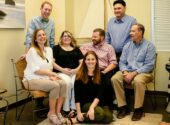
Dr. Elizabeth Coldren
Psychologist, PSYD, PSYPACT
I work with adults who feel socially isolated or disconnected, even though they want closer relationships. Many of the people I see are thoughtful, highly self‑aware, and sometimes feel out of sync with typical social norms. From the outside, it can look like you are doing fine; inside, you may feel alone, peripheral, or hard to really know. You may enjoy connection once it is happening, but getting there can feel complicated, effortful, or uncertain.
Social isolation can look like drifting away from friends without meaning to; keeping conversations on the surface because a deeper connection feels risky or confusing; or feeling invisible or on the edges in social settings. It can also look like wanting closeness but not knowing how to move toward it, feeling disconnected from your own needs or preferences, or carrying a sense that other people have an ease with relationships that you somehow missed. You may often feel judged, misread, or like people do not really understand you, which can make it even harder to risk reaching out.
I work extensively with adults navigating this kind of disconnection and know how heavy it can feel when most of your life is lived on your own. For many people, there can also be a long history of masking, camouflaging, or adapting to others that leaves you unsure what you actually want. Over time, this can lead to loneliness, self‑doubt, or a sense of being on the outside of your own life.
In our work together, we look closely at how these patterns developed and what they have been protecting you from. We make room for the part of you that has learned to be fiercely self‑sufficient, to rely on yourself because that has felt safest. From there, we explore small, meaningful steps toward connection that feel authentic and sustainable for you, with relationships where you can feel met and genuinely seen. You don’t have to manage this alone. This kind of work is central to my practice, and I approach it with a great deal of care.
26 Years Experience
Online in Decatur, AL
Collins Counseling Associates
Licensed Professional Counselor, LPC, LMFT
All of our clinicians provide clinical care for individuals who who struggle with social isolation.
21 Years Experience
Online in Decatur, AL
Clear Path Counseling and Wellness Center
Licensed Professional Counselor, MA. LPC
Brad provides trauma-informed therapy for social isolation and related concerns, including loneliness, disconnection, difficulty forming or maintaining relationships, withdrawal from social contact, and feeling emotionally distant from others. Social isolation can significantly impact mental health, contributing to depression, anxiety, low self-esteem, and a reduced sense of meaning, belonging, and connection.
Brad takes a holistic and trauma-focused approach to social isolation, helping clients understand the emotional, psychological, and relational factors that may be contributing to withdrawal or disconnection from others. For many individuals, social isolation is connected to past trauma, attachment wounds, rejection experiences, social anxiety, or long-standing beliefs about safety, trust, or self-worth in relationships.
As an experienced trauma therapist and EMDR therapist, Brad integrates EMDR therapy (Eye Movement Desensitization and Reprocessing), trauma-informed counseling, emotional regulation strategies, and holistic therapeutic approaches to help clients process underlying emotional pain, reduce avoidance patterns, and rebuild the capacity for safe and meaningful connection with others. Therapy focuses on strengthening emotional resilience, improving self-awareness, and gently increasing comfort in relational and social environments.
Brad works collaboratively with clients to identify barriers to connection, explore past experiences that may have contributed to isolation, and develop practical, individualized steps toward rebuilding relationships and social engagement at a pace that feels safe and manageable.
Therapy is supportive, non-judgmental, and tailored to each client’s needs, with an emphasis on emotional safety, empowerment, and sustainable change. The goal is not forced social engagement, but helping clients reconnect with others in ways that feel authentic, manageable, and aligned with their personal comfort level.
Healing is possible. With the right support, clients can move beyond isolation, rebuild meaningful connections, and experience greater belonging, emotional well-being, and quality of life.
28 Years Experience
Online in Decatur, AL (Online Only)
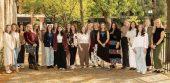
Dr. Jason Wang, Inflection Points Therapy
Psychologist, PhD
Social isolation and loneliness can become significant concerns in adulthood. Demanding schedules, remote work, relocation, life transitions, changing relationships, or limited opportunities to meet people can make connection difficult to establish or maintain. You may also feel lonely even when other people are present if your relationships do not provide the understanding, belonging, or closeness you need. Though social connection involves vulnerability and can bring uncertainty, rejection, disappointment, misunderstanding, or conflict, it is still important and still worthwhile. While those risks can make withdrawing or avoiding connection feel safer, isolation comes at a real cost.
Therapy can help you understand the practical, emotional, and relational barriers to connection in your life; identify the kinds of relationships and community you want; and take manageable steps toward building new connections or strengthening existing ones. Our work may also involve developing greater comfort with vulnerability, navigating conflict and boundaries, and responding to setbacks without giving up on connection.
8 Years Experience
Online in Decatur, AL
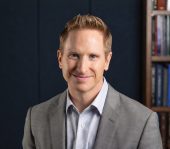
Social Isolation therapists in Decatur, AL Statistics
Social Isolation therapists in Decatur, AL average 16 years of experience and charge around $211 per session. 100% offer online sessions. The top treatment approaches are Cognitive Behavioral Therapy (CBT) (71%), Existential / Humanistic Therapy (47%), and Acceptance & Commitment Therapy (ACT) (45%).
Average years in practice
16 Years Experience
Average cost per session
$211
Accept insurance
33%
Offer sliding scale
43%
Gender ID
| 60% |
Female |
|
| 38% |
Male |
|
| 2% |
Non-Binary |
|
Session Type
| 57% |
In Person and Online |
|
| 43% |
Online Only |
|
Top Treatment Approaches
| 71% | Cognitive Behavioral Therapy (CBT) |
| 47% | Existential / Humanistic Therapy |
| 45% | Acceptance & Commitment Therapy (ACT) |
| 43% | Person-Centered Therapy (Rogerian) |
| 35% | Behavioral Therapy |
| 35% | Integrative Therapy |
| 35% | Psychodynamic Therapy |
Ages Served
| 100% | Adult |
| 80% | Young Adult |
| 57% | Senior |
| 41% | Teen |
| 18% | Children |
Client Focus
| 55% | Women |
| 47% | Men |
| 45% | LGBTQ+ |
| 37% | Persons with Disabilities |
| 33% | Military / Veterans |