Suicidal Thoughts therapists in 150 Mile House, BC
Browse Suicidal Thoughts therapists in 150 Mile House, British Columbia, Canada. Compare credentials, specialties and therapeutic approach. Contact a therapist to learn more.

Suicidal
Kylie Feller
Licensed Professional Counsellor, MA, CCC
If part of you is thinking about giving up, there’s another part of you that still hopes for something more.
Suicidal thoughts can feel heavy, isolating, and overwhelming—but they are often protective parts trying to escape deep pain. You are not alone in this. In our work together, we create a safe space to gently explore these thoughts without judgment. Using Internal Family Systems (IFS), I help you connect with the parts of you that feel hopeless, as well as the parts that are still holding on. When we approach these inner voices with compassion and curiosity, healing becomes possible. You are not broken. There is help, and there is a path forward—even if it feels far away right now.
10 Years Experience
Online in 150 Mile House, BC (Online Only)

Suicidal
R.E.A.C.H. Therapy & Consultation Inc.
Registered Social Worker, MSW, RSW
If you're experiencing suicidal thoughts, it's important to know that you're not alone, and help is available. I specialize in providing compassionate, non-judgmental support to individuals struggling with feelings of hopelessness and despair. Using evidence-based approaches like Cognitive Behavioural Therapy (CBT) and Dialectical Behaviour Therapy (DBT), we’ll work together to address the underlying emotions and thoughts that contribute to these feelings. My goal is to help you find a sense of purpose, restore hope, and build coping skills that promote emotional well-being. If you're ready to take the first step toward healing, I’m here to support you through this difficult time.
6 Years Experience
Online in 150 Mile House, BC

Suicidal
Melinda Freitas
Counsellor/Therapist, MACP, RCC, CCS
Therapy looks very different depending on whether someone is facing a personal crisis or grieving a loss. Suicide-focused counselling offers immediate, structured support to keep an individual safe during their darkest moments. Suicide loss counselling provides a gentle, trauma-informed space for survivors processing the devastating death of a loved one. I utilize both trauma-informed and compassionate-therapeutic approaches for this work.
14 Years Experience
Online in 150 Mile House, BC
Suicidal
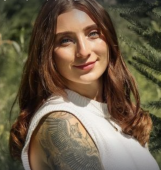
Havenwood Psychotherapy
Registered Psychotherapist, Registered Psychotherapist
If you're experiencing suicidal thoughts, you don't have to carry them alone. Therapy can provide a compassionate, non-judgmental space to talk honestly about what you're experiencing and develop support and strategies for getting through moments when things feel overwhelming.
Taylor offers a warm, trauma-informed space where difficult emotions can be explored without shame or judgment. Taylor's full bio: https://www.havenwoodpsych.com/taylor-davis
5 Years Experience
Online in 150 Mile House, BC (Online Only)
Suicidal
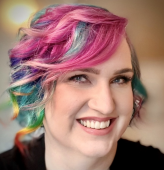
Clayre Sessoms
Registered Psychotherapist, RP, CCC, ATR-BC
When you are carrying suicidal thoughts, it is often a sign that your system is in a state of profound pain and sees disappearing as the only available relief from a world that feels unyielding or hostile. I provide an unconditionally non-judgmental, deeply relational online presence for clients in British Columbia who are navigating these heavy, dark spaces. We will sit safely with your suffering together, exploring the underlying distress while gently seeking paths toward internal ease and reconnection.
8 Years Experience
Online in 150 Mile House, BC (Online Only)
Suicidal Thoughts therapists in 150 Mile House, BC Statistics
Suicidal Thoughts therapists in 150 Mile House, BC average 12 years of experience and charge around $163 per session. 100% offer online sessions. The top treatment approaches are Cognitive Behavioral Therapy (CBT) (84%), Internal Family Systems (IFS) (66%), and Narrative Therapy (63%).
Average years in practice
12 Years Experience
Average cost per session
$163
Accept insurance
81%
Offer sliding scale
63%
Gender ID
| 62% |
Female |
|
| 24% |
Male |
|
| 7% |
Gender Fluid |
|
| 7% |
Non-Binary |
|
Session Type
| 59% |
In Person and Online |
|
| 41% |
Online Only |
|
Top Treatment Approaches
| 84% | Cognitive Behavioral Therapy (CBT) |
| 66% | Internal Family Systems (IFS) |
| 63% | Narrative Therapy |
| 59% | Dialectical Behavior Therapy (DBT) |
| 59% | Emotionally Focused Therapy (EFT) |
| 59% | Mindfulness-Based Cognitive Therapy (MBCT) |
| 59% | Solution-Focused Brief Therapy (SFBT) |
Ages Served
| 100% | Adult |
| 81% | Teen |
| 81% | Young Adult |
| 75% | Senior |
| 28% | Children |
Client Focus
| 66% | Men |
| 66% | Women |
| 56% | Military / Veterans |
| 53% | LGBTQ+ |
| 53% | Persons with Disabilities |