Bipolar Disorder therapists in Kamloops, BC
Browse Bipolar Disorder therapists in Kamloops, British Columbia, Canada. Compare credentials, specialties and therapeutic approach. Contact a therapist to learn more.
Bipolar
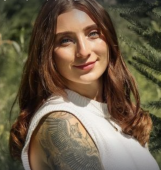
Havenwood Psychotherapy
Registered Psychotherapist, Registered Psychotherapist
Living with bipolar disorder can involve navigating changes in mood, energy, relationships, self-understanding, and daily functioning. Therapy can offer a supportive space to better understand your experiences, recognize patterns, strengthen emotional awareness, and develop strategies that support stability and a stronger sense of self.
Amanda brings a trauma-informed, integrative approach to therapy and supports clients in understanding the experiences and patterns that shape their emotional lives. Her work emphasizes authenticity, autonomy, self-trust, and meaningful change while respecting each person's unique experience.
Savanna supports individuals navigating bipolar disorder with a warm, holistic approach focused on emotional awareness, self-understanding, stability, and building practical strategies for everyday life.
Savanna
Team Bios: https://www.havenwoodpsych.com/meet-the-team
5 Years Experience
Online in Kamloops, BC (Online Only)
Bipolar
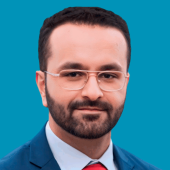
Zain Abideen
Registered Psychotherapist, Registered Psychotherapist , BSc, MACP
Living with bipolar disorder can involve intense shifts in mood, energy, and emotional stability. Therapy focuses on helping clients understand their patterns, strengthen emotional regulation skills, and develop strategies that support stability and long term well being.
2 Years Experience
Online in Kamloops, BC (Online Only)

Bipolar
Kimberly Davidson | Katalyst Integrated Trauma Treatment
Counsellor/Therapist, RCS, MTC, RTC, SEP, CCTP, CCISM, CFRC, CATP, NARM
Trauma has a variety of ways it is expressed, bipolar is one expression of this.
20 Years Experience
Online in Kamloops, BC (Online Only)

Bipolar
Selah Counselling, Mediation, and Training Center
Registered Social Worker, BSW, MSW, RSW
If you are living with bipolar disorder, you may experience intense shifts in mood, energy, and motivation that feel confusing or overwhelming. There may be periods of high energy, racing thoughts, or impulsive decisions, followed by deep exhaustion, sadness, or discouragement. These changes can impact relationships, work, and your sense of stability.
At Selah Counselling, we approach bipolar disorder with compassion, structure, and clinical care. We work alongside you to better understand your patterns, identify early warning signs, and develop consistent strategies that support stability. This may include collaborating with medical providers, strengthening daily routines, regulating sleep, and building coping tools for both elevated and low-mood states. Our goal is to help you gain insight, increase steadiness, and create a life that feels more predictable, supported, and grounded over time.
29 Years Experience
Online in Kamloops, BC

Bipolar
Manupriya Mehra
Licensed Professional Counsellor, (RTC)(ACCT), C.HypTM -Trauma Specialist, B.A., M.A. Psychology ( India)
Living with bipolar disorder can bring emotional uncertainty, shifts in mood, and challenges in maintaining balance in daily life. I provide supportive counselling to help individuals better understand mood patterns, strengthen emotional regulation, and develop practical coping strategies. My work focuses on stability, routine-building, stress management, and emotional awareness, while encouraging collaboration with medical and psychiatric providers when appropriate.
24 Years Experience
Online in Kamloops, BC (Online Only)
Bipolar Disorder therapists in Kamloops, BC Statistics
Bipolar Disorder therapists in Kamloops, BC average 13 years of experience and charge around $169 per session. 100% offer online sessions. The top treatment approaches are Cognitive Behavioral Therapy (CBT) (83%), Dialectical Behavior Therapy (DBT) (63%), and Emotionally Focused Therapy (EFT) (63%).
Average years in practice
13 Years Experience
Average cost per session
$169
Accept insurance
83%
Offer sliding scale
66%
Gender ID
| 67% |
Female |
|
| 29% |
Male |
|
| 2% |
Gender Fluid |
|
| 2% |
Non-Binary |
|
Session Type
| 66% |
In Person and Online |
|
| 34% |
Online Only |
|
Top Treatment Approaches
| 83% | Cognitive Behavioral Therapy (CBT) |
| 63% | Dialectical Behavior Therapy (DBT) |
| 63% | Emotionally Focused Therapy (EFT) |
| 51% | Narrative Therapy |
| 51% | Person-Centered Therapy (Rogerian) |
| 49% | Internal Family Systems (IFS) |
| 49% | Solution-Focused Brief Therapy (SFBT) |
Ages Served
| 100% | Adult |
| 83% | Senior |
| 80% | Teen |
| 77% | Young Adult |
| 20% | Children |
Client Focus
| 69% | Women |
| 63% | LGBTQ+ |
| 63% | Men |
| 54% | Black / African American |
| 54% | Persons with Disabilities |