Dissociative Disorders therapists in Kitimat, BC
Browse Dissociative Disorders therapists in Kitimat, British Columbia, Canada. Compare credentials, specialties and therapeutic approach. Contact a therapist to learn more.
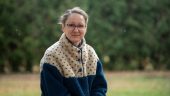
Dissociation
Somatic Healing Arts, Psychotherapy and Wellness
Registered Psychotherapist, RP (qualifying), MA-ExAT
Dissociative disorders often involve feeling disconnected from one’s thoughts, emotions, or body. This disconnection can show up as numbness, zoning out, or a sense of being detached from reality. Approaches like art therapy and sensorimotor therapy gently engage both body and mind, helping individuals safely reconnect with their sensations and emotions, process experiences, and build a stronger sense of presence, integration, and self-awareness.
9 Years Experience
Online in Kitimat, BC

Dissociation
Your Story Counselling Services
Registered Psychotherapist, MSc, CCC, RMFT, RSW, RP
Struggling with staying present? with feeling safe and in the moment? Our therapists can help you identify the roots of your struggles and create a custom treatment plan to overcome them. Head over to our website to learn more!
10 Years Experience
Online in Kitimat, BC
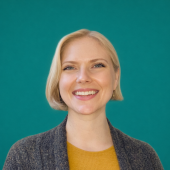
Dissociation
Alex Ozon Therapy
Counsellor/Therapist, RCT, CCC
Dissociation can feel confusing and unsettling, impacting your sense of self and connection to the present. My approach to dissociative disorders is grounded in compassion, safety, and pacing that respects where you are. We focus on grounding, integration, and building a sense of control and safety in your life.
4 Years Experience
Online in Kitimat, BC (Online Only)
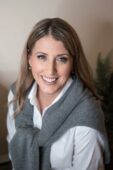
Dissociation
Kimberly Davidson | Katalyst Integrated Trauma Treatment
Counsellor/Therapist, RCS, MTC, RTC, SEP, CCTP, CCISM, CFRC, CATP, NARM
Most dissociative disorders come from an environmental failure or trauma (traumas). Understanding how they are created and what they serve, goes a long way to helping heal this and creating a new reality.
20 Years Experience
Online in Kitimat, BC (Online Only)
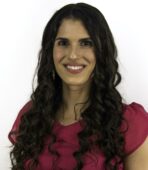
Dissociation
Nina Hopmeier
Licensed Professional Counsellor, Registered Clinical Counsellor (RCC)
Dissociation is often linked to a trauma response. Trauma is a reaction that individuals have in response to an event that they perceive as overwhelming. Responses to trauma can be so overwhelming that completing daily tasks, such as going to work or getting out of bed may be a struggle. A significant symptom of trauma is feeling as if the traumatic event is still happening, sometimes, even years after the event occurred. In order to protect from the perceived traumatic event, it is understandable that people may choose to "check out" or "dissociate" from the experience. One of the downfalls of dissociation is that individuals are brought further away from the present moment, which is safe and non-threatening. In our work together I provide strategies to cope with dissociation in order to feel safe and gain renewed hope for the future.
15 Years Experience
Online in Kitimat, BC (Online Only)
Dissociative Disorders therapists in Kitimat, BC Statistics
Dissociative Disorders therapists in Kitimat, BC average 12 years of experience and charge around $158 per session. 100% offer online sessions. The top treatment approaches are Emotionally Focused Therapy (EFT) (69%), Person-Centered Therapy (Rogerian) (66%), and Cognitive Behavioral Therapy (CBT) (62%).
Average years in practice
12 Years Experience
Average cost per session
$158
Accept insurance
72%
Offer sliding scale
55%
Gender ID
| 65% |
Female |
|
| 29% |
Male |
|
| 3% |
Gender Fluid |
|
| 3% |
Non-Binary |
|
Session Type
| 59% |
In Person and Online |
|
| 41% |
Online Only |
|
Top Treatment Approaches
| 69% | Emotionally Focused Therapy (EFT) |
| 66% | Person-Centered Therapy (Rogerian) |
| 62% | Cognitive Behavioral Therapy (CBT) |
| 62% | Internal Family Systems (IFS) |
| 62% | Narrative Therapy |
| 62% | Somatic Therapy |
| 59% | Dialectical Behavior Therapy (DBT) |
Ages Served
| 100% | Adult |
| 72% | Young Adult |
| 69% | Teen |
| 66% | Senior |
| 28% | Children |
Client Focus
| 69% | Women |
| 66% | Men |
| 55% | Persons with Disabilities |
| 52% | LGBTQ+ |
| 45% | Asian |