Trauma and PTSD therapists in Lowestoft, England
Find experienced trauma and PTSD therapists in Lowestoft, England, United Kingdom who provide testing, evidence-based treatment for trauma, post-traumatic stress disorder, and related challenges such as anxiety, depression, and stress. Compare detailed therapist profiles and connect with a provider that’s right for you.
PTSD/Trauma
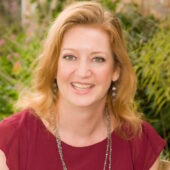
Rachel Eddins
Counsellor/Therapist, MEd, LPC
Trauma can be caused by a specific event (like an accident, assault, or life-threatening event), a recurring event (like combat exposure or repeated abuse), or a developmental, childhood, or relational trauma (like physical or emotional neglect in childhood).
Trauma can also be caused by many other frightening situations, such as bullying, abuse, rape, crime, war, victimization, and shaming/humiliation.
You don’t have to live with symptoms of trauma and PTSD. Trauma therapy can help you get unstuck and return to feeling like yourself again. You can heal from trauma.
21 Years Experience
Online in Lowestoft, England

PTSD/Trauma
Empowered Wellbeing, Decolonizing Intersectional and Integrative Complex Trauma & Dissociation Recovery Support
Life Coach, view my credentials online at: www.recoveringfromwithin.com/credentialslongform
We bring 14+ years of experience with complex trauma, dissociation care and recovery, memory reconsolidation and other neurodevelopmental care, attachmemt care and support... We specialize in CSAS - Adult Survivors of Childhood Sexual Abuse, Colonial and/or Narcissistic/Trauma Recovery. Our approach is systems and neurodevelopmental and at times ethnotraditional/ecorelational based. We bring compassion and empathy to trauma recovery support. There is a deep understanding of the internal and external affects of trauma recovery. Care providers are sometimes also survivors who have been through the recovery and have deep compassion for the process. We look at and work with intersectional issues of oppression. We also recognize many instances of socially derived trauma are intergenerational, lateralized and or oppressive and ongoing, clients are often addressing childhood, as well as, adult trauma from a non-self-shaming compassion based approach such as, Intersectional Care, Parts Work including TIST -- Trauma Informed Stabilization Theory, IFS -- Internal Family Systems; Somatic Work and distance CranioSacral; DBR, Polyvagal and Attachment Theory based approaches... non dominant handwriting, addiction care, memory reconsolidation and existential/coherence level care. We also integrate understanding of Transformative and Social Justice to bring awareness to internalized oppression that can keep survivors looped into dangerous experiences. We have a decolonizing orientation to care! This work is a special calling, during and post trauma recovery, folks may even feel more affirmed and move towards creative and fulfilling Self actualization in their process. We welcome POC and GM folks with intersecting care needs. Please feel free to email me if you have any questions.
15 Years Experience
Online in Lowestoft, England (Online Only)
PTSD/Trauma
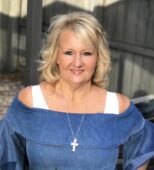
Lisa Hawkins-Jack
Licensed Clinical Social Worker, LCSW, LMSW
I am fortunate to have been able to spend over 11 years working with victims of PTSD and early childhood trauma. I have had the pleasure of working with Multiple populations afflicted by this. This includes everyone from our military personnel after combat, to children in the foster care system
31 Years Experience
Online in Lowestoft, England

PTSD/Trauma
Kat Pachana-Pereira
Registered Psychotherapist, Integrative Therapist (CBT), Couples Therapist, EMDR Therapist
With use of compassion, EMDR and Trauma treatment techniques we will start discovering safety and change unhelpful coping styles
9 Years Experience
Online in Lowestoft, England

PTSD/Trauma
Dr Paul Garden
Psychologist, Doctorate in Psychology, DPsych, MSc with Distinction, BSc First Class Honours.
I have worked closely with complex trauma and PTSD throughout my career. I take a particular interest in these experiences.
11 Years Experience
Online in Lowestoft, England
Trauma and PTSD therapists in Lowestoft, England Statistics
Trauma and PTSD therapists in Lowestoft, England average 14 years of experience and charge around ¤135 per session. 100% offer online sessions. The top treatment approaches are Integrative Therapy (55%), Cognitive Behavioral Therapy (CBT) (51%), and Person-Centered Therapy (Rogerian) (49%).
Average years in practice
14 Years Experience
Average cost per session
¤135
Accept insurance
37%
Offer sliding scale
47%
Gender ID
| 68% |
Female |
|
| 28% |
Male |
|
| 2% |
Gender Fluid |
|
| 2% |
Non-Binary |
|
Session Type
| 66% |
In Person and Online |
|
| 34% |
Online Only |
|
Top Treatment Approaches
| 55% | Integrative Therapy |
| 51% | Cognitive Behavioral Therapy (CBT) |
| 49% | Person-Centered Therapy (Rogerian) |
| 39% | Somatic Therapy |
| 31% | Behavioral Therapy |
| 31% | Existential / Humanistic Therapy |
| 30% | Solution-Focused Brief Therapy (SFBT) |
Ages Served
| 99% | Adult |
| 65% | Young Adult |
| 54% | Senior |
| 53% | Teen |
| 22% | Children |
Client Focus
| 66% | Women |
| 51% | Men |
| 48% | LGBTQ+ |
| 35% | Persons with Disabilities |
| 33% | Christian |