Social Isolation therapists in Smethwick, England
Browse Social Isolation therapists in Smethwick, England, United Kingdom. Compare credentials, specialties and therapeutic approach. Contact a therapist to learn more.

Social Isolation
Ummayah Sidhu
Counsellor/Therapist, BACP Accredited Psychotherapist & Clinical Lead | Identity, Heritage & High-Pressure Transitions
Feeling disconnected or lonely can be one of the most painful human experiences, often leading to a cycle of withdrawing even further. I provide a supportive space to explore the barriers—whether emotional or situational—that have kept you isolated, gently helping you rebuild your confidence and rediscover meaningful ways to reconnect with the world.
10 Years Experience
Online in Smethwick, England (Online Only)
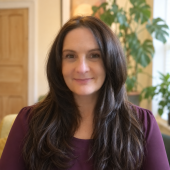
Social Isolation
Samantha Coleman
Therapist, MBACP Prof Dip
Social isolation can be deeply painful and can affect confidence, mood, self-worth, and your sense of belonging in the world. It may develop gradually through anxiety, depression, trauma, burnout, life changes, or repeated experiences of feeling misunderstood. My approach is compassionate and non-judgemental. I work with clients to understand what may be contributing to the isolation, while helping them rebuild confidence, connection, and a greater sense of possibility.
13 Years Experience
Online in Smethwick, England

Social Isolation
Marc Donegan, Psychotherapist
Registered Psychotherapist, Psychodynamic Analysis & Transactional Analysis, PACFA, BACP, ITTA, EATA, UKATA
Isolation is sometimes circumstantial and sometimes protective, a way of avoiding the risk of connection after being hurt before. I work with clients to understand which it is for them, and to rebuild the capacity for connection at a pace that feels safe, rather than pushing them toward social situations before they’re ready.
10 Years Experience
Online in Smethwick, England

Social Isolation
Kevin Martin
Counsellor/Therapist, Psychotherapist Psychodynamic Analysis & Transactional Analysis, BACP, ITTA, EA
Social isolation is the complete or near-complete lack of contact with other people and society. It differs from loneliness—the distress of being alone or lacking connection—whereas social isolation is an objective lack of social relationships, community involvement, and everyday interactions.
Understanding the Difference
Social Isolation: An objective state measured by the size of one's social network and frequency of social contact (e.g., living alone, rarely seeing friends or family, having no regular community groups).
Loneliness: A subjective, emotional state. You can be surrounded by people and still feel profoundly lonely, just as someone who spends a lot of time alone might not feel lonely at all. However, prolonged social isolation frequently leads to severe loneliness.
Common Risk Factors & Triggers
Major Life Transitions: Retirement, job loss, moving to a new city or country, or becoming a full-time caregiver.
Loss & Bereavement: The death of a spouse, family member, or lifelong friends, which can dismantle an established social circle.
Physical Health & Mobility Issues: Chronic illness, disability, chronic pain, or lack of transportation that makes leaving the house difficult.
Mental Health Struggles: Depression, severe social anxiety, or trauma that makes interacting with others feel exhausting or terrifying.
Technological & Environmental Barriers: Living in a remote area or lacking access to digital communication tools that bridge physical distances.
Rebuilding Connection
Stepping out of isolation can feel daunting because isolation itself often drains the energy needed to change it. Healing usually happens in small, manageable steps:
Low-Pressure Engagement: Starting with brief interactions, like chatting with a cashier, greeting a neighbour, or visiting a local library or park.
Shared-Interest Communities: Join clubs, volunteer, take a class, or participate in support groups where connections form naturally around a common activity.
Digital Bridges: Utilising video calls, online communities, or pen-pal programs if physical mobility is a barrier.
Remember: Feeling disconnected is a signal from your mind and body that your social needs aren't being met—it is not a permanent reflection of your worth. Reaching out, even in tiny increments, can help bridge the gap.
10 Years Experience
Online in Smethwick, England (Online Only)

Social Isolation
Parents & Beyond / Vered Shomer-Harel
Registered Psychotherapist, Psychotherapist |Counsellor| Parenting Coach M.S.P.C | M.A. Counselling | DIP. Parent Coaching
Feeling disconnected or alone, even when surrounded by people, can be deeply painful. Social isolation often comes with sadness, anxiety, numbness, or feeling “different” or misunderstood. Whether this isolation is due to life transitions, immigration, trauma, or personal circumstances, you don’t have to navigate it alone.
I offer a warm, supportive space to explore these feelings, rebuild a sense of connection, and gently strengthen your confidence, community, and emotional wellbeing.
8 Years Experience
Online in Smethwick, England (Online Only)
Social Isolation therapists in Smethwick, England Statistics
Social Isolation therapists in Smethwick, England average 14 years of experience and charge around ¤123 per session. 100% offer online sessions. The top treatment approaches are Integrative Therapy (65%), Person-Centered Therapy (Rogerian) (62%), and Cognitive Behavioral Therapy (CBT) (53%).
Average years in practice
14 Years Experience
Average cost per session
¤123
Accept insurance
32%
Offer sliding scale
44%
Gender ID
| 75% |
Female |
|
| 22% |
Male |
|
| 3% |
Gender Fluid |
|
Session Type
| 59% |
In Person and Online |
|
| 41% |
Online Only |
|
Top Treatment Approaches
| 65% | Integrative Therapy |
| 62% | Person-Centered Therapy (Rogerian) |
| 53% | Cognitive Behavioral Therapy (CBT) |
| 41% | Existential / Humanistic Therapy |
| 41% | Psychodynamic Therapy |
| 32% | Emotionally Focused Therapy (EFT) |
| 32% | Hypnotherapy |
Ages Served
| 100% | Adult |
| 65% | Senior |
| 65% | Young Adult |
| 44% | Teen |
| 21% | Children |
Client Focus
| 71% | Women |
| 47% | Men |
| 44% | Christian |
| 44% | LGBTQ+ |
| 41% | Black / African American |