LGBTQ+ Issues therapists in Ocean Springs, MS
Browse LGBTQ+ Issues therapists in Ocean Springs, Mississippi. Compare credentials, specialties and therapeutic approach. Contact a therapist to learn more.

LGBTQ+
Therapy Solutions, LLC
Psychologist
All of our therapists serve the LGBTQ community. Nicole Osborne specializes in supporting the needs of the LGBTQ community and their loved ones.
24 Years Experience
Online in Ocean Springs, MS

LGBTQ+
Kate Winderman
Psychologist, Ph.D., LP
Working with members of the queer community has always been at the heart of what I do as a therapist. I have over a decade of experience of working with members of the queer community in therapy, and have helped folks through all sorts of issues that impact our community in unique ways (e.g., coming out, coming in to oneself, family issues, religious trauma, minority stress and discrimination, internalized homophobia, intersection of other marginalized identities, and more). My goal is to provide a safe and affirming space for sexual and gender minorities to feel free to be their most authentic selves in the therapy room.
13 Years Experience
Online in Ocean Springs, MS

LGBTQ+
Dan Walinsky
Psychologist, PhD
Much of my career has focused on supporting LGBTQIA people in any number of ways. Whether you're at a point where you're considering coming out, if you're exploring your sexual or gender identity, or need space to process the important relationships in your life, this can be a great space to do some work. Many LGBTQIA people have had to make compromises in their lives to fit into social norms that don't mirror queer realities, and doing so can leave a real impact. I love to help LGBTQIA people work toward becoming more fully themselves.
4 Years Experience
Online in Ocean Springs, MS

LGBTQ+
Dr. Carol H Paulson
Psychologist, PhD, LP, RN, APRN, DMin
Exploring your goals for Life and Relationships
44 Years Experience
Online in Ocean Springs, MS (Online Only)
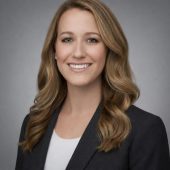
LGBTQ+
Heinig Health and Wellness Counseling
Psychologist, Ph.D. Clinical Psychology, M.S. Health Psychology, M.A. Clinical Psychology, PSYPACT Providers
Here at HHAWC, our psychologists are committed to culturally responsive care that respects each person’s unique experience and lived identity. We provide affirming, inclusive psychotherapy for LGBTQ+ individuals navigating a wide range of emotional, relational, and life challenges. Our approach offers a supportive space to explore identity, relationships, coming out, minority stress, anxiety, depression, and self-acceptance. Treatment focuses on fostering resilience, strengthening self-esteem, and supporting overall mental health and well-being in a safe, nonjudgmental environment.
7 Years Experience
Online in Ocean Springs, MS (Online Only)
LGBTQ+ Issues therapists in Ocean Springs, MS Statistics
LGBTQ+ Issues therapists in Ocean Springs, MS average 15 years of experience and charge around $214 per session. 100% offer online sessions. The top treatment approaches are Cognitive Behavioral Therapy (CBT) (70%), Acceptance & Commitment Therapy (ACT) (43%), and Psychodynamic Therapy (43%).
Average years in practice
15 Years Experience
Average cost per session
$214
Accept insurance
33%
Offer sliding scale
34%
Gender ID
| 59% |
Female |
|
| 33% |
Male |
|
| 5% |
Non-Binary |
|
| 3% |
Gender Fluid |
|
Session Type
| 54% |
In Person and Online |
|
| 46% |
Online Only |
|
Top Treatment Approaches
| 70% | Cognitive Behavioral Therapy (CBT) |
| 43% | Acceptance & Commitment Therapy (ACT) |
| 43% | Psychodynamic Therapy |
| 36% | Existential / Humanistic Therapy |
| 36% | Multicultural Therapy |
| 33% | Person-Centered Therapy (Rogerian) |
| 33% | Relational Psychotherapy |
Ages Served
| 99% | Adult |
| 77% | Young Adult |
| 52% | Senior |
| 37% | Teen |
| 17% | Children |
Client Focus
| 84% | LGBTQ+ |
| 63% | Women |
| 51% | Men |
| 34% | Black / African American |
| 33% | Hispanic / Latino |