Trauma and PTSD therapists in Klamath Falls, OR
Find experienced trauma and PTSD therapists in Klamath Falls, Oregon who provide testing, evidence-based treatment for trauma, post-traumatic stress disorder, and related challenges such as anxiety, depression, and stress. Compare detailed therapist profiles and connect with a provider that’s right for you.
View nearby cities
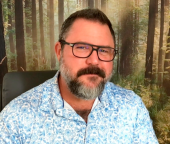
PTSD/Trauma
Gary D. Alexander
Marriage and Family Therapist, MS, MFT, NCC
Trauma can leave deep emotional and physiological imprints, often appearing as anxiety, intrusive memories, emotional numbness, or a persistent sense of being on guard. Post-Traumatic Stress Disorder (PTSD) is commonly associated with a single overwhelming event such as an accident, assault, or other life-threatening experience. Complex Post-Traumatic Stress Disorder (CPTSD), by contrast, often develops through repeated or long-term relational trauma—such as chronic emotional abuse, neglect, or unstable early environments—and can profoundly affect a person’s sense of identity, emotional regulation, and ability to feel safe in relationships.
In therapy we explore both the impact of these experiences and the ways the mind and body have learned to adapt in order to survive them. Rather than viewing trauma responses simply as symptoms to eliminate, our work approaches them as meaningful signals about what you have endured and how your nervous system has tried to protect you. As understanding deepens within the safety of the therapeutic relationship, many people begin to experience greater stability, renewed self-trust, and a gradual return of vitality in their lives.
23 Years Experience
Online in Klamath Falls, OR
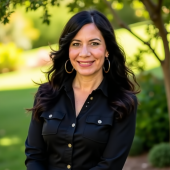
PTSD/Trauma
Layla Ashley Psychotherapy
Marriage and Family Therapist, LMFT
Trauma can leave lasting effects on the body, emotions, and sense of safety. I am Trauma-Informed, which means I focus on gently processing difficult experiences while building tools for regulation and resilience.
23 Years Experience
Online in Klamath Falls, OR

PTSD/Trauma
Kel Lash
Licensed Professional Counselor, MS, LPC, CLC
I am trauma informed in my treatment. I have worked with many clients with PTSD and complex trauma over the last 14 years, with excellent results. I use trauma-informed techniques such as TFCBT, DBT, desensitization, guided meditation, muscle relaxation, IFS, bilateral stimulation, hypnosis techniques and somatic therapy.
14 Years Experience
Online in Klamath Falls, OR (Online Only)

PTSD/Trauma
Rose Snyder, EdM, PsyD, LLC
Psychologist, PsyD
I am an EMDRIA Certified EMDR Therapist with over 10 years of experience using EMDR to help clients process trauma and PTSD. My approach is informed by additional training in mindfulness, Polyvagal Theory, attachment dynamics, and relational therapies. I am also a certified provider of the Safe and Sound Protocol (SSP) and Rest and Restore Protocol (RRP), which may be incorporated as adjuncts to psychotherapy when appropriate. Together, we will explore your experiences and goals and develop an approach to healing that feels supportive and moves at a pace that works for you.
23 Years Experience
Online in Klamath Falls, OR

PTSD/Trauma
Serena Appel
Licensed Professional Counselor, LPC, AT-R
I have worked for a number of years in crisis line, intensive outpatient and outpatient and community mental health therapy, and I strive to stay informed of current best practices in trauma-informed care. I can help clients learn tools and approaches to understand and manage their symptoms, feelings and reactions. Together, we will work on personalized ways to help reduce distress, build trust, and promote long term healing.
20 Years Experience
Online in Klamath Falls, OR
Trauma and PTSD therapists in Klamath Falls, OR Statistics
Trauma and PTSD therapists in Klamath Falls, OR average 14 years of experience and charge around $194 per session. 100% offer online sessions. The top treatment approaches are Cognitive Behavioral Therapy (CBT) (61%), Internal Family Systems (IFS) (37%), and Person-Centered Therapy (Rogerian) (31%).
Average years in practice
14 Years Experience
Average cost per session
$194
Accept insurance
47%
Offer sliding scale
53%
Gender ID
| 59% |
Female |
|
| 28% |
Male |
|
| 7% |
Non-Binary |
|
| 6% |
Gender Fluid |
|
Session Type
| 53% |
In Person and Online |
|
| 47% |
Online Only |
|
Top Treatment Approaches
| 61% | Cognitive Behavioral Therapy (CBT) |
| 37% | Internal Family Systems (IFS) |
| 31% | Person-Centered Therapy (Rogerian) |
| 29% | Dialectical Behavior Therapy (DBT) |
| 29% | Emotionally Focused Therapy (EFT) |
| 29% | Hypnotherapy |
| 29% | Psychodynamic Therapy |
Ages Served
| 98% | Adult |
| 64% | Young Adult |
| 59% | Senior |
| 39% | Teen |
| 19% | Children |
Client Focus
| 59% | Women |
| 58% | LGBTQ+ |
| 37% | Buddhist |
| 36% | Men |
| 34% | Persons with Disabilities |