Online Anxiety therapists in Otley, England ENG, United Kingdom UK
We are proud to feature top rated online Anxiety therapists in Otley. We encourage you to review each profile to find your best match.

Anxiety
Kyle Davies
Psychologist, BSc MPhil CPsychol AFBPsS
For people who have never suffered from anxiety it is almost impossible to describe how debilitating the symptoms can be. It can seem as if there is no escape from the pain and discomfort; it feels like life will be like this forever and that the symptoms can’t be helped.
Conventional approaches to anxiety seek to medicate. Many physicians may tell you that your anxiety is something you just have to live with. Counseling or mainstream psychological approaches may have you manipulate or change your thought patterns, while alternative practices may seek to have you relax or practice mindfulness. While there is value in some of these approaches, most fail to reach that deeper understanding of the underlying cause of anxiety and panic.
Symptoms of anxiety and panic are not the same as emotions of fear – these include worry, nervous, apprehension, concern, etc.
In everyday life we tend to talk about anxiety symptoms and conditions as being the same as emotions of fear, nervousness and worry. This is confusing for the simple reason that anxiety symptoms are not merely amplified fear, even though this can be what they feel like in many instances.
Anxiety is something of an umbrella term that covers quite a wide range of symptoms and experiences. In some instances this symptoms and conditions might relate to emotions of fear but in other instances they do not.
This is why it is entirely possible to rid ourselves of anxiety symptoms whereas we cannot, and should not try to rid ourselves of healthy emotions, because they play a vital feedback role in our day to day experience of life.
These are the anxiety conditions:
- anxious apprehension (worry, rumination)
- generalised anxiety disorder (free floating anxiety)
- Intense anxiety and panic attacks
- obsessive compulsive disorder (OCD)
- phobias of all kinds including agoraphobia and social phobia
- eating disorders
- derealisation
- depersonalisation
There is an enormous amount of scientific evidence to show that various regions of the brain are either over active or dysfunctional when anxiety symptoms are present. One of the most salient issues pertaining to this kind of scientific research is that different types of anxiety symptoms correspond with different areas of brain dysfunction.The forebrain appears to be the area most affected in most anxiety disorders. This is the largest portion of the brain and includes the cerebral hemispheres, the limbic system, the thalamus and hypothalamus, amygdala and the corpus callosum.
Each of the brain hemispheres is divided into four lobes: frontal, parietal, occipital and temporal. Collectively, the forebrain functions to control cognitive, sensory and motor function, regulate temperature, reproductive functions, eating, sleeping and the display of emotions. When it becomes dysfunctional it is evident that the range of symptoms can be enormous.Recent studies using electroencephalographic (EEG) methods have found that patients diagnosed with generalized anxiety disorder and obsessive-compulsive disorder had heightened activity in the left brain regions, whereas patients with panic disorder, panic symptoms or those subjected to high stress situations exhibited enhanced activity in the right hemisphere.
The important lesson from this type of research is that anxiety conditions are not all the same and therefore each case needs to be approached and treated depending on the needs of the individual and the types of symptoms present. However, we must also be mindful that over activity or dysfunction in brain regions is not the cause of anxiety – rather this activity is caused and supported by the 4 core element model outlined below. It is these 4 Anchors that trigger brain dysfunction, and it is only by fully addressing these that a complete cessation of symptoms is achieved.
The first step is to understand the nature, structure and cause of anxiety, and then we can begin to address the cause of the symptoms. Within our culture we use the words ‘anxious’ and ‘anxiety’ to mean both the emotion of fear and a varied and debilitating set of symptoms. This can be extremely confusing since fear, in the form of worry, nervous, scared, or dread, is often very different from the symptoms of anxiety or a panic disorder. I would argue that even though many anxiety symptoms can feel like fear, it’s also the case that many anxiety and panic symptoms do not feel like fear (see Anxiety Symptoms Checklist below). This means that is possible to experience anxiety symptoms without being afraid of anything.
Even though anxiety can be related to the emotion of fear at a deep unconscious level, there are many instances when symptoms of anxiety are present and there is no evidence of the emotion of fear. Most sufferers of anxiety will experience fear about the symptoms; though fear of symptoms is not the cause of symptoms. Fear can exacerbate symptoms and make sufferers of anxietyfeel significantly worse; however it is rarely, if ever, the underlying cause.
So what causes anxiety symptoms? The first step is to embrace the notion that symptoms are feedback from body and brain. Symptoms are not some nasty evil invader trying to make us suffer, they have reason for existing and that reason is to let us know that something is not right, something is blocked and out of balance.
There are Four Core Elements that lock anxiety symptoms in place. When we address these four core elements, we not only banish anxiety symptoms, we open up to the possibility of experiencing ourselves in a whole new way. The 4 core energy-flow model comprises:
- FEAR & AVOIDANCE OF SYMPTOMS. Anxiety is deeply uncomfortable so it can be a natural reaction to avoid situations and events that seem to cause anxiety. Avoidance can lead to more symptoms, so carefully navigating through this is the first step.
- REWIRING THE EMOTIONAL SYSTEM. Our emotion has a massive impact on body and brain. Blockages and imbalances within the emotional system are significant causes and contributors to anxiety conditions as well as a huge range of other chronic health challenges. Yet, our understanding of the nature of emotion and how to effectively process and regulate it remain poor. This element focuses in revealing the true nature of emotion and critically how to connect with it and facilitate a flow.
- WEARING A MASK: As we move through life and seek to get along, fit in, be accepted and do well, we unconsciously block our true nature and end up being more of who we are not than who we are. Anxiety symptoms often tell us when we are covering up who we are, or are disconnected from our authentic core. Reconnecting with our core and removing the shackles of who we used to be takes us a step closer to being anxiety free.
- CONTROL & CREATION: Whether we like it or not, we play a significant role in the creation of our experience of life and reality. However, when shackled with anxiety we feel out of control, restricted as if we have lost our freedom. Learning how to create inner freedom and design our lives is the final piece of the puzzle.
The four core element model uncovers a different perspective on the cause of anxiety conditions and embraces a full understanding of the nature of the human condition. It puts you back in the driver’s seat to return to your natural healthy self. Your natural state is to be connected and happy; all that’s needed is a little guidance to help you find the way back to your default setting.
27 Years Experience
Online in Otley, ENG
Anxiety
Patchouli Therapy
Counsellor/Therapist, Prof. Adv. Dip. PC, Dip. Hyp, Dip. CBT/REBT, Dip. EFT, Dip. SBA, MA Psychosynthesis Psychology
I am a Psycho-Spiritual Counsellor offering bespoke services using a combination of holistic and complementary intervention to help tackle anxieties and fears utilising a combination of hypnosis and meditation by addressing your physical and psychological responses that triggered the threat system into hyperactivity.
13 Years Experience
Online in Otley, ENG (Online Only)

Anxiety
Dr. Antonio D'Costa
Registered Psychotherapist, M.B.B.S, M.D. (Paediatrics)
I specialize in pediatric medicine and trauma-focused therapy using EMDR (Eye Movement Desensitization and Reprocessing). My work centers on supporting children, adolescents, and adults through grief, anxiety, behavioral challenges, and the lingering effects of difficult experiences.
As a pediatrician, I've seen how unprocessed trauma shows up in young lives- through sleep troubles, feeding issues, social withdrawal, and emotional struggles. EMDR offers a gentle, research-backed path to healing that goes beyond words.
With EMDRIA-approved training and my pediatric experience, I help families navigate some of their most challenging moments. Whether it's a child struggling with grief, an adolescent facing anxiety, or an adult working through long-held wounds, my approach blends medical expertise with compassionate, evidence-based care.
I'm passionate about making mental health support accessible- offering teletherapy across India and internationally, with subsidized sessions available for those who need them.
Let's connect if you're looking for trauma-informed support, professional collaboration, or referrals for children and families in need.
3 Years Experience
Online in Otley, ENG (Online Only)
Anxiety
Janine & ComposurePsychology Team
Psychologist, Chartered Clinical Psychologist, HCPC & BPS registered, DClinPsy, CSAccred.(AAC), MPhil (cantab)
All of our Clinical Psychologists at ComposurePsychology are highly experienced in helping people understand, manage and overcome anxiety, fears, nervousness, phobia, OCD and panic. We draw from evidence based therapies including; CBT, ACT, CFT, SFT, DBT, EMDR, systemic, narrative, psychodynamic and others.
13 Years Experience
Online in Otley, ENG

Anxiety
Jason Fletcher Hypnotherapy and Coaching
Hypnotherapist, FNCIP SQHP
Anxiety or fears are often learned nervous system responses rather than personal weaknesses. I work with anxiety or fears by supporting greater emotional safety, understanding how patterns formed, and gently changing how fear is experienced. The focus is on building stability and confidence while reducing how overwhelming these reactions feel in daily life.
23 Years Experience
Online in Otley, ENG

Anxiety
Dr Grenville Major
Therapist, MBchB, MRCpsych, MSc psychological therapies
Anxiety takes many forms. It can present as OCD, agoraphobia or more commonly as free-floating anxiety. You could view it as your body's way of warning you that there is something amiss. The role in therapy is to discover what it is your body is trying to tell you. Then you can begin to confronted it and become stronger. I would like to meet with you to see what can be done to help you. This will enable us to get to know each other and see if we can work together. It’s important for you to work with someone you trust and feel safe with.
45 Years Experience
Online in Otley, ENG

Anxiety
Beth Jackson Counselling and Coaching
Counsellor/Therapist, BA (hons), Diploma in Therapeutic Counselling
Anxiety is the number one reason that most of my clients come to work with me - and I can help. Together we can find strategies that you are using that do or don't work as well as discovering new ones that can make an enormous difference in your day to day life. Working on this together can be life transforming and leave you with 'tools' that you can continue to improve and help you throughout your life.
7 Years Experience
Online in Otley, ENG

Anxiety
Funmi Oni
Counsellor/Therapist, MBACP, MSc, Dip in PPC
Anxiety is a strong feeling of worry or fear that a person experiences when faced with an impending danger. Using person-centered counseling helps the client to discover a coping mechanism that works for them.
17 Years Experience
Online in Otley, ENG

Anxiety
Nadia Zamzul
Registered Psychotherapist, R.P., LL.M
I work with clients to understand the root of their anxiety—not just manage symptoms. Using a relational and somatic approach, I help you calm your nervous system, challenge fear patterns, and feel more grounded and in control in your day-to-day life.
5 Years Experience
Online in Otley, ENG (Online Only)

Anxiety
Joel Cantor, Weybridge Hypnotherapy & Mindfulness
Therapist, MCH, BSc(hons), SQHP
Utilisation of Hypnotherapy and Mindfulness Based Stress Reduction to help reduce the symptoms of all aspects of anxiety.
14 Years Experience
Online in Otley, ENG

Anxiety
Jonathan Livingstone Therapy & Coaching
Psychologist, MSc, MA, PGCE, GMBPsS
Anxiety or fear, where it is not appropriate in present circumstances, derives from the past and can be overcome when its origins are correctly identified. The need for approval underlies much anxiety. I will help you to identify the causes of the anxiety in your biography and resolve them, so that you no longer feel anxious.
28 Years Experience
Online in Otley, ENG

Anxiety
Aleksandra Pamphlett - Cert. Coach & Psychologist
Life Coach, MAC, MSc, BSc Hons,
In the midst of life's challenges, managing anxiety or confronting fears can feel like an uphill battle. As a dedicated psychologist, I specialize in providing a safe and compassionate space for individuals seeking support in overcoming anxiety and fears (including OCD). Together, we'll explore the roots of your concerns, develop practical coping strategies, and embark on a journey toward resilience and empowerment.
12 Years Experience
Online in Otley, ENG (Online Only)

Anxiety
Will Salter - Connected Man Counselling
Counsellor/Therapist, ACA member, L2 IFS trained, Diploma of Counselling
Anxiety can feel overwhelming, like it’s in the driver’s seat of your life. In our work together, we can gently explore the parts of you that hold fear and worry, and uncover the protective roles they’ve been playing. As an example you can learn to connect with these parts from a place of compassion, you’ll begin to feel more calm, confident, and in charge. Healing is possible—and you don’t have to do it alone. If you’re ready to find relief from anxiety and reconnect with your Self, I’m here to support you.
6 Years Experience
Online in Otley, ENG (Online Only)

Anxiety
Fiona Corbett
Registered Psychotherapist, Higher Diploma Psychodynamic Psychotherapy, Diploma Humanistic Counselling, EMDR Consultant
Strategies to mitigate anxiety and understand this state of being.
18 Years Experience
Online in Otley, ENG
Anxiety
Alison Edwards Therapy & Supervision
Psychologist, CBT Therapist, FMBPsS, MA (Hons), MSc, CertCouns, MSc
I provide Cognitive Behaviour Therapy which is the recommended psychological therapy for panic attacks, agoraphobia, social anxiety/ social phobia, other phobias, Obsessive Compulsive Disorder, Generalised Anxiety Disorder* and stress/ burnout. I have several years experience of supporting clients who had been bullied at school or gone through workplace bullying, harrassment, stalking, domestic violence and court proceedings. During my professional qualification I chose to specialise in panic attacks and agoraphobia for my research and dissertation. I have provided therapy for clients who had phobias of elevators, buses, trains, underground trains, bees, dogs, hospitals, needles, blood, injuries, and childbirth. I can also provide CBT for depression, traumas and PTSD. (*GAD also known as chronic neurosis is excessive and persistent worrying about several areas of your life, worry that is out of proportion with the situation and interfering with day-to-day life, a feeling of not being able to control worrying, and difficulties around overthinking and planning for potential problems that have not occurred.)
18 Years Experience
Online in Otley, ENG (Online Only)
Anxiety
James Darby
Registered Psychotherapist, Postgraduate Diploma Core Process Psychotherapy, DCHyp, ABSCH, MBA
Fully qualified mindfulness teacher who has 15 + specialising in stress and anxiety reduction.
21 Years Experience
Online in Otley, ENG

Anxiety
Lisa Sanfilippo
Therapist, MA, MSc, UKCP, MBACP
Anxiety and fear can relate to external events- and they are also wired into our nervous systems. Being 'activated' can be a very helpful response- when it allows us to protect ourselves. But this can also be our habitual or only response. This can be exhausting. I take an approach that looks not only at the thoughts and feelings but helps you to create different bodily/ nervous system responses to fear/ stress or concern. We can work online or in person, informed by somatic experiencing and Polyvagal Theory. If helpful, we can also explore the links between anxiety and sleep difficulties.
14 Years Experience
Online in Otley, ENG
Anxiety
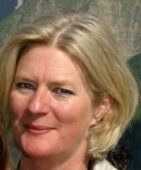
Sara Aicart-Pendlebury
Art Therapist, Human Givens Practitioner (HG.Dip.P), Member of Human Givens Institute, IFS therapist Levels 1&2, Narm Practitioner
Anxiety can be crippling and obvious. Or it can subtly sabotage our plans. Contact me for a free consultation on recognizing your feelings of anxiety, and applying anxiety management techniques. You are not an anxious person: you are person more susceptible to anxiety – but you can learn to hand it. We all need to experience some degree of anxiety at times – it would be unnatural not to feel any of its symptoms, such as racing pulse, dry mouth, sweatiness and shallow breathing, just before a big speech or exam, for instance – as it helps get us motivated to act. But excessive anxiety causes problems. Excessive anxiety may develop gradually, starting, perhaps, with loneliness after the loss of a loved one; being too shy to make new friends when moving somewhere new; experiencing unwelcome life changes because of chronic illness and pain; or feeling loaded down with too much responsibility – all cases of unmet emotional needs.
When people worry excessively, it is in essence because important emotional needs, such as for safety, connection or status, are not being met. That’s why the human givens approach, which focuses on helping people in distress find healthy ways to meet their emotional needs, is so effective.
For some people, anxiety can develop suddenly, after they are caught up in some tragic disaster, such as a fire or a crash, or are the victims of violence, and their lives become ruled by fear. (This is known as post-traumatic stress.) Anxiety may also take the form of obsessions, compulsions, phobias or a nagging feeling of foreboding – all of which are attempts to ward off a sense of threat.
Yet, as we know, some people face such circumstances without becoming overly anxious, while others end up almost crippled by anxiety. How we explain the negative events that happen to us has a considerable bearing on whether we are likely to suffer from excessive anxiety. Three particular types of thinking are especially connected with its development and its close partner, depression: how personally people take events (they think everything is their fault or that they didn’t get the job because they weren’t good enough, rather than because the competition was particularly stiff); how pervasive they think the effects will be (if they lose their job, they think everything in their world is going wrong, even though their relationship is still strong and they have their health, good friends, etc); and how permanent(they will never get another job, partner, dream house like that one, etc).
People who suffer badly from anxiety also tend to have a lot of negative thoughts running through their minds that they don’t even notice (“I’ll never cope”; “it’s going to be awful”; “no one likes me”) and commonly catastrophise (“I’m going to be late. My boss will sack me!”) Changing negative self-talk and challenging catastrophic thinking help lower stress levels.
Another major cause of troublesome anxiety is negative over-imagination. Anxious people tend to spend a lot of time worrying “What if?”, coming up with a whole variety of dreadful outcomes for themselves or their loved ones. This keeps them in a constant state of high emotional arousal and can take the extreme forms of phobias or obsessive-compulsive disorders. Learning to use the imagination positively – by calmly rehearsing mentally tried and tested techniques (such as deep breathing and distracting thoughts) for dealing with feared or worrisome situations – is very effective. Calming ourselves down, when anxious, is extremely important because high emotional arousal makes us stupid. We literally can’t think straight and that makes the situation worse.
Human givens practitioners can show people how to relax, so that they can bring their own arousal and stress levels down, and how to use their imaginations positively, to rehearse successful outcomes instead of bad ones. They can also help people overcome phobias, panic attacks and traumatic memories quickly and painlessly. And, very importantly, they will encourage people to find ways to reduce their stress and also focus outwards on fulfilling activities (maybe involving the wellbeing of others as well as themselves) – excellent ways of getting their own needs met.
17 Years Experience
Online in Otley, ENG

Anxiety
Dr George Booty. The PsychoTRAUMA Clinic (Convergence College of Psychotherapy)
Registered Psychotherapist, Dr, DPsych, MA Couns, MA Psych, PG Dip Spvn
I am able to help immediately with anxiety and fears - I have a separate seminar that deals with these issues too...
31 Years Experience
Online in Otley, ENG
Anxiety
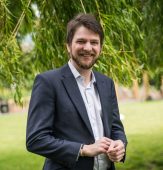
Dr Jacob Ellwood
Psychologist, PsychD, Cpsychol
I use an integrative approach (CBT and mindfulness) to help clients overcome anxiety and phobias. My stance is accepting and patient, and I encourage clients to bring compassion to themselves and their difficulties.
14 Years Experience
Online in Otley, ENG
Anxiety therapists in Otley, England, United Kingdom Statistics
Anxiety therapists in Otley, England, United Kingdom average 15 years of experience and charge around ¤114 per session. 100% offer online sessions. The most commonly treated issues are Anxiety or Fears (100%), Depression (82%), and Self Esteem (76%).
Average years in practice
15 Years Experience
Average cost per session
¤114
Gender ID
| 69% |
Female |
|
| 29% |
Male |
|
| 1% |
Non-Binary |
|
| 1% |
Gender Fluid |
|
Session Type
| 61% |
In Person and Online |
|
| 39% |
Online Only |
|
Top Specialties
| 100% | Anxiety or Fears |
| 82% | Depression |
| 76% | Self Esteem |
| 71% | Stress |
| 64% | Trauma and PTSD |
| 58% | Social Anxiety |
| 55% | Loss or Grief |