
Physical Touch as a Love Language
Touch may be one of the most underestimated forms of communication in a relationship. When couples come into my office feeling disconnected, they often assume the solution is going to be a complicated one. Maybe they need better communication skills. Maybe they need more date nights. Maybe they need to resolve a long-standing conflict that’s been sitting between them for years. While all of those things can be important, I often find that one of the most powerful tools for rebuilding connection has been available to them all along:
Physical touch.
Not grand romantic gestures.
Not elaborate plans.
Not even sex.
I’m talking about the small, everyday moments of connection that remind your partner, “I’m here. I see you. We’re okay.”
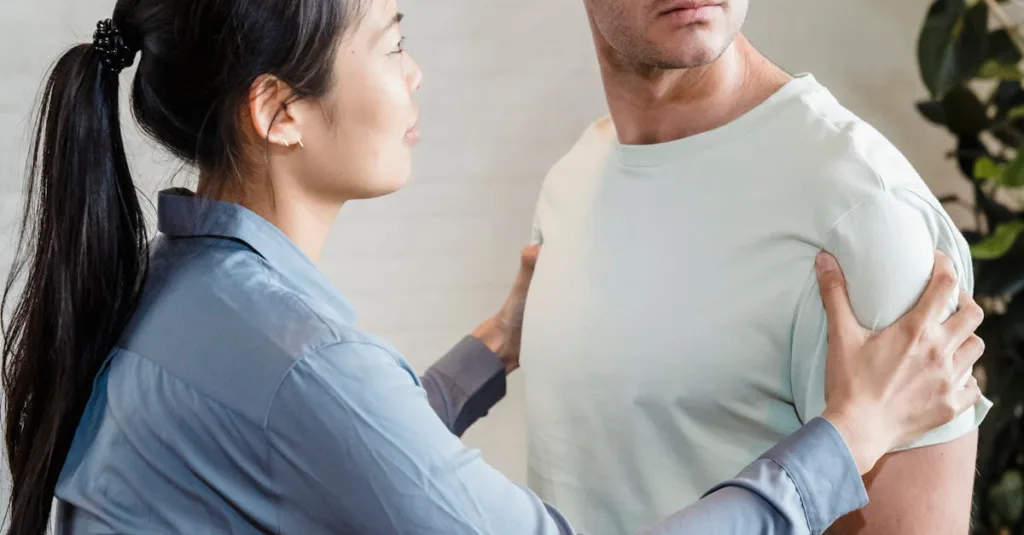
A hand on their shoulder when they’re stressed.
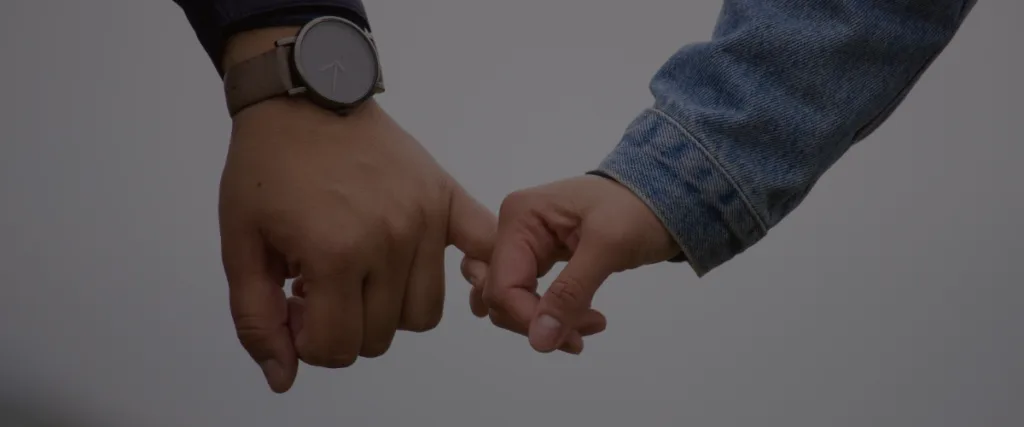
Holding hands while walking through a parking lot.
A hug before leaving for work.
Leaning into each other on the couch after a long day.
These moments may seem insignificant, but they often carry an emotional weight that words alone cannot.
The key, however, isn’t simply touching more.
The key is attunement.

Physical Touch Is About More Than Romance
One of the biggest misconceptions I see is that people equate physical affection exclusively with romance or sexual intimacy.
While physical affection can certainly be romantic, its deeper purpose is often emotional.
Touch has a unique ability to communicate comfort, reassurance, support, and safety.
Think about how naturally we reach for someone we love when they’re hurting. We hug grieving friends. We hold a child’s hand when they’re scared. We place a reassuring hand on someone’s back when they’re overwhelmed.
We instinctively understand that touching can communicate things words struggle to express.
Yet somewhere along the way, many couples stop using it as a form of everyday emotional connection and begin reserving it for specific moments or circumstances.
Over time, those missed opportunities can quietly create distance.
The Secret Isn’t More Touch—It’s More Attuned Touch
If there is one thing I wish more couples understood, it’s this:
The most meaningful touch isn’t about frequency.
It’s about understanding.
Many relationship articles encourage couples to hug more, kiss more, or hold hands more often. While those suggestions aren’t necessarily wrong, they can miss an important piece of the puzzle.
Not all touch feels connecting.
A hug when someone is overwhelmed may feel comforting—or it may feel intrusive.
Holding someone’s hand may feel reassuring—or it may feel like pressure if they’re emotionally flooded.
What creates connection isn’t the gesture itself.
It’s whether the gesture is attuned to the person receiving it.
Attunement means paying attention.
It means noticing your partner’s emotional state.
It means understanding their comfort level.
It means respecting their boundaries while still finding ways to express affection and care.
In many ways, attuned touch says:
“I care enough to understand what you need right now.”
And that’s what makes it so powerful.
Why Understanding Your Partner’s Touch Preferences Matters
One of the easiest ways couples unintentionally disconnect is by assuming their partner experiences affection the same way they do.
In reality, people have vastly different relationships with physical affection.
Some people feel deeply connected through frequent physical affection.
Others enjoy it but need more personal space.
Some seek physical closeness during difficult moments.
Others need a little time before they’re ready for connection.
None of these preferences are wrong.
The goal isn’t to convince your partner to experience touch the way you do.
The goal is curiosity.
I often encourage couples to ask questions such as:
- What types of touch help you feel loved?
- When do you feel most connected to me?
- What kinds of affection feel comforting?
- When do you prefer space?
- What makes touch feel meaningful rather than routine?
These conversations can be surprisingly eye-opening.
Many couples discover they’ve been making assumptions for years.
Small Moments Create Big Connection
We often think intimacy is built through major milestones.
Vacations.
Anniversaries.
Special celebrations.
And while those moments matter, I find that long-term connection is usually built in much smaller ways.
It’s built in the ordinary moments.
The goodbye kiss before work.
The quick hug in the kitchen.
The hand squeeze during a stressful conversation.
The decision to sit close instead of across the room.
These moments are easy to overlook because they seem small.
But relationships are often shaped by the accumulation of small experiences.
Just as emotional distance rarely happens overnight, emotional closeness is usually built one small moment at a time.
Why Some Couples Struggle With Physical Connection using Touch
When physical affection decreases, many couples assume something is wrong.
Sometimes there are deeper issues that need attention.
But often, the explanation is much simpler.
Life gets busy.
Stress increases.
Children require attention.
Work becomes demanding.
Energy becomes limited.
The challenge is that physical connection is often one of the first things to disappear when life feels overwhelming.
Unfortunately, it’s also one of the things we need most during those seasons.
This doesn’t mean couples need to force affection when they’re exhausted.
Rather, it means becoming more intentional about preserving moments of connection, even when life feels chaotic.
Just like I often tell couples that emotional intimacy shouldn’t be postponed until life slows down, physical connection shouldn’t be either.
Respecting Touch Boundaries Strengthens Connection
One of the most important aspects of attuned touch is understanding that affection and boundaries can coexist.
In fact, healthy boundaries often strengthen intimacy.
When people know their comfort levels will be respected, they tend to feel safer.
And when people feel safer, connection becomes easier.
Attuned touch isn’t about getting your partner to accept affection.
It’s about offering affection in a way that feels caring, welcome, and respectful.
The healthiest relationships are not built on obligation.
They’re built on mutual understanding.
You Don’t Need More Time—You Need More Presence
One thing I consistently see in couples counseling is the belief that connection requires large amounts of uninterrupted time.
While dedicated time together is valuable, meaningful connection often happens in moments.
A thirty-second hug.
A hand on a knee during dinner.
A warm greeting when your partner walks through the door.
These gestures don’t require a complete schedule overhaul.
They simply require presence.
And presence is often what we’re truly craving from one another.
Not perfection.
Not grand gestures.
Just the feeling that our partner is emotionally with us.
Physical Touch Is Ultimately About Emotional Safety
At its core, meaningful touch isn’t really about touch at all.
It’s about what the touch communicates.
Safety.
Acceptance.
Care.
Understanding.
Belonging.
When physical affection is rooted in attunement, it becomes one of the most powerful ways couples can nurture emotional intimacy.
Not because it’s dramatic.
But because it’s consistent.
And in healthy relationships, consistency is often far more impactful than intensity.
The couples who stay connected aren’t necessarily the couples who have the most time, the least stress, or the fewest challenges.
They’re often the couples who continue finding small ways to say:
“I’m here.”
“I see you.”
“We’re still a team.”
Sometimes that message comes through words.
And sometimes, it comes through a simple touch that says everything that needs to be said.
Frequently Asked Questions
Why is physical touch important in a relationship?
Physical touch can help create emotional safety, reduce stress, reinforce affection, and strengthen a couple’s sense of connection. When touch is attuned to a partner’s needs and comfort level, it often deepens emotional intimacy.
What does attunement mean in a relationship?
Attunement is the ability to recognize and respond to your partner’s emotional experience. It involves paying attention to their feelings, needs, and nonverbal cues so they feel understood and supported.
Can a relationship survive without physical touch?
Every relationship is unique, but physical affection is often an important component of emotional connection. If physical touch has significantly decreased, it may be helpful for couples to explore what’s contributing to the shift.
What if my partner and I have different comfort levels with touch?
Differences in touch preferences are incredibly common. The goal isn’t to change your partner’s preferences but to understand them and find ways of connecting that feel comfortable and meaningful for both people.
How can busy couples stay physically connected through touch?
Small moments matter. A hug before work, holding hands during a walk, sitting close together, or offering a reassuring touch during a stressful moment can all help maintain connection even during busy seasons.
When should couples seek therapy for intimacy and connection issues?
If emotional distance, recurring misunderstandings, or difficulties with affection and intimacy are creating strain in the relationship, couples counseling can provide a supportive space to better understand each other’s needs and rebuild connection.
Final Thoughts
Physical touch is one of the most overlooked forms of emotional communication in relationships.
Not because couples don’t care about each other.
But because it’s easy to forget how powerful small moments can be.
The most meaningful touch isn’t necessarily the most frequent. It’s the touch that communicates understanding, respect, warmth, and presence.
When couples learn to approach physical affection with curiosity and attunement, they often discover that connection isn’t something they have to chase.
It’s something they can create in the ordinary moments they’re already sharing.
And sometimes, those ordinary moments become the ones that matter most. Learn the 10 ways to express love uusing touch here.
Ready to Strengthen Your Relationship and Communicate Properly?
Healthy relationships aren’t built on avoiding difficult conversations—they’re built on partners who are willing to communicate with honesty, empathy, and respect.
If you and your partner are struggling to express your needs, navigate recurring conflicts, or reconnect emotionally, professional support can help you develop the tools needed for healthier, more meaningful communication.
You don’t have to figure it out alone. Learn more on Relationship Counseling and Therapy!
Take the first step toward a stronger, more connected relationship by scheduling a consultation today. Together, you can learn how to communicate openly, listen with compassion, and create the trust and intimacy your relationship deserves.
Contact Marina today to start building a healthier, happier partnership—one conversation at a time. ❤️
Schedule Your Consultation
📞 Call: (818) 851 1293
📧 Email: marina@marinaedelman.com
Because every great relationship begins with understanding—and every meaningful conversation is an opportunity to grow closer.