Emotional Abuse therapists in March, England
Browse Emotional Abuse therapists in March, England, United Kingdom. Compare credentials, specialties and therapeutic approach. Contact a therapist to learn more.
View nearby cities
Emotional Abuse
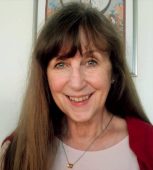
Adima Hawkes
Counsellor/Therapist, Psychotherapist, Spiritual Teacher, Gene Keys Guide, Trainer Tibetan Acupressure & Iridology
Emotional abuse has many faces and forms, and these can be especially subtle. Having experienced abuse in various ways myself has motivated me to understand and learn how to self-regulate and transform the obstruction and the freeze. This makes me a useful support to others. I am specialist with narcissistic and psychopathic patterns and the subtleties involved in the constellation of all kinds of relationships, personal or professional.
30 Years Experience
Online in March, England

Emotional Abuse
Natalie Jane - Narcissistic Abuse & Relationship Recovery Counsellor
Counsellor/Therapist
Emotional abuse often leaves no visible marks but can shake your sense of who you are. As a narcissistic abuse specialist, I help clients recognise gaslighting and trauma bonds, quieten the inner critic and reconnect with their own voice and boundaries.
4 Years Experience
Online in March, England (Online Only)

Emotional Abuse
Dr George Booty. The PsychoTRAUMA Clinic (Convergence College of Psychotherapy)
Registered Psychotherapist, Dr, DPsych, MA Couns, MA Psych, PG Dip Spvn
Emotional Abuse Therapy is used to help many sufferers to get past the Traumas of abuse felt in violence and / or neglect in childhood. There is much to say and do in this area to help.
31 Years Experience
Online in March, England
Emotional Abuse
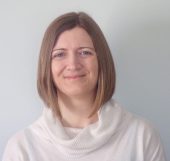
Alison Edwards FMBPsS Psychologist, Supervisor & ADHD Specialist
Psychologist, FMBPsS, MA (Hons), MSc, CertCouns, MSc, CBT/ ACT/ CFT/ SFBT Therapist
I provide counselling for clients experiencing emotional abuse, coercion or control issues at home, at work or their place of worship. I also support clients with issues around workplace bullying, stalking, harassment, relationship breakdown, separation and divorce.
I'm experienced in working with clients in same-sex relationships. I've taken specialised training on domestic abuse in LGBT+ relationships and I'm currently working towards accreditation as a GSRD Therapist.
I'm also experienced in supporting clients who have left their church or organised religion following emotional abuse.
18 Years Experience
Online in March, England (Online Only)
Emotional Abuse
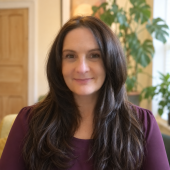
Samantha Coleman
Therapist, MBACP Prof Dip
Emotional abuse can be deeply damaging, even when there are no visible signs on the outside. It can involve manipulation, control, criticism, intimidation, gaslighting, humiliation, or repeated experiences of feeling diminished or psychologically trapped. My approach focuses on understanding the impact of these experiences, processing what has happened, and rebuilding a stronger sense of self, clarity, and emotional safety.
13 Years Experience
Online in March, England
Emotional Abuse therapists in March, England Statistics
Emotional Abuse therapists in March, England average 14 years of experience and charge around ¤145 per session. 100% offer online sessions. The top treatment approaches are Cognitive Behavioral Therapy (CBT) (62%), Person-Centered Therapy (Rogerian) (57%), and Integrative Therapy (51%).
Average years in practice
14 Years Experience
Average cost per session
¤145
Accept insurance
30%
Offer sliding scale
51%
Gender ID
| 76% |
Female |
|
| 17% |
Male |
|
| 5% |
Gender Fluid |
|
| 2% |
Non-Binary |
|
Session Type
| 54% |
In Person and Online |
|
| 46% |
Online Only |
|
Top Treatment Approaches
| 62% | Cognitive Behavioral Therapy (CBT) |
| 57% | Person-Centered Therapy (Rogerian) |
| 51% | Integrative Therapy |
| 51% | Somatic Therapy |
| 41% | Existential / Humanistic Therapy |
| 41% | Psychodynamic Therapy |
| 35% | Behavioral Therapy |
Ages Served
| 100% | Adult |
| 84% | Young Adult |
| 68% | Senior |
| 59% | Teen |
| 27% | Children |
Client Focus
| 76% | Women |
| 59% | LGBTQ+ |
| 59% | Men |
| 41% | Black / African American |
| 41% | Buddhist |