Depression therapists in Fredericton, NB
Browse Depression therapists in Fredericton, New Brunswick, Canada. Compare credentials, specialties and therapeutic approach. Contact a therapist to learn more.
View nearby cities

Depression
Marg Totten Counselling Therapy
Licensed Mental Health Counsellor, MA, MPCC, CPCC, LCT
TImes of depression can be extremely debilitating, and can be due to both biological and situational factors, or nature/nurture. Negative thinking and self-criticalness are unfortunately, common symptoms of depressive disorders, which can make taking action feel even more difficult. A proven solution to some depressive disorders involves taking small steps forward into action, grounding routines that bring a sense of achievement, connection and comfort/enjoyment, and healthier thinking. Spiritually, these can also be times of change or transition called "dark nights of the soul" where having a compassionate a guide accompany you in the journey to new purpose and meaning can be helpful. It would be my honor to assist you in exploring self-defeating thinking patterns and "reframing" your thinking to have it be more rational and empowering.
17 Years Experience
Online in Fredericton, NB (Online Only)

Depression
Zain Abideen
Registered Psychotherapist, Registered Psychotherapist , BSc, MACP
Depression can feel like a loss of motivation, energy, and connection to life. In therapy we work to understand the patterns and experiences contributing to these feelings while developing practical strategies to rebuild momentum, purpose, and emotional balance.
2 Years Experience
Online in Fredericton, NB (Online Only)

Depression
Calgary Mental Health & Wellness Centre
Psychologist
Depression is more than just being sad or unmotivated. We are here to help, we can support you in understanding more about depression and why you feel the way you do and strategies to manage the symptoms so you can begin to feel better.
9 Years Experience
Online in Fredericton, NB
Depression
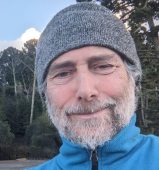
Lincoln Stoller
Counsellor/Therapist, PhD, CHt, CCPCP
Depression is straightforward: it's a delusion. Being distressed is a circumstantial condition, feeling hopeless is an attitude, but being depressed is a state of self destruction. The circumstances may be real and your attitude reasonable, but you need to be rid of the self-destructive energy of depression. Unlike other strategies which offer coping or secondary benefits, depression offers no benefit.
The first step in addressing depression is to recognize it as a kind of disease. This provides no relief, but it can be the foundation of your commitment to change. You must realize that you can overcome depression and that you deserve to. In my experience, depression rests on low self esteem. This is hard to see when you are depressed, but it's not hard to see for those who know you well. Depressed people typically have spent their lives compensating and, as a result, are often highly accomplished.
I had bouts of depression as a graduate student and my father, a successful photographer, struggled with depression after retirement. My seriously depressed clients have all been older people whose problems are compounded by feelings of aimlessness and lack of relevance.
I have found talk therapy to be of little help with depression. Conversation can temporarily lighten a person's mood, but this has no enduring benefit.
Hypnotherapy has proven to be beneficial because it can address issues of identity, value, purpose, and meaning. Psychedelics have also been reported beneficial, but the types of depression to which this applies as well as the nature of the support that's required remain unclear.
Brain training plays a large and typically unrecognized role, and this is a pity. The fact that neither cognitive redirection nor pharmaceutical intervention relieve clinical depression indicates that depression has a strong neurological component. I combine rational-emotive therapy with brain training. This training IS broadly useful in achieving balance and it's inexpensive, effective, simple, easy, painless, and has no side effects. It involves different configurations of transcranial electrical stimulation that you cannot feel but your brain can perceive. Tools of this sort are overlooked because practitioners in the psycho-therapeutic community have generally no knowledge of the brain's role in psychological conditions.
I've worked for almost three decades following research and therapy in brain training. I've worked with the best engineers and clinicians in the fields of EEG neurofeedback and diagnosis. Despite the dramatic evidence of positive effect, brain training has gotten little attention, is not taught, and continues to be under-utilized and overlooked. It seems to require a level of technical, medical, mathematical, and therapeutic skill that does not yet exist in the psycho-therapeutic field. There are sadly few therapists like myself who are able to effectively address depression using these tools.
Finally, the circumstances that maintain depression take time and effort to change. Many people lack the resolve to change their circumstances, and being depressed limits them further. In addition to education, training, and healing, a depressed person needs support and encouragement. Depression is curable, but it takes a therapist who is more skilled than most.
21 Years Experience
Online in Fredericton, NB

Depression
Dr. Devina Daya
Psychologist, Ph.D., C. Psych
I provide a compassionate and structured approach to treating depression, empowering clients to regain emotional balance and cope with low motivation and negative thought patterns.
5 Years Experience
Online in Fredericton, NB
Depression therapists in Fredericton, NB Statistics
Depression therapists in Fredericton, NB average 13 years of experience and charge around $169 per session. 100% offer online sessions. The top treatment approaches are Cognitive Behavioral Therapy (CBT) (71%), Person-Centered Therapy (Rogerian) (53%), and Emotionally Focused Therapy (EFT) (43%).
Average years in practice
13 Years Experience
Average cost per session
$169
Accept insurance
75%
Offer sliding scale
62%
Gender ID
| 69% |
Female |
|
| 29% |
Male |
|
| 1% |
Gender Fluid |
|
| 1% |
Non-Binary |
|
Session Type
| 68% |
In Person and Online |
|
| 32% |
Online Only |
|
Top Treatment Approaches
| 71% | Cognitive Behavioral Therapy (CBT) |
| 53% | Person-Centered Therapy (Rogerian) |
| 43% | Emotionally Focused Therapy (EFT) |
| 43% | Internal Family Systems (IFS) |
| 41% | Solution-Focused Brief Therapy (SFBT) |
| 40% | Existential / Humanistic Therapy |
| 35% | Dialectical Behavior Therapy (DBT) |
Ages Served
| 100% | Adult |
| 74% | Young Adult |
| 63% | Senior |
| 51% | Teen |
| 15% | Children |
Client Focus
| 65% | Women |
| 54% | Men |
| 46% | LGBTQ+ |
| 44% | Christian |
| 37% | Buddhist |