Social Isolation therapists in March, England
Browse Social Isolation therapists in March, England, United Kingdom. Compare credentials, specialties and therapeutic approach. Contact a therapist to learn more.
View nearby cities

Social Isolation
Tricia Bernard-Hector
Counsellor/Therapist, BSc (Hons), MBACP
Feeling isolated can be deeply painful, leaving you longing for connection but unsure how to create it. I offer a supportive space to explore the factors contributing to your isolation and to foster self-acceptance. Together, we can uncover ways to build authentic and fulfilling relationships.
4 Years Experience
Online in March, England (Online Only)

Social Isolation
Natalie Jane - Narcissistic Abuse & Relationship Recovery Counsellor
Counsellor/Therapist
Loneliness can follow a break-up, bereavement, a move or years in a controlling relationship. I offer warm, steady connection in sessions and help you take small, manageable steps towards rebuilding friendships and a sense of belonging.
4 Years Experience
Online in March, England (Online Only)

Social Isolation
Dr George Booty. The PsychoTRAUMA Clinic (Convergence College of Psychotherapy)
Registered Psychotherapist, Dr, DPsych, MA Couns, MA Psych, PG Dip Spvn
Loneliness is quite difficult and can be mentally damaging - thinking of imprisonment in isolation and brainwashing techniques this can be tortuous for many. Support in relationship is so important for many to experience and we are there to offer that help and support. to offer relationship and a friend in need to the lost and disenfranchised. simply caring.
31 Years Experience
Online in March, England

Social Isolation
Alison Edwards FMBPsS Psychologist, Supervisor & ADHD Specialist
Psychologist, FMBPsS, MA (Hons), MSc, CertCouns, MSc, CBT/ ACT/ CFT/ SFBT Therapist
I have worked with a lot of clients who became very socially isolated during the Covid pandemic, and who have struggled to get back to socialising again after lockdowns. Many clients have had problems with social anxiety/ social phobia or depression before Covid, and some clients have new anxieties, fears and phobias due to the pandemic, lockdown and family challenges. I provide Cognitive Behaviour Therapy which is the recommended psychological therapy for social anxiety/ social phobia and depression. I can also provide CBT for traumas and PTSD.
18 Years Experience
Online in March, England (Online Only)
Social Isolation
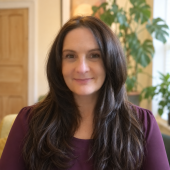
Samantha Coleman
Therapist, MBACP Prof Dip
Social isolation can be deeply painful and can affect confidence, mood, self-worth, and your sense of belonging in the world. It may develop gradually through anxiety, depression, trauma, burnout, life changes, or repeated experiences of feeling misunderstood. My approach is compassionate and non-judgemental. I work with clients to understand what may be contributing to the isolation, while helping them rebuild confidence, connection, and a greater sense of possibility.
13 Years Experience
Online in March, England
Social Isolation therapists in March, England Statistics
Social Isolation therapists in March, England average 14 years of experience and charge around ¤123 per session. 100% offer online sessions. The top treatment approaches are Integrative Therapy (67%), Person-Centered Therapy (Rogerian) (61%), and Cognitive Behavioral Therapy (CBT) (55%).
Average years in practice
14 Years Experience
Average cost per session
¤123
Accept insurance
33%
Offer sliding scale
42%
Gender ID
| 75% |
Female |
|
| 22% |
Male |
|
| 3% |
Gender Fluid |
|
Session Type
| 61% |
In Person and Online |
|
| 39% |
Online Only |
|
Top Treatment Approaches
| 67% | Integrative Therapy |
| 61% | Person-Centered Therapy (Rogerian) |
| 55% | Cognitive Behavioral Therapy (CBT) |
| 42% | Existential / Humanistic Therapy |
| 42% | Psychodynamic Therapy |
| 30% | Emotionally Focused Therapy (EFT) |
| 30% | Hypnotherapy |
Ages Served
| 100% | Adult |
| 64% | Senior |
| 64% | Young Adult |
| 42% | Teen |
| 21% | Children |
Client Focus
| 70% | Women |
| 45% | Men |
| 42% | Christian |
| 42% | LGBTQ+ |
| 39% | Black / African American |