Stopping Smoking therapists in Durham, NC
Browse Stopping Smoking therapists in Durham, North Carolina. Compare credentials, specialties and therapeutic approach. Contact a therapist to learn more.
View nearby cities
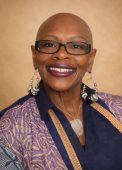
Smoking
Monica S. Scarborough, CCHt.
Hypnotherapist, Certified Clinical Hypnotherapist CCHt, C.L.C, C.S.C., ORDM, Author
We will help you quit smoking for good. Whether you want to reduce your cravings, cope with stress, or address the underlying causes of your addiction, we can help you with our personalized and effective hypnotherapy sessions get to the root of why you smoke. Hypnotherapy is a safe and natural way to access your subconscious mind and change your habits, beliefs, and emotions. By using hypnosis, you can overcome the psychological barriers that keep you hooked on nicotine and enjoy a healthier and happier life.
4 Years Experience
Online in Durham, NC (Online Only)
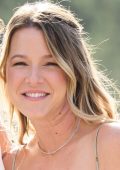
Smoking
Kelli Tahaney
Psychologist, Licensed Clinical Psychologist, Ph.D.
I apply Motivational Interviewing as well as harm reduction approaches in helping individuals quit or cut back smoking and/or vaping.
5 Years Experience
Online in Durham, NC

Smoking
Mary Knoblock, DNH
Hypnotherapist, DNH, RTT Practitioner, Hypnotist, Holistic Naturopath Practitioner, Spiritual Counselor
With the use of RTT and hypnosis we work together to take you through a session that will uncover your triggers and root cause of smoking. Then through Hypnosis, you work to get rid of the smoking causes and set new patterns for a new life without smoking.
11 Years Experience
Online in Durham, NC (Online Only)
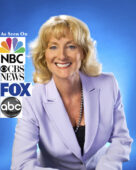
Smoking
Mindy Ash Hypnosis Centers in Las Vegas and Hypnosis in Henderson Nevada
Hypnotherapist, Clinical Hypnotherapy Instructor, Hypnotherapist, NLP Practitioner, EQ Coach, Master Business Coach, Author
I specialize in stopping smoking through powerful hypnosis techniques. Our personalized sessions target the root causes of your smoking habit, helping to rewire your subconscious mind for lasting change. With a supportive environment and expert guidance, you can break free from the smoking habit and embrace a healthier lifestyle.
20 Years Experience
Online in Durham, NC

Smoking
Candace Plattor
Drug and Alcohol Counselor, M.A. in Counselling Psychology from Adler University
Many addicts are smokers, and we know how to help you stop when you are ready to do that.
35 Years Experience
Online in Durham, NC (Online Only)
Durham is home to Duke University and Duke University Medical Center, one of the leading psychiatric research and treatment centers in the country — an institution that deeply shapes the quality and sophistication of the local therapy community. The Research Triangle's concentration of academics, researchers, and healthcare professionals creates demand for therapists with intellectual depth and experience with high-achievement anxiety, identity work, and the stresses of competitive knowledge-economy careers. Durham also has a vibrant Black community with deep historical roots, and therapists offering culturally affirming care, racial identity work, and intergenerational trauma support are well represented. The city's progressive culture sustains strong demand for LGBTQ+-affirming therapists, and many practitioners integrate social-justice-informed approaches across their work.
Stopping Smoking therapists in Durham, NC Statistics
Stopping Smoking therapists in Durham, NC average 13 years of experience and charge around $228 per session. 100% offer online sessions. The top treatment approaches are Cognitive Behavioral Therapy (CBT) (52%), Behavioral Therapy (43%), and Hypnotherapy (38%).
Average years in practice
13 Years Experience
Average cost per session
$228
Accept insurance
24%
Offer sliding scale
38%
Gender ID
| 72% |
Female |
|
| 24% |
Male |
|
| 4% |
Non-Binary |
|
Session Type
| 71% |
Online Only |
|
| 29% |
In Person and Online |
|
Top Treatment Approaches
| 52% | Cognitive Behavioral Therapy (CBT) |
| 43% | Behavioral Therapy |
| 38% | Hypnotherapy |
| 33% | Biopsychosocial Therapy |
| 33% | Compassion-Focused Therapy (CFT) |
| 33% | Solution-Focused Brief Therapy (SFBT) |
| 29% | Emotionally Focused Therapy (EFT) |
Ages Served
| 95% | Adult |
| 81% | Young Adult |
| 71% | Senior |
| 48% | Teen |
| 29% | Children |
Client Focus
| 52% | Military / Veterans |
| 52% | Persons with Disabilities |
| 48% | Women |
| 43% | Christian |
| 43% | LGBTQ+ |