PTSD Treatment and Therapy

What is PTSD?
Post-traumatic stress disorder (PTSD) is a psychiatric disorder that can occur in people who have experienced or witnessed a traumatic event such as a natural disaster, severe accident, terrorist attack, war, rape, or other violent personal assault (American Psychiatric Association [APA], 2025). The typical psychological response to a traumatic experience is shock or acute stress. However, people with PTSD have intense, disturbing thoughts and feelings related to their experience that last long after the traumatic event has ended. They relive the event through flashbacks or nightmares. They also may feel sadness, numbness, fear, or anger, and they may feel detached or estranged from other people. For a diagnosis of PTSD, symptoms must last more than a month and cause significant distress or problems in daily life (APA, 2025).
Living with PTSD can create many emotional challenges; in some cases, these may be so severe that your health is negatively affected. Right after a trauma, many people feel disoriented and unable to make sense of what is happening around them. However, as the mind begins to process the traumatic situation, these symptoms typically become less severe and gradually start to lift. When symptoms don’t ease, it is important to reach out for help and find effective treatment.
The good news is that most people who go through a traumatic event do not develop PTSD (APA, 2025). However, when it comes to PTSD, a person can remain in a state of mental shock for a long time. If this happens, symptoms can last a year or longer (National Institute of Mental Health [NIMH], 2023). Symptoms usually begin within 3 months of the trauma, but they sometimes appear later, even years after the event (Mayo Clinic Staff, 2024; NIMH, 2023).
PTSD affects millions of people (NIMH, 2023). About 6% of people in the US will have PTSD at some point in their lives, and women are about twice as likely as men to develop it (National Center for PTSD, 2026b). Genes may make some people more likely to develop PTSD, and having blood relatives with PTSD or depression raises the risk (Mayo Clinic Staff, 2024; NIMH, 2023). One of the major concerns for most medical providers is that, like many other mental health conditions, PTSD is often accompanied by depression, substance use problems, or anxiety disorders (NIMH, 2023). This can negatively affect the quality of life for any person with PTSD, so treating all co-occurring conditions is essential.
Symptoms of PTSD
PTSD symptoms can create significant problems for a person in their personal life. Symptoms can seem to appear suddenly and unexpectedly. For example, hearing a loud noise, seeing a specific image, or smelling a scent can bring back memories of the traumatic event. Below are some common symptoms shared by people with PTSD:
- Feelings of stress or fear when reminded of the traumatic experience that may even lead to panic attacks.
- Re-living the event in the form of flashbacks that can appear at any time of the day or night.
- Experiencing nightmares of the event.
- Experiencing fear and worry that may impact your ability to complete daily tasks, care for your family, or hold down a job.
- Avoiding specific situations that are associated with the trauma.
- Not enjoying life as much as before the trauma and continually feeling detached or emotionally numb.
- Consistently having difficulty concentrating at work or doing simple tasks at home and being easily startled throughout the day.
- Showing out-of-control bursts of anger or becoming violent.
- Constantly being on the alert for danger.
- Frequently being more isolated due to fear of leaving the home and getting out into the world.
- Experiencing physical symptoms such as headaches, migraines, nausea, racing heart, difficulty breathing, chest pain, and dizziness.
- Withdrawal from activities that were once pleasurable and added to your quality of life.
- Thoughts of harming yourself or someone else.
- Loss of appetite, which may lead to significant weight loss.
- Failing to take care of your health and body.
PTSD Treatment Options
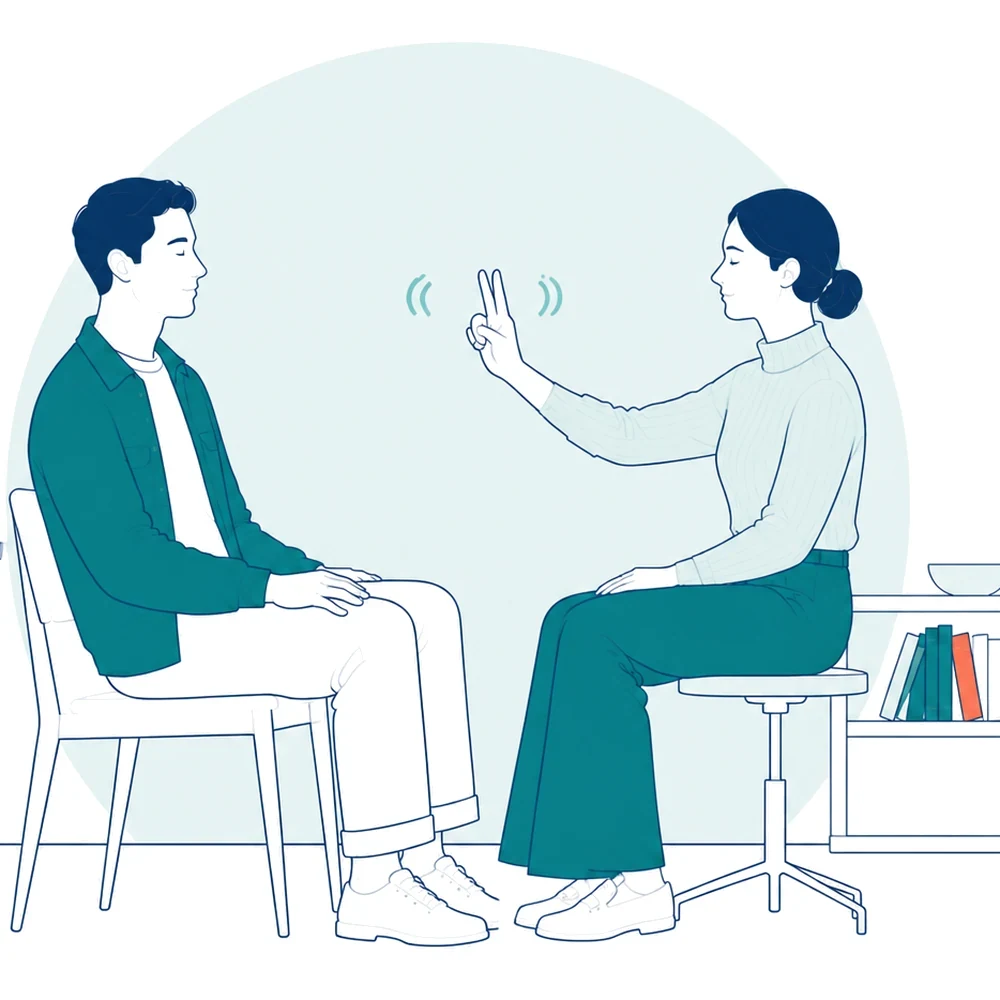
Many people with PTSD respond well to treatment.
Using the most effective treatment methods is key to returning to your regular life. The main treatments are psychotherapy, medication, or both (NIMH, 2023).
Medication
Several medications can help, and your doctor or psychiatric prescriber will be the best resource for guiding you to the proper medication. Some medicines that are helpful in treating PTSD include:
- Antidepressants (SSRIs and SNRIs), such as sertraline, paroxetine, and venlafaxine (Schnurr et al., 2024)
- Medications for nightmares and sleep problems, such as prazosin (APA, 2025)
Depression and anxiety commonly accompany PTSD, and prescription drugs may assist you in better dealing with the symptoms. However, remember that any medication you take will not entirely relieve you of PTSD. It may take trial and error before finding the best prescription drug to manage PTSD better. For most adults, trauma-focused psychotherapy is recommended first, and medication can be added or used when therapy isn’t available or isn’t enough (Schnurr et al., 2024).
Psychotherapy
Several types of psychotherapy can help people overcome PTSD. Trauma-focused therapies such as cognitive processing therapy, prolonged exposure, and EMDR have the strongest research support (Schnurr et al., 2024). Common approaches include:
Cognitive Behavioral Therapy (CBT)
One of the most effective ways to cope with the negative thoughts that commonly accompany PTSD is CBT. CBT will encourage you to change your thought process to a more balanced and realistic way of thinking. Over time, this can help you be in a better mood and may reduce your PTSD symptoms. You can typically expect to enroll in a 12-week treatment program to get the most benefits from CBT. Sessions may last 60 to 90 minutes, so it helps to plan ahead and commit to your therapy.
Prolonged Exposure Therapy (PE)
With PE, you will work on confronting whatever has been bothering you due to the traumatic event. This work to ease your symptoms can help you to lead a happier and healthier life. During PE, you will make a list of situations you fear, which often remind you of the traumatic event. You will gradually begin exposing yourself to your fears through guidance from your therapist. You will also revisit the memory of the trauma in a gradual, controlled way during sessions (APA, 2025). Your therapist will also encourage you to focus on your breathing to enable you to feel better and cope while working through your fears.
Cognitive Processing Therapy (CPT)
Cognitive processing therapy is a trauma-focused therapy that helps you notice and change painful beliefs about the trauma, such as blaming yourself or feeling that you can never be safe again. With your therapist, you look at how these “stuck points” affect your feelings and daily life, often using short worksheets between sessions, and practice more balanced ways of thinking about what happened. CPT usually runs about 12 weekly sessions and is one of the therapies with the strongest research support for PTSD (Schnurr et al., 2024).
Stress Inoculation Training (SIT)
This psychotherapy method can last a few months. SIT is not trauma-focused, and guidelines suggest it mainly when trauma-focused therapy isn’t available or isn’t a good fit (Psychological Health Center of Excellence [PHCoE], 2019). SIT teaches coping skills such as relaxation, problem-solving, and positive self-talk that may help relieve your stress (PHCoE, 2019). It’s common to do SIT with a group of people who also have PTSD; this way, you can share as little or as much as you’d like about the details of your experience.
EMDR Therapy
This is an integrative approach to psychotherapy that has grown in popularity in recent years because research shows it can be effective for PTSD (Schnurr et al., 2024). EMDR can play a significant role in helping people heal from past traumas and the symptoms of those traumas by helping to access the trauma memories and reprocessing them in a way that decreases their negative impact.
What to Expect in PTSD Therapy
The first few sessions of trauma therapy usually focus on getting to know you and building a sense of safety, not on retelling the trauma. Your therapist will ask about your symptoms, what you hope to change and who supports you, and will teach grounding and coping skills you can use when memories or feelings become overwhelming.
You decide how much to share and when, and work on the trauma memory itself begins only when you feel ready and have tools to manage difficult moments. Ultimately you will learn how trauma affects you and your nervous system, and create a daily practice to build a new response to triggers and everyday stress.
How Long Does PTSD Treatment Take?
Most trauma-focused talk therapies for PTSD last about 8 to 16 sessions (National Center for PTSD, 2026e). Cognitive processing therapy usually takes 12 weekly sessions, and prolonged exposure usually takes 8 to 15 weekly sessions, so many people finish in about 3 months (National Center for PTSD, 2026a, 2026c). Some people notice changes within the first few sessions, while others need more time, especially after repeated or long-lasting trauma. If you take medication for PTSD, its benefits usually last only while you keep taking it (National Center for PTSD, 2026e).
Self-Help Strategies for PTSD
There are strategies that you can do on your own to help with PTSD. Incorporating various techniques into your daily life can be helpful and enable you to feel better in both the short and long term. Some self-care strategies that you can try include:
A Healthy Diet: The foods you eat daily tremendously impact your health and well-being. Incorporating nutritious foods low in fat and sugar may help support your mood. Be sure to choose more servings of fruits, vegetables, and lean meats rather than sweets and highly processed foods. If eating has become a struggle, or you notice disordered eating patterns, see our article on eating disorders.
Join a Support Group: Communicating with individuals going through the same things helps you feel like you’re not alone. Human connection is so important when you’re struggling. Find a community of people you can reach out to and communicate with routinely.
Start an Exercise Routine: One of the best things you can do for your physical and mental well-being is to be more active. Taking the time to go for a long walk or going to the gym can help release endorphins, which can quickly boost your mood. Be sure to work towards a routine that you enjoy and that will help you stay active.
Keep a Journal: Working to identify your feelings and what may trigger negative emotions when living with PTSD is something you should consider doing. Journaling regularly will give you the best results.
Try Mindfulness or Meditation: Mindfulness practices, such as focusing on your breath or noticing sounds and sensations around you, can help you stay grounded in the present when memories or worry pull you back. A structured program called mindfulness-based stress reduction (MBSR) may help ease PTSD symptoms when used alongside trauma-focused therapy, not in place of it (PHCoE, 2025). Start with a few minutes at a time, and if sitting with your thoughts brings up distressing memories, open your eyes, move your body, or talk with your therapist about a trauma-sensitive approach.
Create Daily Affirmations: Have a list of positive and affirming statements you can say out loud each day. This may help you feel stronger and more able to cope with the symptoms of PTSD. You may also find yourself repeating these affirmations as the day goes on. Repeating affirmations may feel forced or unnatural, but it can be beneficial over time.
If you’re in crisis or thinking about suicide, call or text 988 (US and Canada), or see our crisis helplines for other countries. Veterans can dial 988 and press 1 for the Veterans Crisis Line. If you have experienced sexual assault, the RAINN National Sexual Assault Hotline (800-656-4673) offers free, confidential support.
Finding a Therapist for PTSD or Trauma
You can live a full, meaningful life with PTSD, and working with a licensed professional who specializes in trauma is often the key. Many therapists offer sessions in person or online, so you can choose what feels most comfortable.
Search TherapyTribe to find a qualified PTSD therapist in your area or online in your state.
PTSD FAQs
What is the most effective treatment for PTSD?
Trauma-focused psychotherapies have the strongest research support and are recommended first for most adults, especially cognitive processing therapy (CPT), prolonged exposure (PE) and EMDR (Schnurr et al., 2024). Medications such as sertraline, paroxetine and venlafaxine can also help, particularly when therapy isn’t available or isn’t enough (Schnurr et al., 2024).
Can PTSD be cured?
PTSD is treatable, and many people improve a great deal with trauma-focused therapy (National Center for PTSD, 2026e; Schnurr et al., 2024). For some, symptoms ease to the point that they rarely get in the way of daily life; others still notice some symptoms that are milder and easier to manage. Because results differ, talk with your therapist about realistic goals and check your progress together.
How is complex PTSD treated?
Complex PTSD (CPTSD) is listed in the World Health Organization’s ICD-11, though not in the DSM-5. It includes PTSD symptoms plus lasting problems with managing emotions, self-image and relationships, often after long-lasting or repeated trauma such as childhood abuse (Larsen, 2026). Treatment usually builds on the same trauma-focused therapies used for PTSD, and therapists often spend more time early on building skills for handling strong emotions and feeling safe with others. A therapist experienced in complex trauma can help you decide on the pace.
How can I calm down during a PTSD flashback?
Grounding skills can bring your attention back to the present: name things you can see and hear around you, press your feet into the floor, hold something cold, or slow your breathing. The free PTSD Coach app from the VA’s National Center for PTSD includes tools for managing stress symptoms and trauma reminders (National Center for PTSD, 2026d). If flashbacks happen often, a trauma-focused therapist can help you reduce them over time.
Trauma and PTSD therapists in Top Cities
- Toronto
- Los Angeles
- Chicago
- New York City
- Dallas
- Denver
- Vancouver
- Houston
- Calgary
- Seattle
- London
- San Diego
- Ottawa
- Hamilton
- Manhattan
- San Francisco
- Atlanta
- San Antonio
- Mississauga
- Austin
- Philadelphia
- Raleigh
- Boston
- Oakville
- Minneapolis
- Phoenix
- Pickering
- Charlotte
- Sydney
- Tampa
- North York
- Burlington
- Columbus
- Washington
- Victoria
- Miami
- Scottsdale
- Melbourne
- Pittsburgh
- Portland
- Brooklyn
- Bethesda
- London
- Markham
- Nashville
- Salt Lake City
- Fort Lauderdale
- Oshawa
- Saint Louis
- Ann Arbor
References
American Psychiatric Association. (2025, March). What is posttraumatic stress disorder (PTSD)? https://www.psychiatry.org/patients-families/ptsd/what-is-ptsd
Larsen, S. E. (2026, September). Complex PTSD: History and definitions. National Center for PTSD, U.S. Department of Veterans Affairs. https://www.ptsd.va.gov/professional/treat/essentials/complex_ptsd.asp
Mayo Clinic Staff. (2024, August 16). Post-traumatic stress disorder (PTSD): Symptoms and causes. Mayo Clinic. https://www.mayoclinic.org/diseases-conditions/post-traumatic-stress-disorder/symptoms-causes/syc-20355967
National Center for PTSD. (2026a, September 25). Cognitive processing therapy (CPT) for PTSD. U.S. Department of Veterans Affairs. https://www.ptsd.va.gov/understand_tx/cognitive_processing.asp
National Center for PTSD. (2026b, September 25). How common is PTSD in adults? U.S. Department of Veterans Affairs. https://www.ptsd.va.gov/understand/common/common_adults.asp
National Center for PTSD. (2026c, September 25). Prolonged exposure (PE) for PTSD. U.S. Department of Veterans Affairs. https://www.ptsd.va.gov/understand_tx/prolonged_exposure.asp
National Center for PTSD. (2026d, April 21). PTSD Coach. U.S. Department of Veterans Affairs. https://www.ptsd.va.gov/appvid/mobile/ptsdcoach_app.asp
National Center for PTSD. (2026e, May 5). PTSD treatment basics. U.S. Department of Veterans Affairs. https://www.ptsd.va.gov/understand_tx/tx_basics.asp
National Institute of Mental Health. (2023). Post-traumatic stress disorder (NIH Publication No. 23-MH-8124). U.S. Department of Health and Human Services, National Institutes of Health. https://www.nimh.nih.gov/health/publications/post-traumatic-stress-disorder-ptsd
Psychological Health Center of Excellence. (2019, May). Stress inoculation training for posttraumatic stress disorder [Psych Health Evidence Brief]. Defense Health Agency. https://health.mil/Reference-Center/Publications/2021/04/26/PHCoE-Evidence-Brief-Stress-Inoculation-Training-for-Posttraumatic-Stress-Disorder-508
Psychological Health Center of Excellence. (2025, August). Mindfulness-based stress reduction for PTSD [Psych Health Evidence Brief]. Defense Health Agency. https://www.health.mil/Reference-Center/Publications/2026/01/09/Mindfulness-Based-Stress-Reduction-for-PTSD
Schnurr, P. P., Hamblen, J. L., Wolf, J., Coller, R., Collie, C., Fuller, M. A., Holtzheimer, P. E., Kelly, U., Lang, A. J., McGraw, K., Morganstein, J. C., Norman, S. B., Papke, K., Petrakis, I., Riggs, D., Sall, J. A., Shiner, B., Wiechers, I., & Kelber, M. S. (2024). The management of posttraumatic stress disorder and acute stress disorder: Synopsis of the 2023 U.S. Department of Veterans Affairs and U.S. Department of Defense clinical practice guideline. Annals of Internal Medicine, 177(3), 363–374. https://doi.org/10.7326/M23-2757