Online Anxiety therapists in Chepstow, Wales Wales, United Kingdom UK
We are proud to feature top rated online Anxiety therapists in Chepstow. We encourage you to review each profile to find your best match.

Anxiety
Kamini Wood
Life Coach, FHH, CLC, CPM
Anxiety is often more than worry. It can be the result of living in a constant state of anticipation, always scanning for what might go wrong or feeling responsible for keeping everything together. We'll work together to understand the patterns beneath your anxiety, build a greater sense of safety within yourself, and help you reconnect with your confidence, resilience, and ability to trust your own decisions.
8 Years Experience
Online in Chepstow, Wales (Online Only)

Anxiety
Peter Dutton
Registered Psychotherapist, Psychotherapist, Life Coach, Sports Performance Psychologist. Registered BACP Member
I help you to understand what anxiety and fear is, how you can allow it to control your life, and how to manage this
14 Years Experience
Online in Chepstow, Wales

Anxiety
Kyle Davies
Psychologist, BSc MPhil CPsychol AFBPsS
For people who have never suffered from anxiety it is almost impossible to describe how debilitating the symptoms can be. It can seem as if there is no escape from the pain and discomfort; it feels like life will be like this forever and that the symptoms can’t be helped.
Conventional approaches to anxiety seek to medicate. Many physicians may tell you that your anxiety is something you just have to live with. Counseling or mainstream psychological approaches may have you manipulate or change your thought patterns, while alternative practices may seek to have you relax or practice mindfulness. While there is value in some of these approaches, most fail to reach that deeper understanding of the underlying cause of anxiety and panic.
Symptoms of anxiety and panic are not the same as emotions of fear – these include worry, nervous, apprehension, concern, etc.
In everyday life we tend to talk about anxiety symptoms and conditions as being the same as emotions of fear, nervousness and worry. This is confusing for the simple reason that anxiety symptoms are not merely amplified fear, even though this can be what they feel like in many instances.
Anxiety is something of an umbrella term that covers quite a wide range of symptoms and experiences. In some instances this symptoms and conditions might relate to emotions of fear but in other instances they do not.
This is why it is entirely possible to rid ourselves of anxiety symptoms whereas we cannot, and should not try to rid ourselves of healthy emotions, because they play a vital feedback role in our day to day experience of life.
These are the anxiety conditions:
- anxious apprehension (worry, rumination)
- generalised anxiety disorder (free floating anxiety)
- Intense anxiety and panic attacks
- obsessive compulsive disorder (OCD)
- phobias of all kinds including agoraphobia and social phobia
- eating disorders
- derealisation
- depersonalisation
There is an enormous amount of scientific evidence to show that various regions of the brain are either over active or dysfunctional when anxiety symptoms are present. One of the most salient issues pertaining to this kind of scientific research is that different types of anxiety symptoms correspond with different areas of brain dysfunction.The forebrain appears to be the area most affected in most anxiety disorders. This is the largest portion of the brain and includes the cerebral hemispheres, the limbic system, the thalamus and hypothalamus, amygdala and the corpus callosum.
Each of the brain hemispheres is divided into four lobes: frontal, parietal, occipital and temporal. Collectively, the forebrain functions to control cognitive, sensory and motor function, regulate temperature, reproductive functions, eating, sleeping and the display of emotions. When it becomes dysfunctional it is evident that the range of symptoms can be enormous.Recent studies using electroencephalographic (EEG) methods have found that patients diagnosed with generalized anxiety disorder and obsessive-compulsive disorder had heightened activity in the left brain regions, whereas patients with panic disorder, panic symptoms or those subjected to high stress situations exhibited enhanced activity in the right hemisphere.
The important lesson from this type of research is that anxiety conditions are not all the same and therefore each case needs to be approached and treated depending on the needs of the individual and the types of symptoms present. However, we must also be mindful that over activity or dysfunction in brain regions is not the cause of anxiety – rather this activity is caused and supported by the 4 core element model outlined below. It is these 4 Anchors that trigger brain dysfunction, and it is only by fully addressing these that a complete cessation of symptoms is achieved.
The first step is to understand the nature, structure and cause of anxiety, and then we can begin to address the cause of the symptoms. Within our culture we use the words ‘anxious’ and ‘anxiety’ to mean both the emotion of fear and a varied and debilitating set of symptoms. This can be extremely confusing since fear, in the form of worry, nervous, scared, or dread, is often very different from the symptoms of anxiety or a panic disorder. I would argue that even though many anxiety symptoms can feel like fear, it’s also the case that many anxiety and panic symptoms do not feel like fear (see Anxiety Symptoms Checklist below). This means that is possible to experience anxiety symptoms without being afraid of anything.
Even though anxiety can be related to the emotion of fear at a deep unconscious level, there are many instances when symptoms of anxiety are present and there is no evidence of the emotion of fear. Most sufferers of anxiety will experience fear about the symptoms; though fear of symptoms is not the cause of symptoms. Fear can exacerbate symptoms and make sufferers of anxietyfeel significantly worse; however it is rarely, if ever, the underlying cause.
So what causes anxiety symptoms? The first step is to embrace the notion that symptoms are feedback from body and brain. Symptoms are not some nasty evil invader trying to make us suffer, they have reason for existing and that reason is to let us know that something is not right, something is blocked and out of balance.
There are Four Core Elements that lock anxiety symptoms in place. When we address these four core elements, we not only banish anxiety symptoms, we open up to the possibility of experiencing ourselves in a whole new way. The 4 core energy-flow model comprises:
- FEAR & AVOIDANCE OF SYMPTOMS. Anxiety is deeply uncomfortable so it can be a natural reaction to avoid situations and events that seem to cause anxiety. Avoidance can lead to more symptoms, so carefully navigating through this is the first step.
- REWIRING THE EMOTIONAL SYSTEM. Our emotion has a massive impact on body and brain. Blockages and imbalances within the emotional system are significant causes and contributors to anxiety conditions as well as a huge range of other chronic health challenges. Yet, our understanding of the nature of emotion and how to effectively process and regulate it remain poor. This element focuses in revealing the true nature of emotion and critically how to connect with it and facilitate a flow.
- WEARING A MASK: As we move through life and seek to get along, fit in, be accepted and do well, we unconsciously block our true nature and end up being more of who we are not than who we are. Anxiety symptoms often tell us when we are covering up who we are, or are disconnected from our authentic core. Reconnecting with our core and removing the shackles of who we used to be takes us a step closer to being anxiety free.
- CONTROL & CREATION: Whether we like it or not, we play a significant role in the creation of our experience of life and reality. However, when shackled with anxiety we feel out of control, restricted as if we have lost our freedom. Learning how to create inner freedom and design our lives is the final piece of the puzzle.
The four core element model uncovers a different perspective on the cause of anxiety conditions and embraces a full understanding of the nature of the human condition. It puts you back in the driver’s seat to return to your natural healthy self. Your natural state is to be connected and happy; all that’s needed is a little guidance to help you find the way back to your default setting.
27 Years Experience
Online in Chepstow, Wales
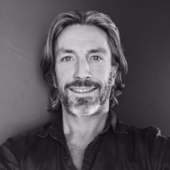
Anxiety
Dr Paul Garden
Psychologist, Doctorate in Psychology, DPsych, MSc with Distinction, BSc First Class Honours.
Experiences of Anxiety, fear and worry can range from being distracting to completely overwhelming, leaving you feeling paralysed and unable to engage with life. I have spent most of my career specialising in treating debilitating anxiety.
11 Years Experience
Online in Chepstow, Wales

Anxiety
Nicole Rolls
Counsellor/Therapist, PG Dip, MA, BACP Accred, EMDR Accred, 20 years experience as a Therapist
I trust that I can work with you and help you overcome your anxiety and fears that are struggling with at the moment, supporting you with the help of Mindfulness, CBT, Exposure, Therapy) Psychodynamics and EMDR so that you can move forward in your life as a free person.
21 Years Experience
Online in Chepstow, Wales

Anxiety
Emma Dean
Therapist, MA Hons, DipCaH, PNLP
I'm Emma, an integrative transpersonal practitioner dedicated to guiding you on a journey of self-discovery and healing. Through a blend of hypnotherapy, breathwork, meditation, Acceptance and Commitment Therapy (ACT), Neurolinguistic Programming (NLP), Emotional Freedom Technique (EFT), and spiritual coaching, I create a compassionate safe space for you to reconnect with your innate wisdom. I have helped empower hundreds of clients to overcome anxiety, fears and phobias and find freedom that they previously thought would be impossible. You have everything that you need to live the life you want to live, I just help you to access the inner resources that you already possess. Anxiety can feel overwhelming and all-consuming, but you don’t have to navigate it alone. I help you explore the roots of fear and gently unravel limiting beliefs. Together, we create a safe, grounded space where you can build resilience and reclaim calm. My work empowers you to meet life with greater confidence, trust, and emotional freedom.
4 Years Experience
Online in Chepstow, Wales
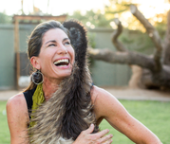
Anxiety
Sumer Statler Aeed
Psychologist, Licensed Psychologist
Fear while a fundamental human healthy response, often in our culture and times become instead something that becomes a stopper instead of a warning system in our lives. Learning to manage and use your central nervous system in ways that serve you, to respond instead of react, allow you to reduce and manage fears and allows them to go back to being a warning system instead of driving your life. We select and try on for you from a combination of CBT, somatic work, breathwork and Central Nervous System work and others. This allows you to have a unique system for you to manage fear and return to a balance of how your body's system is meant to be.
27 Years Experience
Online in Chepstow, Wales (Online Only)
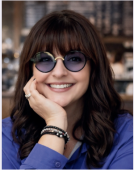
Anxiety
Dr Jody Eiser
Therapist, Doctorate in Psychology
Anxiety is often a signal of a system that has learned to stay alert in order to feel safe. My work focuses on understanding these adaptive responses through a trauma-informed lens and a focus on trauma endurance. Together, we explore the patterns beneath the anxiety, creating space for greater regulation, safety, and sustainable change.
0 Years Experience
Online in Chepstow, Wales

Anxiety
Jonathan Livingstone Therapy & Coaching
Psychologist, MSc, MA, PGCE, GMBPsS
Anxiety or fear, where it is not appropriate in present circumstances, derives from the past and can be overcome when its origins are correctly identified. The need for approval underlies much anxiety. I will help you to identify the causes of the anxiety in your biography and resolve them, so that you no longer feel anxious.
28 Years Experience
Online in Chepstow, Wales

Anxiety
Irene Valis
Registered Psychotherapist, PACFA certified Gestalt therapist, Counsellor, Life Coach
I know first hand how anxiety or unprocessed fears can show up in our body and our mind - overthinking, imaging worst-case scenarios, heart racing. It can feel like sensations in our body are turned up full volume and as if everything else feels very far away and out of reach; it can be quite a destabilising and isolating experience. But it doesn´t have to be.
Through support and training, I have learned to regulate and resource myself in times of worry and panic, to the point that I am hardly ever activated, and when I am, I know how to ride the wave with confidence and ease.
I now pass on these practices with my clients who experience great relief from being able to brave the elements when their anxiety storm arises, empowering them to the point that the frequency, duration and intensity significantly reduces and they finally feel a sense of peace and calm within themselves again.
5 Years Experience
Online in Chepstow, Wales

Anxiety
Jade at We Tackle Trauma
Counsellor/Therapist, MAASW, MSW, QTS, BSc (Hons)
I combine lived experience of overcoming anxiety, with training in developmental, relational, and embodied trauma. Work with me if you believe that anxiety is not just in your head, and if you are looking for a warm approach that considers your experiences as a whole person, how the body can internalise anxiety; and how to address this. Consults are free and instantly bookable on the We Tackle Trauma website, I look forward to meeting you- Jade Evelyn Gayle
20 Years Experience
Online in Chepstow, Wales
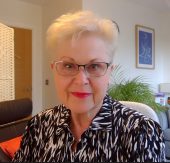
Anxiety
Mandy Randall-Gavin MBACP, UKATA
Counsellor/Therapist, BA Hons, Dip TA Prac: UKATA
Talking about anxiety in therapy may initially feel overwhelming, but it is vital for your mental health journey. Identifying your specific concerns, including symptoms and triggers, is essential for effective management of anxiety. By openly discussing these elements with me, we can work together to develop strategies that will support you throughout the therapeutic process.
14 Years Experience
Online in Chepstow, Wales

Anxiety
Patchouli Therapy
Counsellor/Therapist, Prof. Adv. Dip. PC, Dip. Hyp, Dip. CBT/REBT, Dip. EFT, Dip. SBA, MA Psychosynthesis Psychology
I am a Psycho-Spiritual Counsellor offering bespoke services using a combination of holistic and complementary intervention to help tackle anxieties and fears utilising a combination of hypnosis and meditation by addressing your physical and psychological responses that triggered the threat system into hyperactivity.
13 Years Experience
Online in Chepstow, Wales (Online Only)

Anxiety
Valentina Olper
Therapist, MSc
Anxiety is often a messenger from the somatic self signalling a lack of safety. Together, we decode these signals, using psychoanalytic depth and sound therapy to transform chaos into stability. We dissolve the blocks to your peace, allowing you to stand in your intrinsic power.
10 Years Experience
Online in Chepstow, Wales

Anxiety
Kylie Feller
Licensed Professional Counsellor, MA, CCC
Anxiety isn’t who you are—it’s a part of you trying to keep you safe.
If you’re feeling overwhelmed by racing thoughts, constant worry, or fear that won’t let go, it can be exhausting. Anxiety often comes from parts of us that learned to stay hyper-alert to avoid pain or danger. Through Internal Family Systems (IFS) and somatic practices like TRE, I help you gently connect with these protective parts and the deeper wounds they may be guarding. Together, we’ll create space for calm, clarity, and a deeper sense of internal safety—so you can move through life with more ease and trust.
10 Years Experience
Online in Chepstow, Wales (Online Only)

Anxiety
Tayo, Owosina
Registered Psychotherapist, Registered Professional Counsellor
What are your fears? What is the core trigger of your anxiety? Let's talk about anything and everything! In this safe, non judgmental place, you wid yoll be fully heard, accepted and respected. We are holding space for you right here. Let's talk about it.
16 Years Experience
Online in Chepstow, Wales

Anxiety
Anjali P.
Registered Psychotherapist, MA in Person-Centred Experiential Counselling, Registered Member MBACP- 408062
Anxiety can show up in many different ways, from persistent worry and overthinking to panic, self-doubt, difficulty relaxing, or a constant sense of being on edge. While anxiety can feel overwhelming, it often develops for understandable reasons and may be connected to past experiences, relationships, responsibilities, or ways of coping that have become stretched beyond their limits. Together, we can explore what may be contributing to your anxiety, develop a deeper understanding of your emotional experience, and build practical ways of responding that support greater confidence, calm, and self-trust.
4 Years Experience
Online in Chepstow, Wales (Online Only)

Anxiety
Lavinia May
Counsellor/Therapist, MNCPS (Acc.)
Hi, I'm Lavinia May, Psychotherapist & Life Coach | 14+ Years Experience.
I believe everyone has the potential to create meaningful change - sometimes you just need the right support to get there. With over a decade of experience helping individuals and couples heal, grow, and thrive, I offer a compassionate, results-driven approach tailored to your unique journey.
I specialise in:
Relationship therapy and couples counselling
Anxiety, stress, and emotional overwhelm
Personal growth and life transitions
Communication and conflict resolution
Healing from past trauma and emotional wounds
Building confidence and self-worth
Whether you're seeking deeper connection in your relationships, tools to overcome life's hurdles, or simply a safe space to be heard, I'm here to walk alongside you every step of the way.
12 Years Experience
Online in Chepstow, Wales

Anxiety
Anna Dafna
Psychologist, MEd, BEd, QTS, GMBPsS, ADHD & Executive Function Coach Accred, Leadership, Somatic & Polyvagal Cert
Anxiety, Fear & Emotional Overwhelm - Complimentary Consultation
Do you often feel weighed down by anxiety or persistent mental tension?
For many people with ADHD and other forms of neurodivergence, anxiety develops as the mind tries to manage overwhelm, uncertainty and constant mental activity.
Together we explore the connection between attention, emotions and the nervous system, and develop practical ways to regulate anxiety, regain emotional balance and respond to challenges with greater clarity and confidence.
Using a neuroscience-informed and strengths-based approach, I help clients build healthier emotional patterns so anxiety no longer drives their decisions or limits their life.
Book a complimentary consultation to explore whether this approach is right for you.
24 Years Experience
Online in Chepstow, Wales
Anxiety
Sara Aicart-Pendlebury
Art Therapist, Human Givens Practitioner (HG.Dip.P), Member of Human Givens Institute, IFS therapist Levels 1&2, Narm Practitioner
Anxiety can be crippling and obvious. Or it can subtly sabotage our plans. Contact me for a free consultation on recognizing your feelings of anxiety, and applying anxiety management techniques. You are not an anxious person: you are person more susceptible to anxiety – but you can learn to hand it. We all need to experience some degree of anxiety at times – it would be unnatural not to feel any of its symptoms, such as racing pulse, dry mouth, sweatiness and shallow breathing, just before a big speech or exam, for instance – as it helps get us motivated to act. But excessive anxiety causes problems. Excessive anxiety may develop gradually, starting, perhaps, with loneliness after the loss of a loved one; being too shy to make new friends when moving somewhere new; experiencing unwelcome life changes because of chronic illness and pain; or feeling loaded down with too much responsibility – all cases of unmet emotional needs.
When people worry excessively, it is in essence because important emotional needs, such as for safety, connection or status, are not being met. That’s why the human givens approach, which focuses on helping people in distress find healthy ways to meet their emotional needs, is so effective.
For some people, anxiety can develop suddenly, after they are caught up in some tragic disaster, such as a fire or a crash, or are the victims of violence, and their lives become ruled by fear. (This is known as post-traumatic stress.) Anxiety may also take the form of obsessions, compulsions, phobias or a nagging feeling of foreboding – all of which are attempts to ward off a sense of threat.
Yet, as we know, some people face such circumstances without becoming overly anxious, while others end up almost crippled by anxiety. How we explain the negative events that happen to us has a considerable bearing on whether we are likely to suffer from excessive anxiety. Three particular types of thinking are especially connected with its development and its close partner, depression: how personally people take events (they think everything is their fault or that they didn’t get the job because they weren’t good enough, rather than because the competition was particularly stiff); how pervasive they think the effects will be (if they lose their job, they think everything in their world is going wrong, even though their relationship is still strong and they have their health, good friends, etc); and how permanent(they will never get another job, partner, dream house like that one, etc).
People who suffer badly from anxiety also tend to have a lot of negative thoughts running through their minds that they don’t even notice (“I’ll never cope”; “it’s going to be awful”; “no one likes me”) and commonly catastrophise (“I’m going to be late. My boss will sack me!”) Changing negative self-talk and challenging catastrophic thinking help lower stress levels.
Another major cause of troublesome anxiety is negative over-imagination. Anxious people tend to spend a lot of time worrying “What if?”, coming up with a whole variety of dreadful outcomes for themselves or their loved ones. This keeps them in a constant state of high emotional arousal and can take the extreme forms of phobias or obsessive-compulsive disorders. Learning to use the imagination positively – by calmly rehearsing mentally tried and tested techniques (such as deep breathing and distracting thoughts) for dealing with feared or worrisome situations – is very effective. Calming ourselves down, when anxious, is extremely important because high emotional arousal makes us stupid. We literally can’t think straight and that makes the situation worse.
Human givens practitioners can show people how to relax, so that they can bring their own arousal and stress levels down, and how to use their imaginations positively, to rehearse successful outcomes instead of bad ones. They can also help people overcome phobias, panic attacks and traumatic memories quickly and painlessly. And, very importantly, they will encourage people to find ways to reduce their stress and also focus outwards on fulfilling activities (maybe involving the wellbeing of others as well as themselves) – excellent ways of getting their own needs met.
17 Years Experience
Online in Chepstow, Wales
Anxiety therapists in Chepstow, Wales, United Kingdom Statistics
Anxiety therapists in Chepstow, Wales, United Kingdom average 14 years of experience and charge around ¤118 per session. 100% offer online sessions. The most commonly treated issues are Anxiety or Fears (100%), Depression (79%), and Self Esteem (76%).
Average years in practice
14 Years Experience
Average cost per session
¤118
Gender ID
| 70% |
Female |
|
| 28% |
Male |
|
| 1% |
Non-Binary |
|
| 1% |
Gender Fluid |
|
Session Type
| 60% |
In Person and Online |
|
| 40% |
Online Only |
|
Top Specialties
| 100% | Anxiety or Fears |
| 79% | Depression |
| 76% | Self Esteem |
| 70% | Stress |
| 62% | Trauma and PTSD |
| 58% | Social Anxiety |
| 56% | Loss or Grief |