Online Social Anxiety therapists in Nantwich, England ENG, United Kingdom UK
We are proud to feature top rated online Social Anxiety therapists in Nantwich. We encourage you to review each profile to find your best match.

Social Anxiety
Brittany Statler, Intuitive Wellness Therapy Group
Licensed Clinical Social Worker, LCSW
Headline: Beyond the "Polite Mask": Finding Genuine Connection in a World of Over-Control
The Loneliness of Always Being "On"
Do you find yourself meticulously managing how you come across to others or changing yourself to adapt to everyone in the room? For many high-achievers, social anxiety doesn’t look like shaking hands; it looks like a "polite mask," a rigid adherence to social rules, and an exhausting internal monologue that critiques every word you say. You may be highly successful and well-liked, yet you feel deeply disconnected and "on the outside" of your own life.
My Approach: Radically Open DBT (RO-DBT)
I specialize in a unique, evidence-based approach called Radically Open Dialectical Behavioral Therapy (RO-DBT). Unlike traditional therapies that teach you more self-control, RO-DBT is designed for those who already have too much of it. We focus on the "biological" side of social signaling to help you feel safe enough to be seen.
Together, we will target the roots of social isolation by:
Fostering Radical Openness: Learning to drop the shield of perfectionism and lean into the "messy" beauty of unfiltered human feedback.
Building Flexibility: Breaking the rigid "shoulds" that dictate how you interact, allowing you to be spontaneous and authentic in real-time.
Enhancing Social Signaling: Learning how to use your body and voice to signal safety and warmth, which naturally invites deeper, more rewarding connections.
20 Years Experience
Online in Nantwich, ENG (Online Only)

Social Anxiety
Samantha Coleman
Therapist, MBACP Prof Dip
Social anxiety can make everyday interactions feel stressful, exposing, or overwhelming. You may fear being judged, rejected, misunderstood, embarrassed, or seen in the wrong way. My approach is warm, thoughtful, and focused on understanding what lies underneath these fears rather than judging them. Together, we can explore the deeper patterns driving your anxiety and help you build greater confidence and ease in how you relate to other people.
13 Years Experience
Online in Nantwich, ENG

Social Anxiety
Leonie M Dippenaar
Counsellor/Therapist, (BWRT) Master Coach, (CHT )Certified Hypnotherapist (EPP) Ethno Psychology Practitioner
GAD and Social Anxiety- learn coping tools
18 Years Experience
Online in Nantwich, ENG (Online Only)

Social Anxiety
Saffron Marriner
Counsellor/Therapist, MBACP (Accred)
An integrative humanistic and trauma informed counselling approach offers a compassionate and comprehensive method to address social anxiety, fostering healing and empowerment for those affected. The roots of social anxiety can be multifaceted, involving genetic predispositions, environmental factors and post traumatic experiences. Humanistic counselling encourages you to develop self-awareness and self-compassion. Through reflective exercises and mindfulness practices, you can gain insight into your thought patterns and emotional responses. This self understanding fosters a more compassionate relationship with yourself, reducing self criticism and enhancing self esteem. An integrative approach will equip you with practical coping strategies to manage social anxiety. Techniques such as progressive muscle relaxation and grounding exercises can help clients regulate their physiological responses to anxiety. Cognitive restructuring and exposure therapy can also be employed to challenge and reframe negative thought patterns and gradually desensitise you to feared social situations. We will collaborate to set achievable goals and celebrate progress. By fostering a sense of agency and self-efficacy, you are encouraged to take an active role in your healing journey. By combining the principles of empathy, validation and empowerment, the approach that I use can help you navigate your anxieties.
22 Years Experience
Online in Nantwich, ENG
Social Anxiety
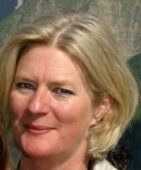
Sara Aicart-Pendlebury
Art Therapist, Human Givens Practitioner (HG.Dip.P), Member of Human Givens Institute, IFS therapist Levels 1&2, Narm Practitioner
We all need to experience some degree of anxiety at times – it would be unnatural not to feel any of its symptoms, such as racing pulse, dry mouth, sweatiness and shallow breathing, just before a big speech or exam, for instance – as it helps get us motivated to act. But excessive anxiety causes problems. Excessive anxiety may develop gradually, starting, perhaps, with loneliness after the loss of a loved one; being too shy to make new friends when moving somewhere new; experiencing unwelcome life changes because of chronic illness and pain; or feeling loaded down with too much responsibility – all cases of unmet emotional needs.
When people worry excessively, it is in essence because important emotional needs, such as for safety, connection or status, are not being met. That’s why the human givens approach, which focuses on helping people in distress find healthy ways to meet their emotional needs, is so effective.
For some people, anxiety can develop suddenly, after they are caught up in some tragic disaster, such as a fire or a crash, or are the victims of violence, and their lives become ruled by fear. (This is known as post-traumatic stress.) Anxiety may also take the form of obsessions, compulsions, phobias or a nagging feeling of foreboding – all of which are attempts to ward off a sense of threat.
Yet, as we know, some people face such circumstances without becoming overly anxious, while others end up almost crippled by anxiety. How we explain the negative events that happen to us has a considerable bearing on whether we are likely to suffer from excessive anxiety. Three particular types of thinking are especially connected with its development and its close partner, depression: how personally people take events (they think everything is their fault or that they didn’t get the job because they weren’t good enough, rather than because the competition was particularly stiff); how pervasive they think the effects will be (if they lose their job, they think everything in their world is going wrong, even though their relationship is still strong and they have their health, good friends, etc); and how permanent(they will never get another job, partner, dream house like that one, etc).
People who suffer badly from anxiety also tend to have a lot of negative thoughts running through their minds that they don’t even notice (“I’ll never cope”; “it’s going to be awful”; “no one likes me”) and commonly catastrophise (“I’m going to be late. My boss will sack me!”) Changing negative self-talk and challenging catastrophic thinking help lower stress levels.
Another major cause of troublesome anxiety is negative over-imagination. Anxious people tend to spend a lot of time worrying “What if?”, coming up with a whole variety of dreadful outcomes for themselves or their loved ones. This keeps them in a constant state of high emotional arousal and can take the extreme forms of phobias or obsessive-compulsive disorders. Learning to use the imagination positively – by calmly rehearsing mentally tried and tested techniques (such as deep breathing and distracting thoughts) for dealing with feared or worrisome situations – is very effective. Calming ourselves down, when anxious, is extremely important because high emotional arousal makes us stupid. We literally can’t think straight and that makes the situation worse.
Human givens practitioners can show people how to relax, so that they can bring their own arousal and stress levels down, and how to use their imaginations positively, to rehearse successful outcomes instead of bad ones. They can also help people overcome phobias, panic attacks and traumatic memories quickly and painlessly. And, very importantly, they will encourage people to find ways to reduce their stress and also focus outwards on fulfilling activities (maybe involving the wellbeing of others as well as themselves) – excellent ways of getting their own needs met.
17 Years Experience
Online in Nantwich, ENG

Social Anxiety
Eric C Bettelheim
Registered Psychotherapist, PhD, MSc., J.D., M.A. A.B. Member: BACP, BPC.
Social anxiety is often related to feelings of shame which developed early in life and can be relieved by putting these feelings into a different context.
4 Years Experience
Online in Nantwich, ENG

Social Anxiety
Peter Dutton
Registered Psychotherapist, Psychotherapist, Life Coach, Sports Performance Psychologist. Registered BACP Member
I will help you to understand what social anxiety is for you, the triggers, and ways of managing it
14 Years Experience
Online in Nantwich, ENG

Social Anxiety
Beth Jackson Counselling and Coaching
Counsellor/Therapist, BA (hons), Diploma in Therapeutic Counselling
Anxiety is the number one reason that most of my clients come to work with me - and I can help. Social anxiety, in particular can be a terrifying and lonely place to be. Together, we can find strategies that you are using that do or don't work as well as discovering new ones that can make an enormous difference in your day to day life. Working on this in a step by step approach can help you see things slowly but definitely change.
7 Years Experience
Online in Nantwich, ENG
Social Anxiety
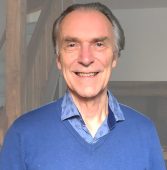
Sudeva Hawkes
Registered Psychotherapist, Registered Clinical Counsellor, B.Couns., MNCPS Accred. , PACFA Reg.
Social Anxiety is perhaps just a complicated way to say you feel uncomfortable around people. It's a pretty common phenomenon, but for some of us it gets out of hand. Fortunately, there are ways to meet it and we can explore some of them and find out what works for you.
29 Years Experience
Online in Nantwich, ENG (Online Only)

Social Anxiety
Rachel Bates
Registered Psychotherapist, M Phil - Counselling & Psychotherapy; M A Psychology
Social anxiety is also referred to as social phobia which simply means you are extremely self conscious and overwhelmed by what others may think of you in social situaitons. This may leave you fixated about those looking at you, as being judgemental and feeling embarrassed and ridiculed.
21 Years Experience
Online in Nantwich, ENG

Social Anxiety
Jayne Batten
Counsellor/Therapist, MSc, CT, MPCC, MBACP
I help clients with social anxiety by gently unpacking the fear of judgment, rejection, or humiliation that can make everyday interactions feel overwhelming. While social anxiety can be part of generalized anxiety disorder (GAD), it’s also often a natural response for neurodivergent individuals navigating a world not designed for their communication styles or sensory needs. Therapy focuses on building self-compassion, developing coping strategies, and supporting clients in expressing themselves authentically while gradually expanding their sense of safety in social spaces.
8 Years Experience
Online in Nantwich, ENG

Social Anxiety
Dr. Antonio D'Costa
Registered Psychotherapist, M.B.B.S, M.D. (Paediatrics)
I specialize in pediatric medicine and trauma-focused therapy using EMDR (Eye Movement Desensitization and Reprocessing). My work centers on supporting children, adolescents, and adults through grief, anxiety, behavioral challenges, and the lingering effects of difficult experiences.
As a pediatrician, I've seen how unprocessed trauma shows up in young lives- through sleep troubles, feeding issues, social withdrawal, and emotional struggles. EMDR offers a gentle, research-backed path to healing that goes beyond words.
With EMDRIA-approved training and my pediatric experience, I help families navigate some of their most challenging moments. Whether it's a child struggling with grief, an adolescent facing anxiety, or an adult working through long-held wounds, my approach blends medical expertise with compassionate, evidence-based care.
I'm passionate about making mental health support accessible- offering teletherapy across India and internationally, with subsidized sessions available for those who need them.
Let's connect if you're looking for trauma-informed support, professional collaboration, or referrals for children and families in need.
3 Years Experience
Online in Nantwich, ENG (Online Only)

Social Anxiety
Marianna Trezza -The Growing mindset
Counsellor/Therapist, MA (Hons), Adv Dip. Counsel. & Psychoth.,Dip. Hypnoth., X-Cultural Adaptation Coun. Reg. BACP 572613
For many women living abroad, social anxiety is not simply about shyness or lack of confidence.
Sometimes it develops slowly after years of constantly adapting between languages, cultures, expectations and different versions of oneself.
Many Italian women living abroad become highly skilled at monitoring themselves socially:
how they sound,
how they are perceived,
whether they are “too much”,
too emotional,
too foreign,
too different.
Over time, this constant self-monitoring can leave the nervous system in a subtle but chronic state of alertness.
Even simple social situations may begin to feel emotionally exhausting.
Not necessarily because a woman lacks social skills, but because some part of her body has learned that belonging often depends on careful adaptation.
I work especially with women who feel fragmented between cultures and identities, and who long to feel more relaxed, authentic and emotionally safe in relationships and social spaces.
My approach is warm, reflective and nervous-system-informed, integrating psychotherapy, hypnotherapy, embodiment, nature-based practices and emotional regulation work to help women reconnect with a deeper sense of ease, self-trust and belonging.
23 Years Experience
Online in Nantwich, ENG
Social Anxiety
Empowered Wellbeing, Decolonizing Intersectional and Integrative Complex Trauma & Dissociation Recovery Support
Life Coach, view my credentials online at: www.recoveringfromwithin.com/credentialslongform
Social Anxiety and Social Anorexia cases have had documented increase with lower practice of intimacy in our current culture. In addition, social isolation registers in the same part of the brain that processes pain and we are biological beings that need social engagement for health and stasis. CPTSD and intensive health needs can contribute to a sense of growing isolation or challenges with over stimulation, limiting social interactions. There could be grief due to that or ease if it aligns with a neurobiology that doesn't prefer social interactions in person. There are many creative ways to connect these days. Utilizing Havening, Brainspotting, Polyvagal Theory, Safe and Sound Protocol, IFS, Attachment Theory, and optionally Energy Work to address adrenal fatigue, clients may stretching into experiences of more social engagement and working through trauma or anxiety along the way. This work combines a sensitive understanding of social systems and the pressures that come with adapting to them. Additionally, clients can gain safe practice with communication utilizing NVC and other communication and relationship models.
15 Years Experience
Online in Nantwich, ENG (Online Only)
Social Anxiety
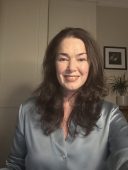
Janine & ComposurePsychology Team
Psychologist, Chartered Clinical Psychologist, HCPC & BPS registered, DClinPsy, CSAccred.(AAC), MPhil (cantab)
All of our Clinical Psychologists at ComposurePsychology are highly experienced in helping people understand, manage and overcome social anxiety, fears, nervousness, worry and panic. We draw from evidence based therapies including; CBT, ACT, CFT, SFT, DBT, EMDR, systemic, narrative, psychodynamic and others.
13 Years Experience
Online in Nantwich, ENG

Social Anxiety
Anjali P.
Registered Psychotherapist, MA in Person-Centred Experiential Counselling, Registered Member MBACP- 408062
Social anxiety can make everyday interactions feel exhausting, intimidating, or emotionally draining. You may worry about being judged, criticised, rejected, or getting something wrong, even when others do not see your struggle. Therapy can help you understand the roots of these fears, build self-confidence, and develop new ways of relating to yourself and others that feel less restricted by anxiety.
4 Years Experience
Online in Nantwich, ENG (Online Only)

Social Anxiety
Nicole Rolls
Counsellor/Therapist, PG Dip, MA, BACP Accred, EMDR Accred, 20 years experience as a Therapist
Even though we need connection in our lives, if may be difficult to feel confident in social situations. We will explore what led you to feel this way and find ways of developing Self confidence and Self esteem and to start re-engaging with the world.
People on the spectrum may find this particularly challenging: we will assess whether this could be the cause for disconnection and work with whatever you are presenting.
21 Years Experience
Online in Nantwich, ENG

Social Anxiety
Fiona Grace
Counsellor/Therapist, AdvDipCounselling &Pyschotherapy MBACP
Bognor Regis, Bristol, London, West Sussex Social Anxiety i have worked with many people with this condition and it can feel cripling when you have it. The world around you becomes frightening and overwhelming
20 Years Experience
Online in Nantwich, ENG

Social Anxiety
Jason Fletcher Hypnotherapy and Coaching
Hypnotherapist, FNCIP SQHP
Social anxiety work focuses on understanding fear of judgement, exposure, or rejection. I support people in building emotional stability and confidence in social situations. The aim is to reduce how limiting anxiety feels while maintaining a sense of safety and control.
23 Years Experience
Online in Nantwich, ENG

Social Anxiety
Adrian Sonnex, Wellbeing Hypnotherapy & Mindfulness
Therapist, DCH, DHP, MCH, MBCT, SQHP
We help many of our clients resolve / beat their social anxiety and other anxieties, such as performance anxiety and General Anxiety Disorder (GAD). We use a combination of Hypnotherapy and Mindfulness-based Stress Reduction for Anxiety. Let us help you now.
19 Years Experience
Online in Nantwich, ENG
Social Anxiety therapists in Nantwich, England, United Kingdom Statistics
Social Anxiety therapists in Nantwich, England, United Kingdom average 14 years of experience and charge around ¤112 per session. 100% offer online sessions. The most commonly treated issues are Social Anxiety (100%), Self Esteem (92%), and Anxiety or Fears (92%).
Average years in practice
14 Years Experience
Average cost per session
¤112
Gender ID
| 69% |
Female |
|
| 29% |
Male |
|
| 1% |
Non-Binary |
|
| 1% |
Gender Fluid |
|
Session Type
| 58% |
In Person and Online |
|
| 42% |
Online Only |
|
Top Specialties
| 100% | Social Anxiety |
| 92% | Self Esteem |
| 92% | Anxiety or Fears |
| 88% | Depression |
| 86% | Stress |
| 77% | Trauma and PTSD |
| 67% | Loss or Grief |