
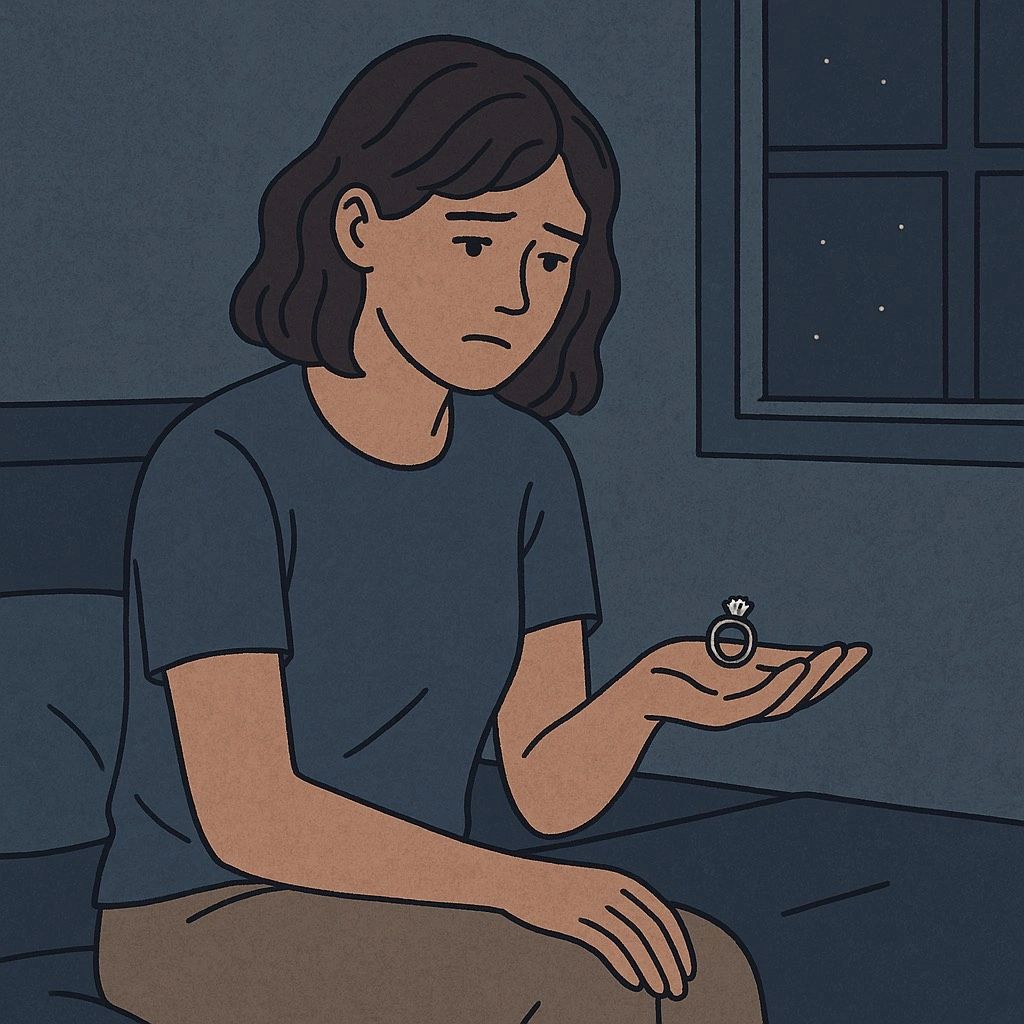
There’s a unique kind of heartache that doesn’t often get named—the pain of feeling unseen in a moment that was supposed to be joyful.
For many, an engagement or wedding marks not just a relationship milestone but a deeply vulnerable act of self-expression. It’s the announcement to the world: I’m loved. I choose love. I want to be witnessed in this.
But what happens when that moment is dismissed, minimized, or met with silence?
Whether it’s parents who change the subject, in-laws who fail to acknowledge the ring, or friends who don’t bother to celebrate, this absence can land not just as disappointment, but as grief. And for those with histories of childhood emotional neglect or complex relational trauma, the impact goes even deeper.
The Trauma of Being Uncelebrated
When we share joy, and it’s not mirrored back, it can trigger core wounds that say:
· “I’m not important.”
· “I’m not worthy of celebration.”
· “No one ever shows up for me.”
For individuals who grew up in families where emotions were minimized or ignored, these moments can unconsciously reawaken earlier experiences of invisibility. The wedding or engagement that should have felt like a beginning instead becomes a reenactment of abandonment.
You might find yourself overexplaining your decisions, walking on eggshells to avoid conflict, or feeling shame for wanting recognition in the first place. You might even feel embarrassed by your own sadness, as if the lack of celebration is your fault, or a sign that you don’t deserve joy or to take up space.
This is not just “being sensitive.” It’s a valid response to invalidation.
Emotional Neglect Doesn’t End in Childhood
Emotional neglect isn’t always loud. Often, it’s the quiet absence of being truly seen and valued. And when you reach for connection, especially in vulnerable moments, only to be met with distance or judgment, your nervous system reacts.
You may experience:
· Heightened anxiety
· Shame spirals
· Emotional numbing or shutdown
· Struggling to trust your partner or future in-laws can lead to distancing yourself from those you feel have not supported you, further isolating you.
These aren’t overreactions. They’re survival strategies are rooted in earlier experiences where shrinking was safer than being disappointed again.
Making Room for the Grief
Grieving a dismissal like this isn’t very easy. You’re mourning something that technically never happened—an unthrown engagement party, an unreturned call, a missed opportunity to be celebrated. But just because the loss is intangible doesn’t make it any less real.
You’re allowed to grieve what you didn’t receive.
You’re allowed to feel hurt by silence.
You’re allowed to want to be celebrated—and still be whole if you weren’t.
Moving Through, Not Around It
If this resonates with you, consider these gentle steps:
1. Name the Loss
Call it what it is. Minimizing it won’t make it go away. Grief needs a name to move.
2. Locate the Younger Part of You
This pain may not just be about now. It may echo a younger version of you who also longed to be seen. Tending to her with compassion is part of the healing.
3. Reclaim Your Right to Joy
Host the celebration that you wish someone else would plan. Wear the dress. Take the photos. Create rituals of honouring—not for others, but for yourself. I understand it can be frightening to put yourself in a risky situation again, but celebrate in a way that acknowledges your love story, even if it means meeting your need for safety (see #4).
4. Choose Who Gets Access
Not everyone deserves to bear witness to your most tender moments. Protect your joy. Could you let in only those who can hold it with care?
You Deserve to Be Seen
At Sadhana Therapy, I help individuals deal with the complex pain of relational trauma, particularly when current experiences trigger past wounds. Often, we may not understand why we feel so intensely affected. However, through therapy, we learn to better understand our emotional experiences by connecting our past to its influence on our present as adults.