
I often hear clients with complex trauma and borderline personality disorder (BPD) describe feeling “too much.” In therapy, we explore what this means, how they interpret it, and how their past may have shaped this perception of human distress—a struggle to regulate their inner world. Although being “too much” can be linked to invalidation, rejection, or neglect, we rarely discuss the deeper intersectionality behind these statements.
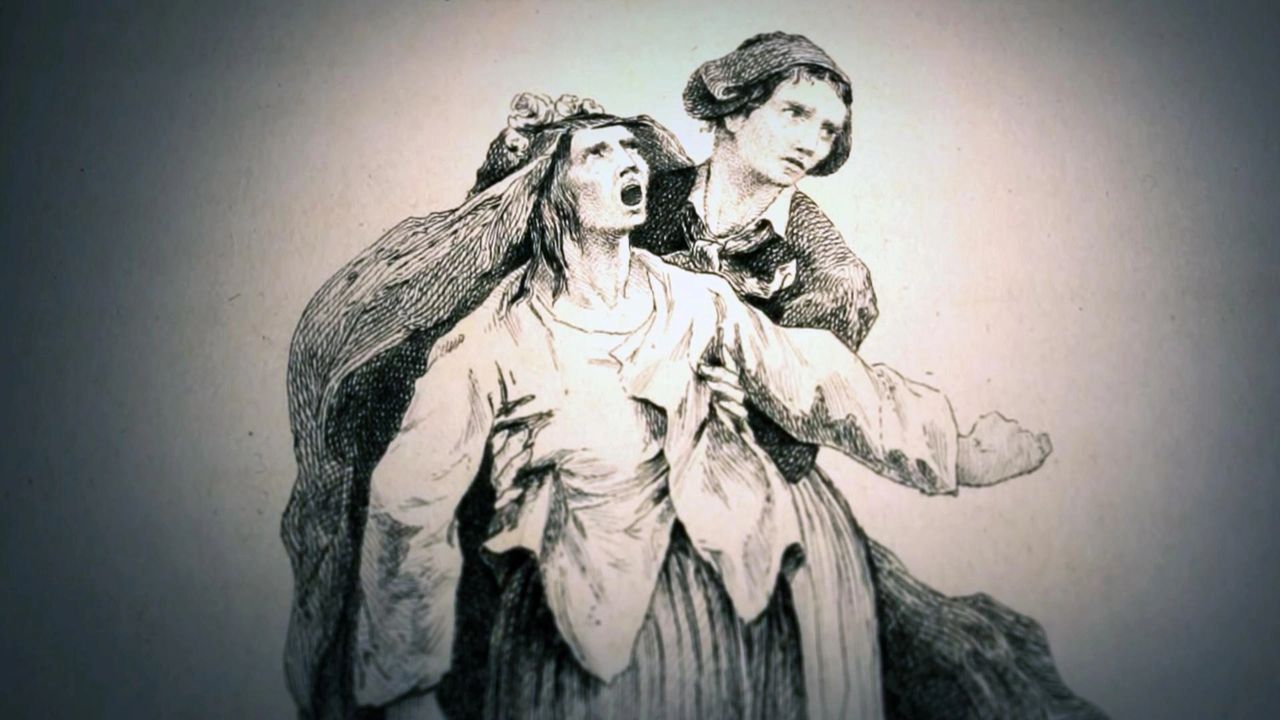
Historically, hysteria has been the earliest mental health diagnosis associated with women, dating back to 1900 BC. Its symptoms and treatments have evolved alongside changing views of women’s roles and value. Rooted in female sexuality—or the perceived lack of it—society’s view of the disorder was based on the idea that women’s bodies were inferior. This perspective is tied to Aristotelian ideas of male superiority, exemplified by St. Thomas Aquinas (1225–1274), who called women “a failed version of a man.” During those times, hysteria was believed to stem from a lack of motherhood or conception, manifesting as emotional outbursts, histrionic behaviour (attention-seeking or overly “dramatic”), and irritability. Freud later shifted the understanding, suggesting hysteria was caused by a lack of “libidinal evolution” (laying groundwork for the Oedipal conflict), asserting that conception and motherhood were consequences, not causes, of the disorder. Freud’s view moved away from seeing hysteria as a deficiency of the male body to linking it with the capacity for mature relationships, sexual inhibition issues, and unresolved conflicts between conscious and unconscious states. He noted, “Their superego is never so inexorable, so impersonal, so independent of its emotional origins…they show less sense of justice than men, that they are less ready to submit to the great exigencies of life, that they are more often influenced in their judgements by feelings of affection or hostility” (Freud, 1925, pp. 257-258). Consequently, those diagnosed with hysteria were blamed for their psychological issues, seen as lacking or incapable—a stigma that persists today in female-centric mental health diagnoses like BPD. BPD is often perceived negatively, with stereotypes painting women as “unhinged,” “too much,” or a burden to be avoided. This maintains a cycle where patriarchy and gender inequality’s impact on women’s mental health are ignored, and damaging narratives continue to hinder progress in women’s healthcare.
In working with clients diagnosed with BPD, I’ve noticed they share one common trait: a profound lack of self-validation. They blame themselves for their suffering and daily struggles, often instinctively doing so because self-blame temporarily diminishes patriarchy’s grip. This can lead to self-destructive behaviours aimed at regaining a sense of control over suffering and shame.
So, I ask you: how much of your perception of your struggles is shaped by your personal history? And how much is influenced by the history of humankind?